 MLB2026-07-18
Red Sox's 14-2 Run Flips Their Deadline From Sellers to Buyers and Lifts the Fantasy Bats
By Verdexed MLB Desk
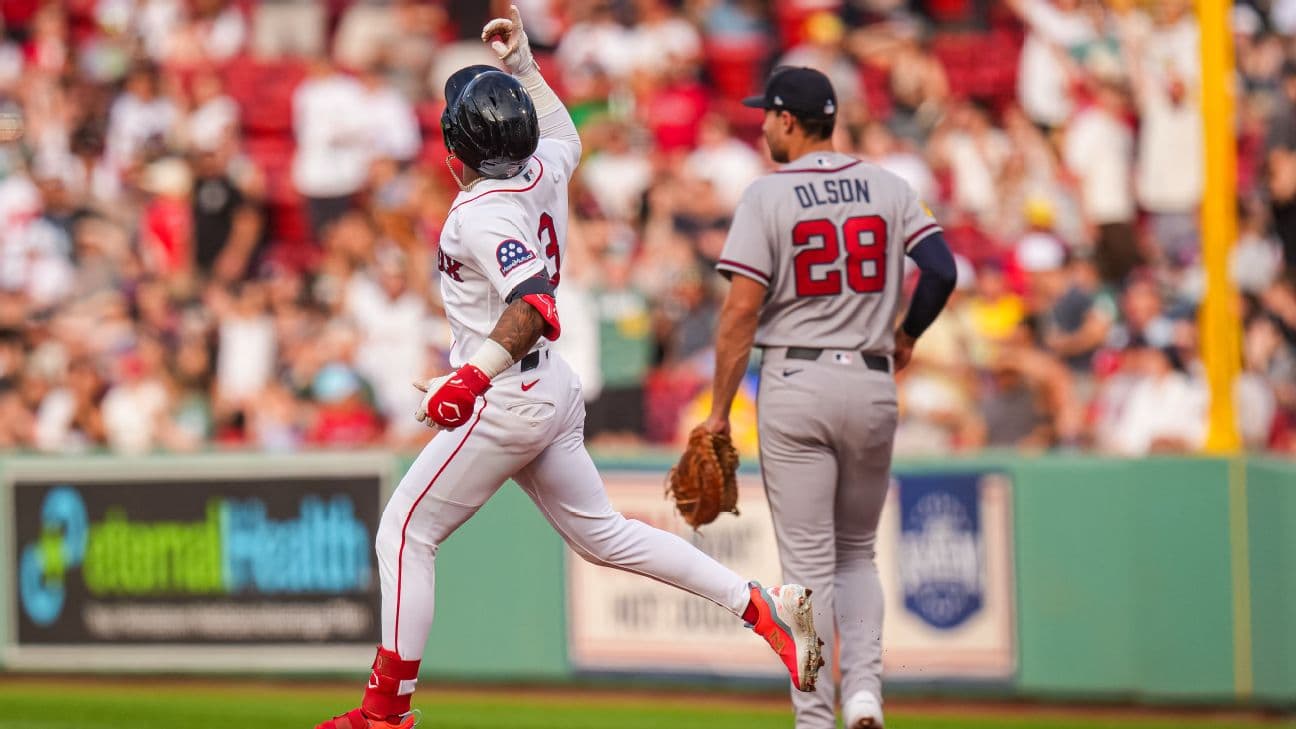
A month ago the Boston Red Sox looked like a team that might have to sell. Then they ripped off a 14-2 run into the All-Star break, including a long winning streak, and arrived at the second half a half-game out of the third AL wild card. That turnaround has reportedly turned Boston's deadline plans fluid, with a buy-side pivot now firmly on the table. For fantasy managers, a contending Red Sox team with playoff urgency is a very different lineup context than a selling one, and the ripple effects are worth getting ahead of.
The turnaround, by the numbers
The scale of the surge is what makes it credible. Boston posted the best record in baseball over a recent stretch, a 14-2 run that included a nine-game winning streak heading into the break. Team president and CEO Sam Kennedy had said in mid-June that unless things changed dramatically, the club might have to pivot away from being buyers. Thirteen days later, the hot streak began, and the calculus flipped. That timeline matters: this was not a slow, grinding climb but a sudden run that vaulted Boston back into the race and reset the front office's posture.
The standing reflects it. Boston sits roughly a half-game out of the third wild card in a tight AL picture where no team has clearly separated. That is exactly the position that turns a deadline from a sell into a buy, and reporting now describes the Red Sox as aggressively looking to add rather than subtract.
What they are shopping for
The reported target is a right-handed bat. Boston has been described as aggressively pursuing right-handed hitting to balance its lineup, along with the pitching depth every contender covets down the stretch. That shopping list is a tell for fantasy managers: a team adding a right-handed bat is signaling confidence in its incumbent hitters and a plan to deepen, not overhaul, the lineup.
The fantasy implication of a buy-side deadline is straightforward. Contending teams keep their productive regulars in the lineup every day, chase run environments that support counting stats, and add complementary pieces that lengthen the order. A selling team, by contrast, subtracts veterans and opens playing time for unproven youngsters, which creates volatility. Boston's pivot points toward stability for its established bats and, if they add as expected, a slightly deeper and more productive lineup for the players already there.
The fantasy fallout for Boston's hitters
The clearest beneficiaries are the Red Sox's established regulars, whose lineup security and run-scoring context improve when the team is winning and buying. A lineup that keeps winning games and adding pieces produces more runs, more RBI opportunities and more high-leverage at-bats, all of which lift the counting stats that decide fantasy categories. Managers who own Boston bats should feel more comfortable, not less, and managers looking for a buy-low or a trade target can point to the improved context as a reason the Red Sox hitters are undervalued if their names are being shopped in fantasy trades.
The player to watch is whoever a new right-handed addition would protect or displace. A lineup addition can lift the hitters around it by lengthening the order, but it can also cut into the playing time of a struggling regular. Track the specific move if and when it happens, because the fantasy winner is usually the hitter who gets more protection and the loser is the one who loses at-bats.
The betting angle
A buy-side Red Sox team changes Boston's second-half and playoff-odds markets. A club that surged into contention and plans to add is a different betting proposition than one contemplating a sell-off, and the wild-card and win-total numbers should reflect the improved outlook. Bettors who liked Boston before the run are chasing a worse price now, but the deadline itself is a live catalyst: a significant bat or arm added to the roster is the kind of concrete upgrade that can justify a second look at their playoff odds.
On the daily side, a winning lineup with a deeper order supports Boston team totals, particularly at home and against the right-handed pitching a new right-handed bat would punish. That is a spot to monitor once any addition is in place.
The Verdexed model take
Verdexed's model treats the Red Sox surge as a genuine change in their outlook rather than pure noise, while cautioning that a 14-2 run is an unsustainable pace that will regress. The model's second-half projection has Boston as a fringe-to-solid wild-card contender whose true talent is better than its early-season record suggested but not as good as its hottest stretch. For fantasy, the model raises the floor of Boston's established hitters on improved lineup security and run environment, and it flags any incoming right-handed bat as a potential upgrade to the middle of the order. The betting read is to respect the improved outlook without paying full freight for a number already moved by the streak.
What it means for your roster
Hold your Red Sox bats with more confidence: a buying, winning team is a friendlier fantasy context than a selling one. Target Boston hitters in trades if a leaguemate is still pricing them off the slow start. Watch the deadline for the right-handed bat the team is chasing, because the addition will create a specific fantasy winner and possibly a loser in the lineup. And keep the regression in mind: the surge was real enough to change the deadline, but the true-talent Red Sox are a contender on the margins, not a juggernaut.