 MLB2026-07-23
The 2026 Deadline Is a Pitching Market: A Fantasy Guide to Every Arm on the Move
By Verdexed Analytics
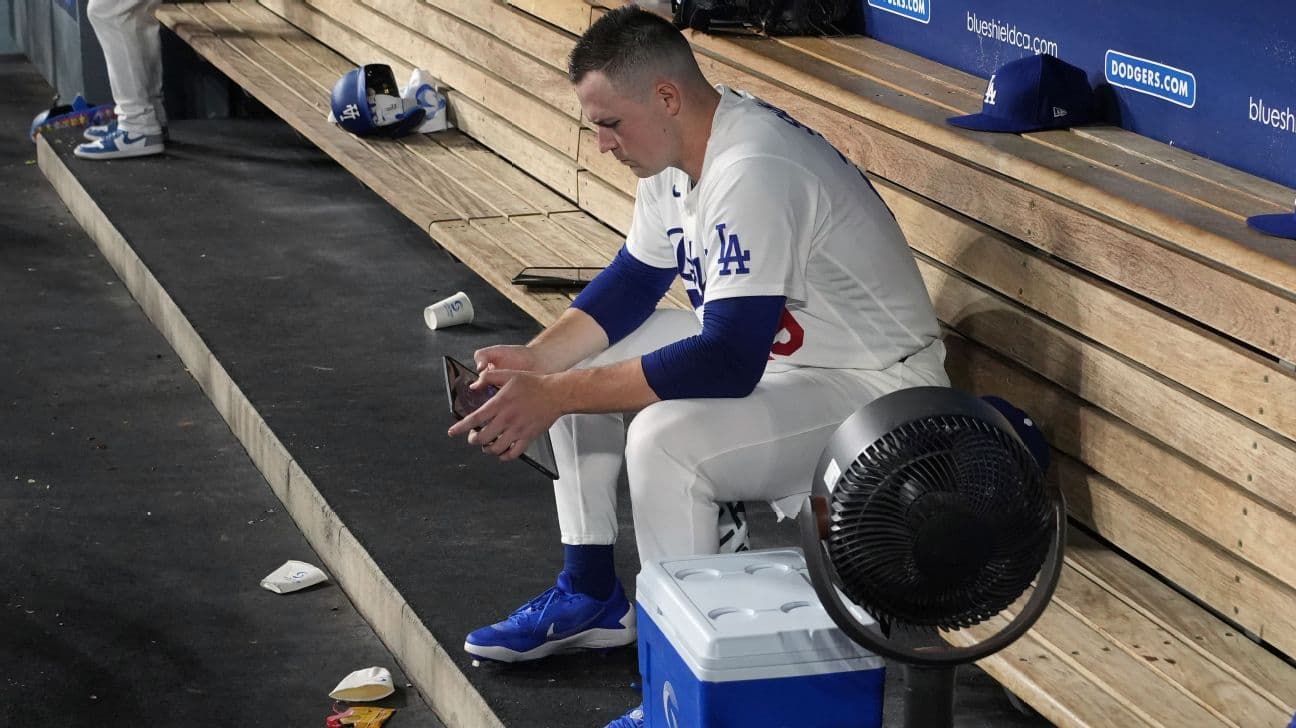
The 2026 MLB trade deadline is defined by one thing: starting pitching. With the market thin on sellers and heavy on contenders chasing October arms, the board of available starters runs unusually deep, and every move reshuffles fantasy value on both ends. For managers grinding a pennant race in their own leagues, understanding which arms are likely to move, and where, is the difference between a savvy buy-low and a stranded roster spot before the August 3 cutoff.
The headline name is Tarik Skubal. The reigning-caliber Tigers ace, back from a midseason procedure, is the most impactful starter realistically available, and reporting has consistently placed his odds of being dealt as high. A last-place Detroit team has every incentive to convert a controllable front-line arm into a prospect haul, and the contenders lined up behind him are the usual heavyweights.
The top of the board
Below Skubal, the available tier is genuinely deep. Names that have surfaced across reporting include Sandy Alcantara, though Miami now looks likely to keep him, along with rotation pieces from clubs sitting outside the race such as the Angels, Royals, and other sellers weighing controllable versus rental arms. The distinction matters: a rental changes only the current season's outlook, while a controllable starter alters dynasty value for years.
Contenders doing the buying are easy to identify. Reporting has tied the Dodgers, Braves, Phillies, and Yankees to the top of the pitching market, with a surprising White Sox club also in the buyer's column after an improbable first half. Each of those destinations carries a different fantasy multiplier, because win environment, ballpark, and catching all move a pitcher's ratios and win total once he changes teams.
How a trade changes fantasy value
The instinct to assume every pitcher improves on a contender is too simple. A move to a strong defense and a pitcher-friendly park can lift ratios, but a jump into a hitter's park or a tougher division can offset the win-total gains. The cleanest fantasy upgrades come when a starter leaves a losing team for a contender that also plays in a favorable run environment, because he gains wins and holds or improves his ERA and WHIP at the same time.
Skubal is the exception who improves almost anywhere, because his strikeout rate travels and a contender only adds wins to an already elite ratio profile. For the mid-board rental arms, the calculus is closer, and managers should not automatically bump a pitcher up their rankings simply because he landed with a good team. Check the park, the division, and the defense behind him before adjusting.
The seller-side ripple
Every starter who leaves opens a rotation spot on a rebuilding club, and those vacancies are where deep-league value hides. Rebuilding teams tend to promote younger arms into the newly open slots, creating streaming and dynasty targets that go unowned in shallow formats. The days immediately after the deadline are prime time to speculate on the next man up in a gutted rotation, especially against weak lineups.
There is also a subtraction effect for the pitchers left behind. When a contender adds a front-line starter, the arms already on that staff can see their leverage and matchups shift, and a bullpen reshaped by a deadline addition can alter save and hold distributions. Fantasy managers should re-map the back end of any staff that makes a significant addition.
Timing the streaming windows
The post-deadline calendar creates predictable streaming windows that reward preparation. Rebuilding teams that just sold often face a stretch of games against other non-contenders, which means their newly promoted arms draw softer matchups precisely when they are cheapest to acquire. Managers who identify those call-ups before the roles are official can lock in strikeout upside against weak lineups for the price of a waiver claim. The edge is not in knowing that pitching moves at the deadline; it is in being first to the arms that inherit innings afterward.
There is also a schedule component on the buying side. A contender that adds a front-line starter reshapes its rotation order, and the pitchers bumped back or pushed into different matchups see their streaming appeal shift. Reading a revamped rotation for favorable two-start weeks is a small but repeatable way to squeeze extra value out of the deadline's fallout. The board changes on August 3, and so does every affected team's optimal streaming plan.
The Verdexed model take
Verdexed's model separates skills from situation, projecting each available starter's strikeout, walk, and contact profile independently before layering in the destination's park, defense, and win environment. That two-step approach is what keeps the system from overreacting to a landing spot: Skubal grades as a difference-maker regardless of team, while several mid-board rentals barely move once the park and division adjustments are applied.
The model's clearest edge is on the seller side, where it flags the next-in-line arms most likely to inherit innings and pump up strikeout totals against soft post-deadline schedules. Those are the names to stash before the roles are announced, not after. For bettors, the system treats each pitching addition as a small but real bump to a contender's rest-of-season win total, with the size of the bump scaled to how many innings the new arm is projected to absorb.
What to do in your league
If you own Skubal, you own the deadline's biggest fantasy riser regardless of where he lands, so hold and enjoy the win-total bump. If you are shopping for pitching, target rental arms whose new homes offer a genuine park-and-defense upgrade, and fade the ones simply moving from one middling situation to another.
Most importantly, keep waiver cash and a roster spot in reserve for the post-deadline rotation vacancies on rebuilding clubs. Those are the cheapest sources of strikeouts on the calendar, and they reliably go undrafted. The deadline is a pitching market this year, which means the smartest fantasy moves will be made in the 72 hours after August 3, not before it.