 NFL2026-07-13
2026 Fantasy WR Tiers: Puka, Chase and JSN Anchor a Deep Top 12
By Verdexed Fantasy Desk
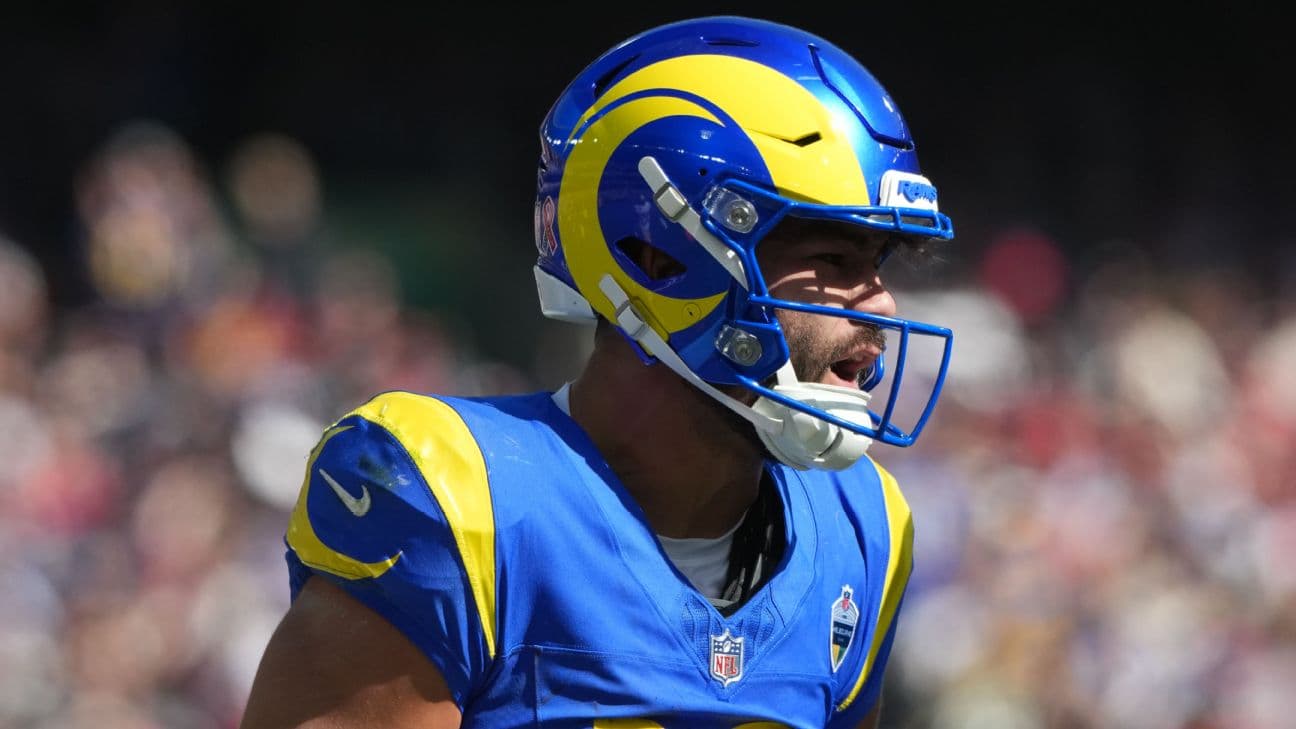
Wide receiver is the deepest and most valuable position on the 2026 fantasy board, and getting the tiers right is the difference between a championship roster and a good one. The elite group at the top is as strong as it has been in years, the middle is loaded with high-target WR2 types, and a few situational changes have reshaped individual outlooks. Here is how the position breaks down heading into drafts, along with the values and traps worth knowing before you are on the clock.
Tier 1: the anchors
The top of the board is a three-man conversation between Puka Nacua, Ja'Marr Chase, and Jaxon Smith-Njigba. Nacua earns the overall WR1 nod in several rankings on the strength of an elite receiving grade and a target share that ranks among the very best in the league when healthy. Chase remains firmly in the WR1 discussion after a dominant season in which he commanded north of a 30 percent target share, averaged nearly 90 receiving yards per game, and ranked among the league leaders in red-zone usage with a healthy Joe Burrow throwing him the ball. Smith-Njigba has climbed into this tier as a true alpha with the volume and efficiency to justify a first-round pick.
These three are the receivers worth building an entire draft strategy around. If you are picking at the top of the first round and prefer to anchor with a receiver rather than a running back, this is the group. All three offer the combination of target volume and quarterback stability that produces weekly WR1 finishes.
Tier 2: the high-floor WR1s
The next group includes Amon-Ra St. Brown, CeeDee Lamb, Malik Nabers, and Nico Collins. St. Brown is the model of consistency, a target hog in a high-volume passing game whose floor is among the safest at the position. Lamb offers the same blend of volume and ceiling. Nabers is a target monster whose ceiling is capped only by his offense's overall efficiency, and Collins is a big-play WR1 whose production climbs when he is on the field.
This tier is where managers who miss the top three can still land a foundational receiver. The gap between the bottom of Tier 1 and the top of Tier 2 is smaller than the draft cost suggests, which makes this group a source of value for managers who spend their first pick elsewhere.
Tier 3: the values and the bounce-backs
Rashee Rice, Drake London, A.J. Brown, Chris Olave, and Garrett Wilson populate the next tier, and this is where the draft-day value lives. Rice carries some risk but offers WR1 upside in a strong passing game. London is coming off a Falcons extension and profiles as a locked-in high-volume target. Brown is the clear No. 1 in a Patriots offense built around Drake Maye and projects as a top-10 fantasy receiver on target share alone. Olave is a high-floor WR2 with WR1 flashes, discounted for injury risk. Wilson remains a volume-driven producer worth his cost.
The standout situational note in this range is Justin Jefferson. Even during what was, by his standards, a down season, Jefferson still commanded an elite target share while poor quarterback play and brutal touchdown luck tanked his output. The arrival of Kyler Murray in Minnesota gives him a mobile, aggressive quarterback and a real chance to rebound into the elite tier where he has spent his entire career. Managers should treat Jefferson as one of the best values among first-round-caliber receivers, buying a proven alpha at a discount created by one bad, quarterback-driven season.
The Verdexed model take
Verdexed's projection set is built on target share, air yards, and offensive pace, and the model is bullish on the top of this position relative to running back. The tier structure above maps closely to the model's confidence bands: the three anchors have the narrowest ranges of outcomes, the Tier 2 group offers the best floor-to-cost ratio, and the Tier 3 bounce-back candidates carry the widest upside relative to their ADP.
Jefferson is the model's favorite value in the group. His underlying usage never dipped even as his fantasy points did, and the Murray addition addresses the exact input that suppressed his production. For bettors, that translates into a favorable look at his receiving-yardage over and his longshot Offensive Player of the Year odds. Brown is the model's other value, a receiver whose target share in a Maye-led offense supports a top-10 finish at a Tier 3 price.
What to do in your league
If you draft in the first five picks, decide early whether you want a receiver anchor or a running back. Both builds work, but the receiver depth this year makes waiting on the position more viable than usual, which tilts the calculus toward taking a back like Bijan Robinson early and hammering receiver depth in the middle rounds.
If you go receiver-heavy, target the Tier 2 and Tier 3 groups aggressively. St. Brown and Lamb offer WR1 floors a round or two after the anchors, and the Jefferson and Brown values in Tier 3 can return WR1 production at a WR2 cost. Avoid reaching for the anchors if the value is not there, because the position's depth means you can build a strong receiving corps without spending your first pick on it.
The bottom line
The 2026 wide receiver position rewards patience. The top three are worth first-round picks, but the real edge comes from the volume-rich WR1s in Tier 2 and the discounted bounce-back candidates in Tier 3. Get Jefferson at his current cost, take advantage of the depth, and let the position's strength do the work while other managers overpay at the top.