 NFL2026-09-05
Week 1 Start/Sit: Travis Kelce Is Still a Start and Breece Hall Is the Week's Hardest Call
By Verdexed Fantasy Desk
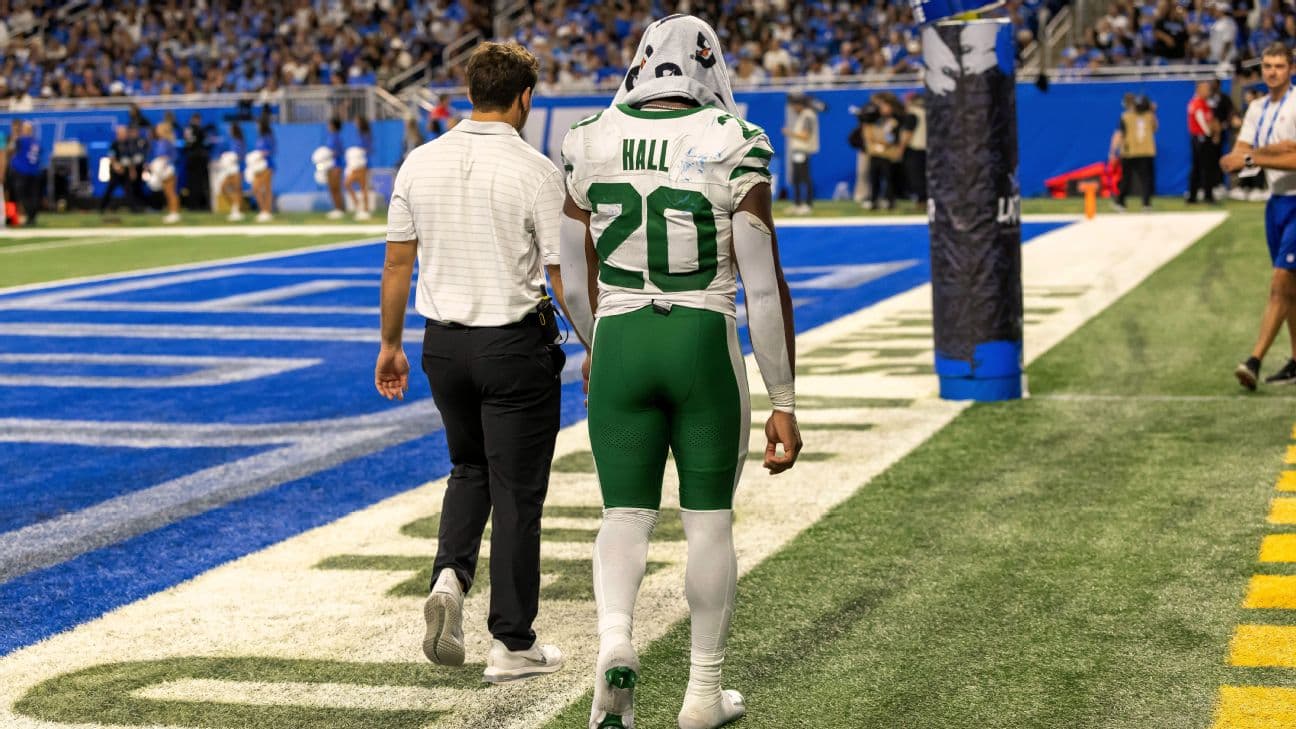
Week 1 start-sit decisions are the hardest of the season because there is no current-season data to anchor them. Everything is projection, prior-year performance, and reported role. That combination produces overconfidence in both directions: managers bench proven producers on the strength of a bad preseason snap, and start unproven ones on the strength of a good one.
Three decisions on this slate are genuinely close, and they are worth working through carefully rather than by rankings-list reflex.
Start: Travis Kelce, at Denver
Kelce enters his 14th NFL season, and every year the fantasy community relitigates whether this is the one where the cliff arrives. It has not arrived yet, and the Week 1 matchup is a reason to start him rather than a reason to hedge.
Denver allowed the 11th-most receptions to opposing tight ends last season, which is a mid-table figure rather than a disaster, but the more specific data point is that Kelce posted 24.1 PPR points in one of his two meetings with the Broncos last year. That is not a projection. That is a recent result against this defense.
The counterweight is the game environment. Kansas City hosts Denver on Monday night with a total of 42.5 and the Chiefs laid at only 2.5 points, a low-scoring script that caps everyone's ceiling. Kelce's floor is unusually resilient to that, because his targets come on early downs and in the intermediate middle rather than depending on the offense reaching the red zone.
Start him as a low-end TE1 with the understanding that the ceiling is capped by the total, not by his age.
The hardest call: Breece Hall
Breece Hall is expected to operate as the New York Jets' workhorse back in 2026, and he enters the season coming off an RB19 overall finish that his fantasy drafters found deeply frustrating.
That combination is exactly what makes him difficult. An RB19 finish for a player with a workhorse role means one of two things: either the role was not actually a workhorse role, or the efficiency was bad enough to waste it. If it was the former, the reported 2026 role fixes the problem. If it was the latter, the role was never the issue and fixing it changes nothing.
The evidence leans toward the first explanation. Hall's 2025 was marked by inconsistency in usage more than a collapse in ability, and a defined lead role is worth several fantasy points a week regardless of efficiency.
Start him as an RB2 in all formats. The floor is protected by volume, and volume is the thing that changed. What you should not do is start him expecting the top-eight season his talent suggests, because that outcome requires efficiency he has not sustained.
Sneaky start: Tony Pollard, against the Jets
Pollard has genuine RB2 value in Week 1 against New York, and the reason is on the other side of the ball. The Jets allowed the second-most fantasy points to opposing running backs in 2025.
Matchup-based running back starts are the least reliable category in fantasy, because a defense's rushing numbers are heavily influenced by game script and the quality of the offenses it faced. But the second-worst mark in the league is far enough from average that it survives most of that noise, and it is one of the few Week 1 matchup signals worth acting on.
Pollard is a flex start in twelve-team leagues and a genuine RB2 in deeper formats. If you are choosing between him and a back with a better name but a tougher matchup, take Pollard.
The Verdexed model take
Verdexed's Week 1 projections weight prior-season role data more heavily than prior-season fantasy finish, which is the single largest methodological difference between the model and consensus rankings in the opening week.
The reason is empirical. Fantasy finish is a downstream result contaminated by touchdown variance, injury games, and blowout scripts. Role, measured as snap share, route participation, and target or carry share, is far more predictive of the following season's opportunity. The model treats Hall's 2025 finish as weak evidence and his reported 2026 role as strong evidence, which is why it projects him meaningfully ahead of his current draft position.
The same logic runs in reverse for players whose 2025 fantasy finishes outpaced their roles. Those are the fades, and there are several on this slate being started on reputation.
On Kelce, the model produces a tight distribution: a modest median, a low ceiling given the game total, and a floor that is among the best at the position. That is a start in every format that requires a tight end, and a fade in DFS tournaments where you are paying for ceiling.
Quick calls
Start Jaxon Smith-Njigba against New England without thinking about it. Start A.J. Brown in Seattle for the same reason: elite receivers in tough matchups still see targets.
Start Kenneth Walker III in Kansas City with tempered expectations, because the Denver front and the 42.5 total both work against a big rushing line.
Start J.K. Dobbins over RJ Harvey in Denver until Week 1 snap counts prove otherwise. Harvey's fantasy price assumes a role he has not yet been given.
Sit Bo Nix. The matchup and the total are both wrong, and quarterback is the easiest position to stream around a bad week.
What it means
The general principle for Week 1 is to trust role over reputation and volume over efficiency. The information advantage available right now is not in knowing which players are good. It is in knowing which players have been handed jobs their draft price does not reflect, and in recognizing that a disappointing 2025 fantasy finish is often a story about opportunity rather than ability.