Oklahoma City and San Antonio Are Co-Favorites and the Champion Knicks Are a Big Price
By Verdexed NBA Desk
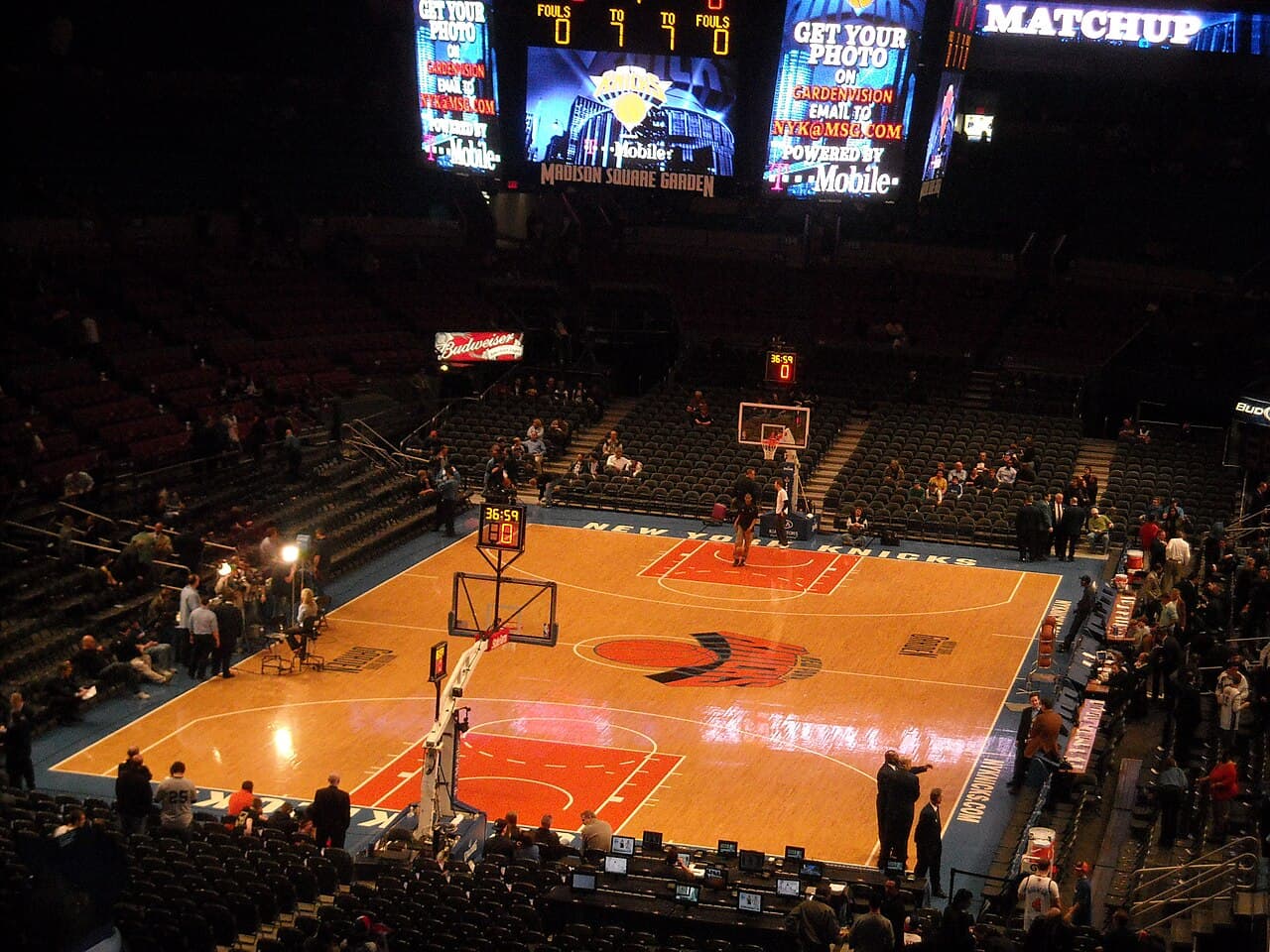
With media day set for September 28 and training camps opening September 29, the 2026-27 futures board has settled into an unusual shape. Oklahoma City and San Antonio are sitting on top as co-favorites, priced around the same number in the vicinity of +260 at major sportsbooks. The New York Knicks, who beat the Spurs in five games in June for the franchise's first championship since 1973, are priced near +900. A defending champion as a distant third choice is rare, and it says more about the two teams ahead of them than it does about New York.
Why the market likes Oklahoma City and San Antonio
The Thunder case is continuity plus age. Oklahoma City's core is built around Shai Gilgeous-Alexander with a deep supporting cast and a stockpile of draft capital that has not been spent. Teams with that combination do not decline; they get better as the young pieces mature, and the front office retains the flexibility to convert assets into a missing piece at the deadline.
San Antonio's case is Victor Wembanyama, who signed a five-year maximum rookie-scale extension worth roughly $252 million and who reached the Finals last season before losing to New York. A player of that caliber on a team that already made the Finals is the single cleanest bet on the board, because the variance that usually separates a contender from a champion runs through star availability, and Wembanyama's availability is now locked in on a long-term deal.
The counterargument to both is the same one that applies every year: the market overpays for the teams it can most easily justify. Co-favorites at short prices are where the money goes and rarely where the value is.
The champion is a genuinely big price
New York at around +900 for a repeat is the most interesting number on the board. The Knicks won the title in a way that was historically improbable, rallying from double-digit deficits in all four of their Finals wins, including a 29-point comeback in Game 4 that stands as the largest in Finals history. Jalen Brunson won Finals MVP and scored a franchise Finals record 45 points in the Game 5 clincher.
There is an obvious reason the market discounts them. Comeback-driven championships tend to be viewed as unrepeatable, and the analytics case is that a team winning that many games from that far behind was outperforming its process rather than demonstrating a repeatable edge.
There is also a reason to push back. Brunson in a closing situation is as reliable a resource as the league has, and the Knicks' roster is intact and experienced. A defending champion at nine to one with its best player in his prime is the kind of price that looks obvious in hindsight if the team simply plays to its regular season baseline and gets a normal playoff run.
The offseason reshuffled more than the top
The board behind the favorites was rearranged by an unusually active summer. Milwaukee traded Giannis Antetokounmpo to Miami in a package built around four players, four first-round picks and a pick swap. Portland acquired Ja Morant from Memphis. Charlotte sent LaMelo Ball to Minnesota the day after the draft. DeMar DeRozan agreed to a one-year deal in Denver, and Klay Thompson signed with Miami after clearing waivers.
The Giannis trade is the one that reshapes a conference. Miami adding a player of that caliber moves the Heat into the Eastern Conference's top tier and pulls Milwaukee into a rebuild that the market has not fully priced. Teams that trade a superstar for four firsts are usually undervalued in win-total markets for about a month and then correctly valued once the rotations become clear.
The other structural change is a new lottery system expanded to 16 teams that penalizes the three worst records. That is a direct attack on tanking incentives, and it should compress the bottom of the league. Bad teams now have less reason to lose on purpose in March, which pushes their realistic win totals up a game or two relative to prior seasons.
Win totals are where the edge is
Championship futures are the worst-priced-to-value market in sports. The vig is enormous, the money is locked up for eight months, and the favorites are bet by the public regardless of price. Win totals are the opposite: shorter holding periods, sharper pricing, and clear analytical inputs.
The specific angle this year is the lottery rule change. Any team whose win total was set using historical tanking patterns is a candidate for the over, because the incentive structure that produced those patterns no longer exists. Look at the bottom eight teams on the board and ask whether their number assumes a March collapse that the new rules discourage.
On the other side, the unders worth examining are teams that absorbed a superstar mid-tier package. Rosters in transition underperform their projected totals early while rotations get sorted, and the market prices them on talent rather than on integration time.
The Verdexed model take
Our model does not have Oklahoma City and San Antonio as equals. It reads the Thunder as the more robust roster and the Spurs as the higher-variance one, which means a price that treats them identically is offering the Thunder at a discount and the Spurs at a premium.
The model also thinks the champion is underpriced. The Knicks at nine to one implies roughly a 10 percent chance of a repeat before accounting for the hold, and a healthy defending champion with continuity is worth more than that in a league where the same four or five teams account for almost all the title equity.
The single best structural position, though, is not on the title board at all. It is on the Miami win total, where a roster that added both Antetokounmpo and Thompson is being evaluated against last season's baseline rather than against what the rotation will actually look like in January.
What to do before camp opens
Do not bet the title market yet. Futures prices move most in the first two weeks of the season, and the information that moves them, injury news out of camp and rotation clarity from preseason, arrives free between now and the October 3 preseason opener.
Do build your win-total list now. Media day on September 28 and the first practices on September 29 produce the usage and role signals that make those markets beatable, and the numbers get sharper every day after that. The window for finding a stale total closes fast once the league starts playing games.