Atlanta Is About to Put the NL East Away and Philadelphia's Season Now Runs Through a Wild Card Series
By Verdexed MLB Desk
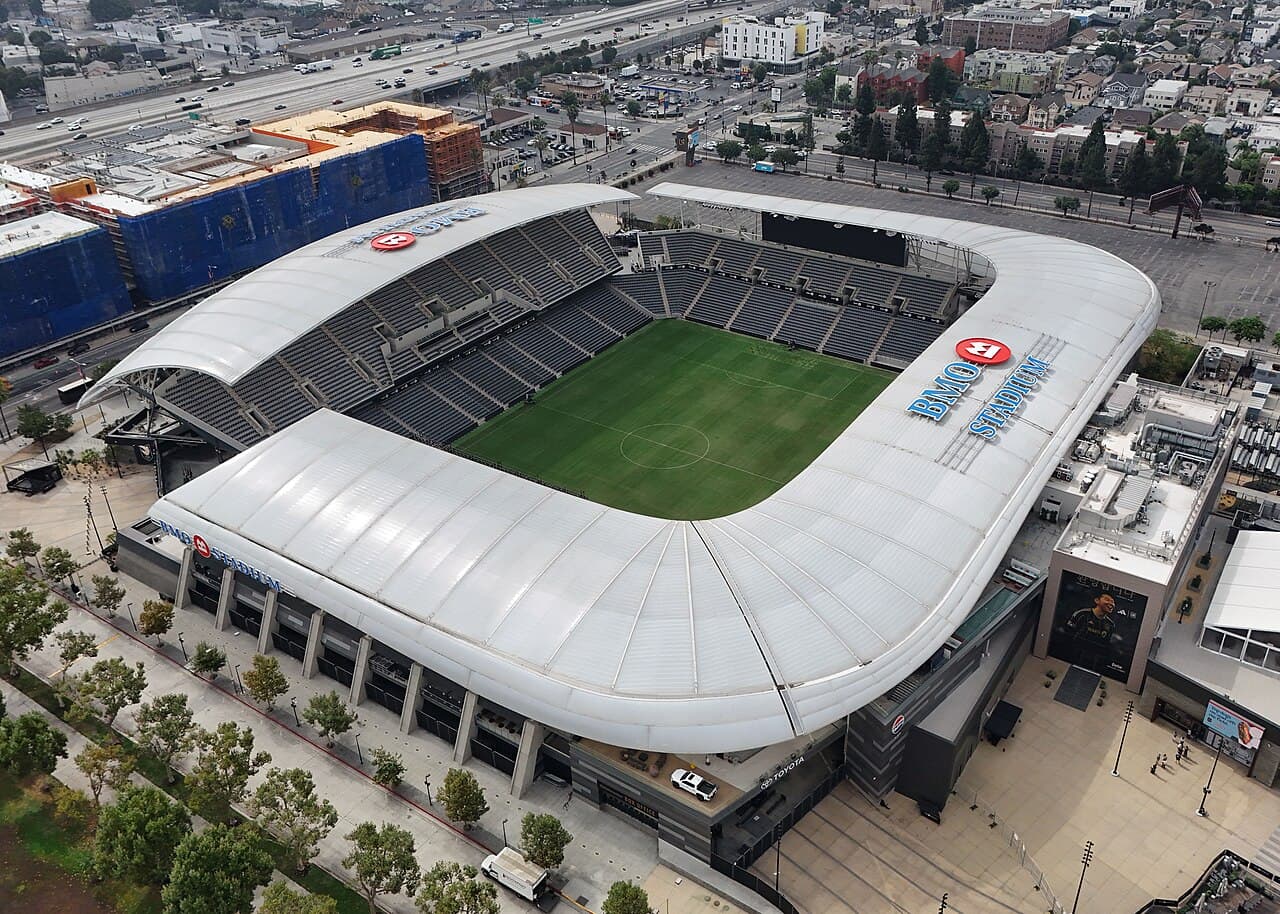
Atlanta entered Monday at 88-61, roughly six games clear of Philadelphia at 82-67, with a magic number in the single digits and under two weeks left in the regular season. The Braves have won nine of the 12 meetings between the teams this year, including five of seven in September, and the head-to-head schedule is now exhausted.
That is a division decided in everything but the arithmetic. Philadelphia currently holds the National League's second wild card, which means the Phillies are going to the postseason. They are just not going there with home-field advantage or a bye.
What a six-game deficit with 13 to play actually means
The math is unforgiving. Philadelphia needs to make up six games in under two weeks without a single remaining head-to-head game, which requires Atlanta to lose nearly every game while the Phillies win nearly every game. That does not happen.
The more useful framing is that Philadelphia's remaining games are about seeding within the wild-card round, not about catching Atlanta. Moving from the second wild card to the first changes the opponent and the venue, and in a best-of-three series where all games are played at the higher seed's park, that is worth real win probability.
Atlanta's remaining games are about rest and rotation alignment. A team with a single-digit magic number and a comfortable lead starts thinking about who is starting Game 1 of a division series on October 3, not about winning on September 18.
The fantasy consequence is immediate
This is championship week for most head-to-head leagues, and the Braves are the team most likely to start sitting people.
A club that clinches with a week to play will rest its regulars, shorten outings for starters it wants fresh, and hand at-bats to September call-ups. Every Braves hitter on your roster becomes a risk of a zero-game week, and the risk starts the moment the magic number reaches zero.
Ronald Acuna Jr. and Michael Harris II are the names most likely to be affected, simply because they are the ones a manager most wants healthy in October. Sean Murphy is the other, because catchers get the most aggressive rest treatment of any position in a clinched September.
Philadelphia is the opposite case. The Phillies are fighting for wild-card position, which means they play their regulars to the last day. In a title week, a Phillies hitter is more reliable than a better Braves hitter, and that trade is worth making even at a projection cost.
The Verdexed model take
The model has Atlanta's division probability effectively at a certainty and its projected playoff seeding at or near the top of the National League bracket. The more interesting output is on the Phillies.
Philadelphia's model-projected win probability in a wild-card series is meaningfully higher than its seeding implies, because the model weights starting-pitching quality more heavily in short series than in regular-season projections. A three-game series played almost entirely by two or three starters rewards rotation depth in a way that 162 games does not, and the Phillies' front three is among the better collections in the league.
That is the actionable edge for anyone betting October: Philadelphia's price to advance out of the wild-card round is likely to be generous relative to what a three-game series actually looks like, and the price to reach the National League Championship Series may be more generous still.
Atlanta's own October projection is strong but not dominant. The model's National League pennant probabilities have the Braves, Dodgers and Brewers grouped closely, which is a tighter field than the division standings suggest.
Betting angle
The NL East futures market is dead. There is no value left in a division that is decided.
The live markets are the wild-card seeding lines and the National League pennant futures. On seeding, Philadelphia moving from the second wild card to the first is the specific outcome to look for, because it changes both the opponent and the venue for the first round.
On the pennant, the Phillies are the play. A team with a strong front three, a postseason-tested lineup, and a price built on a second wild-card seed is exactly the profile that outperforms its odds in October. Atlanta's price is fair. Philadelphia's is not.
The under on Atlanta's remaining team totals is also worth watching once the clinch happens. Lineups full of September call-ups score fewer runs, and books are slower to adjust those totals than they should be.
What it means
The Braves have won this division, and the way they won it was by beating Philadelphia nine times in 12 tries. That is not a tiebreaker footnote; it is the entire six-game margin.
For the Phillies, the season is not over, but its shape has changed. Everything now runs through a best-of-three played on the road against whoever ends up as the third seed, and then through Atlanta or Los Angeles or Milwaukee after that. That is a harder path than the one available two weeks ago, and it was closed out in a single series in Atlanta.
What's next
Watch for Atlanta's clinch date, because that is the day your fantasy roster changes. Watch Philadelphia's chase of the first wild card, because that is the only standings movement left in this division that carries real value. And watch the National League pennant market in the days after the brackets are set, because that is when the mispricing on a hot team with three good starters usually appears.