 NFL2026-07-15
2026 Fantasy TE Tiers: Bowers and McBride Lead, Kittle Carries an Injury Discount
By Verdexed Fantasy Desk
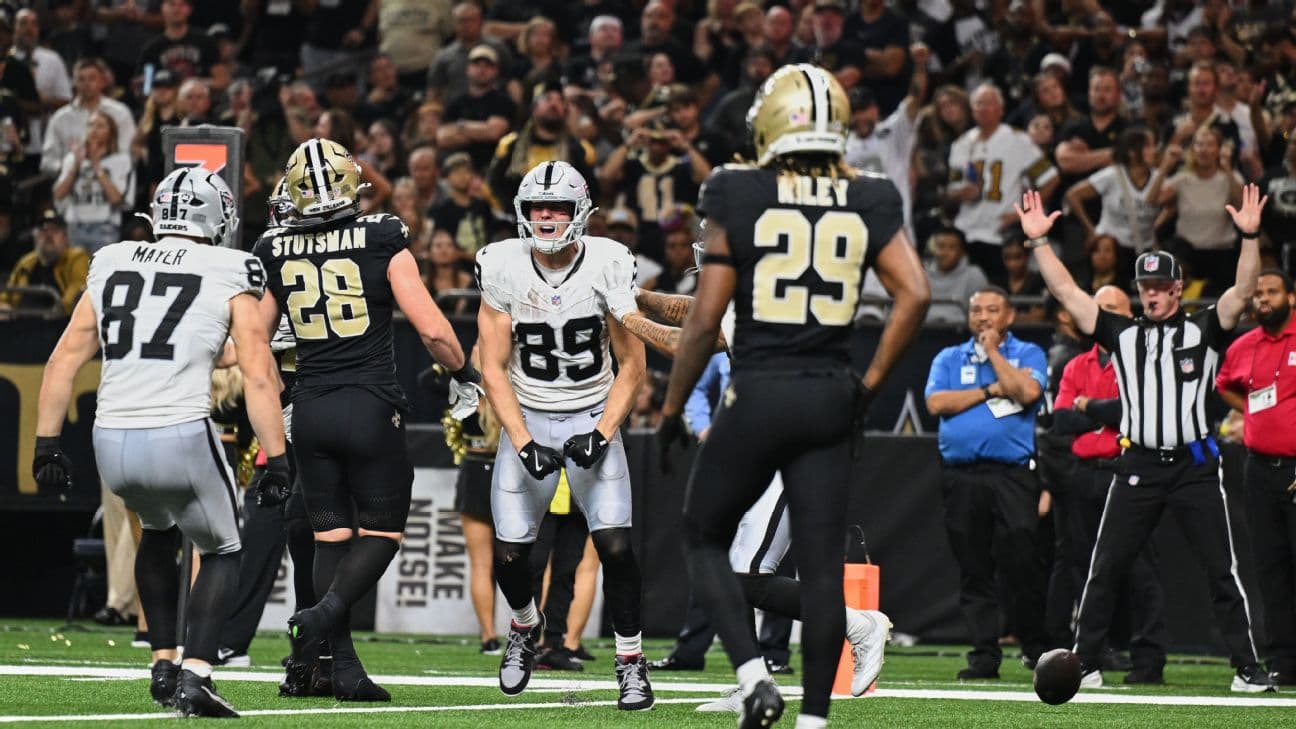
Tight end remains the most top-heavy position in fantasy football, and the 2026 board makes that clearer than ever. Two names, Brock Bowers and Trey McBride, sit in a tier of their own as early-round investments, a third elite option carries a real injury discount, and then a wide, muddy middle separates the managers who nail the position from those who spend the season streaming. With training camps opening, here is how the Verdexed model tiers the tight ends for 2026.
Tier 1: The early-round anchors
Bowers and McBride are the two tight ends worth a second-round pick, and the debate over which comes first is close. Bowers gets the edge as the preferred TE1 in most rooms, a dynamic weapon entering his third season who profiles as a target hog regardless of who plays quarterback for the Raiders. That quarterback question, whether it is a veteran or a rookie under center in Week 1, is the one variable to watch, but Bowers' role is elite either way.
McBride is right there. He posted one of the great tight end volume seasons in recent memory, hauling in 126 receptions for 1,239 yards and 11 touchdowns while commanding better than a quarter of his team's targets and air yards. That is a genuine WR1-level workload from the tight end position. The only mild caution is touchdown regression and whether last year's ceiling is repeatable, but the target floor is about as safe as it gets at the position.
Drafting either locks in a weekly positional advantage. In a format where most managers are streaming, owning a top-two tight end is a legitimate roster-construction edge.
Tier 2: The discount elite and the next wave
George Kittle is the fascinating name in this range. When healthy, he is still a top-tier producer, remaining dominant into his 30s with strong efficiency and touchdown production. The problem is an Achilles tear suffered in the postseason, an injury that at that point on the calendar typically means missed time to open the season. Kittle carries the biggest discount of any elite tight end, and that cuts both ways: you may be buying a top-five talent at a tier-three price, but you also have to survive the early weeks he could miss. He is best drafted by managers who can afford to stash him or who pair him with a viable early-season fill-in.
Behind Kittle sits the next wave of ascending pass-catchers, the tight ends with the target profiles to push into the top five if the touchdowns cooperate. This is where the position gets valuable for drafters who miss the top two: a target-earning tight end in a good offense, taken a few rounds later, can return top-five value without the premium cost.
Tier 3: The volume-dependent middle
The middle of the tight end board is a collection of players who will finish inside the top 12 but whose weekly output swings on touchdowns and game script. These are the streaming-adjacent options, tight ends you can start most weeks but who rarely win you a matchup on their own. The Verdexed model's guidance here is simple: if you did not draft one of the top three or four, do not reach into this tier early. Wait, take multiple shots, and play the matchups.
The positional-advantage math
The reason the top of the tight end board is worth a premium comes down to replacement value. At running back and wide receiver, the drop-off from the top options to the mid-round starters is gradual, and the waiver wire regularly produces usable weekly plays. At tight end, the drop-off is a cliff, and the streaming pool is a coin flip. That means the points you gain by rostering a top-two tight end are points your leaguemates simply cannot match from the position, week after week. It is a structural edge, not just a talent edge.
The counterargument, and it is a valid one, is opportunity cost. Spending an early pick on Bowers or McBride means passing on a premium running back or receiver in a round where those players are scarcer. That is the real tension in tight end strategy: the advantage is real, but so is the cost of securing it. The managers who navigate it best either commit fully to the top tier early or punt the position entirely and reallocate those early picks to the deeper positions, avoiding the trap of paying a mid-round premium for a tight end who does not move the needle.
The Verdexed model take
Verdexed's projection model reinforces the barbell shape of the position: a small handful of tight ends with WR-level target shares, then a steep cliff. The model's expected-points-per-game gap between the TE2 and the TE8 is large enough that securing an anchor is worth a premium pick, while the gap between the TE9 and the TE16 is narrow enough that late-round dart throws are the efficient play if you miss the top.
On Kittle specifically, the model treats the Achilles recovery as the dominant variable. His per-game projection when active remains elite, but the games-played discount pulls his full-season value into the second tier. The edge is real for managers with the roster flexibility to absorb a slow start; the risk is real for those who cannot.
What to do in your draft
There are two winning strategies at tight end in 2026, and both are defensible. The first is to pay up for Bowers or McBride and enjoy a set-and-forget weekly advantage. The second is to punt the position entirely, wait, and take two or three swings on ascending or discounted options, Kittle among them, in the middle rounds.
What you should avoid is the trap in between: spending a mid-round pick on a tier-three tight end whose ceiling is capped and whose floor is barely better than what you could stream for free. Either secure the advantage at the top or embrace the value at the bottom. The messy middle is where fantasy drafts go to die.