 NFL2026-07-01
2026 Fantasy Football TE Tiers: Brock Bowers and Trey McBride Sit Alone at the Top
By Verdexed Fantasy Desk
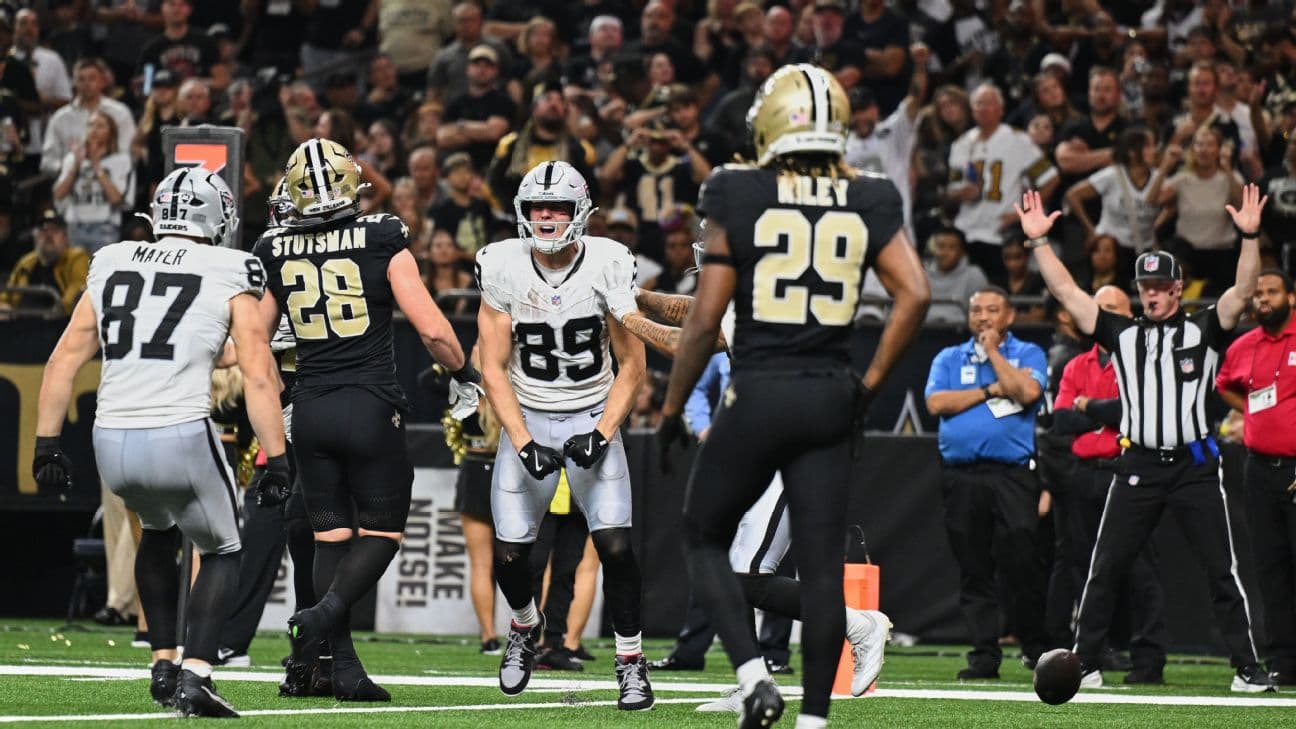
The 2026 tight end board has resolved into a clean verdict: two players stand alone at the top, and everyone else is fighting for the next rung. Trey McBride and Brock Bowers have separated themselves from the field, and both are now landing as second-round redraft picks. That reframes the entire position for drafters. The question is no longer whether tight end is worth an early pick. It is whether a manager wants to pay the second-round price for a weekly edge, or punt the position entirely and hunt value later.
The gap between the elite pair and the rest is what makes this year's tight end decision so binary. Miss on McBride or Bowers and the drop-off is real. That is the tension every draft room will feel, and the tiers below lay out exactly how to navigate it.
Tier 1: the elite pair
Trey McBride is the consensus TE1, and the case is overwhelming. In 2025 he led the entire position in routes run (694), catches (126), targets (169), and touchdowns (11), finishing as the overall TE1. That is a volume profile that borders on unfair for the tight end position. A player who anchors his offense in targets and routes carries the kind of weekly floor that wide receivers command, and the touchdown production removed the one knock that had followed him in prior seasons. McBride is the safest bet at the position and a defensible second-round selection.
Brock Bowers is the other half of the top tier, and he arrives with even more upside. His 2025 was injury-plagued, yet he still ranked second among tight ends in points per game (14.7) and second in target share (24%). That combination is the tell. When a player produces at an elite per-game rate while dealing with injury and commands nearly a quarter of his team's targets, the ceiling is enormous once health returns. Bowers is a clear frontrunner to finish as the top overall tight end in 2026, and many drafters will happily take the healthy-season bet at a similar cost to McBride.
The strategic point is simple. These two are close enough that either is a fine pick, and both are worth reaching into the second round for. If a manager wants a set-it-and-forget-it advantage at tight end, this is where to spend.
Tier 2: the every-week starters
Below the top pair sits a group of players who can be locked into lineups every week without a second thought, and two names lead the risers.
Tucker Kraft is the headliner of this tier. He is coming off an ACL and meniscus tear, which introduces recovery risk, but the underlying arrow points sharply up. He is expected to see a spike in targets and usage, the exact profile that turns a solid tight end into a difference-maker. If the medical timeline cooperates, Kraft offers Tier 1 upside at a Tier 2 cost, and that is the sort of value that wins drafts.
Colston Loveland is the other riser worth targeting. He flashed late in 2025, drawing at least a 15% target share in each of the final nine games. Over that span he posted a 24.7% target rate per route and 1.97 yards per route run, both marks that signal a player his offense trusts as a primary option. A young tight end trending toward a featured role late in the year is exactly the kind of ascending asset to buy before the market fully catches up.
Beyond the risers, this tier includes the established veterans who have delivered week-to-week starter production for years. These are the reliable pass-catchers with defined roles in productive offenses, the players who rarely win a week outright but almost never lose one either. Managers who miss the top pair can comfortably build around this group, mixing a proven veteran floor with one of the ascending names for upside.
Tier 3: streamers and dart throws
The third tier is where the position turns into a weekly puzzle rather than a locked-in lineup slot. These are the streamers and upside darts: players with a path to relevance but without the settled role that separates a startable tight end from a matchup play.
Some names here are talented pass-catchers waiting on a larger target share, whether because of a crowded receiver room, a new offensive system, or an unsettled quarterback situation. Others are athletic profiles who could break out if the volume arrives but have not yet earned the trust of their coaching staff. The common thread is uncertainty. A drafter should treat this tier as a lottery, not a foundation.
The right way to attack Tier 3 is to prioritize opportunity over name recognition. Target the players attached to high-volume passing offenses or those in line for a role expansion, and be willing to churn the position week to week based on matchups. In deeper leagues, rostering two of these darts and playing the matchups can approximate a mid-tier starter without the draft-day cost.
The Verdexed draft strategy
The 2026 tight end landscape rewards a decisive plan, and there are really two viable approaches.
The first is to pay up. If McBride or Bowers falls to a manager in the second round, taking one of them buys a weekly positional advantage that lasts the entire season. The elite pair produces at a rate that lets a manager win the tight end matchup nearly every week, freeing up the rest of the draft to chase the best available player without worrying about the position again. For contenders who value certainty, this is the cleaner path.
The second approach is to wait, and it is entirely defensible given the depth in Tier 2. A manager who spends early picks loading up on running backs and wide receivers can circle back and land Tucker Kraft or Colston Loveland at a fraction of the top-tier cost. Both carry legitimate upside, Kraft through a projected target spike and Loveland through his late-season trajectory, and either can return top-five value if the season breaks right. The tradeoff is risk. Kraft's recovery and Loveland's youth both introduce variance that the elite pair does not carry.
What a manager should avoid is the middle. Reaching for a Tier 2 veteran a round or two early, after passing on the elite pair, captures neither the ceiling of McBride and Bowers nor the value of waiting on the risers. The position is barbelled this year: spend big at the top, or spend late on upside, but do not pay a premium for the safe middle.
The actionable takeaway
Here is the bottom line for 2026 drafts. If McBride or Bowers is available in the second round, take one and enjoy a season-long edge at tight end. If a manager misses that window, the smart move is to wait, let the position come to them, and target the Tier 2 risers, with Tucker Kraft and Colston Loveland representing the best value in the entire tier. Both offer a real path to top-tier production at a cost that will not sink a draft.
Do not force a pick in the muddled middle rounds. The elite pair is worth a reach, the risers are worth the wait, and the streamers are worth a late dart. Pick a lane early, commit to it, and let the barbell strategy do the work.