Tyler Glasnow Is One Rehab Start Away and the Dodgers Have Nowhere to Put Him
By Verdexed MLB Desk
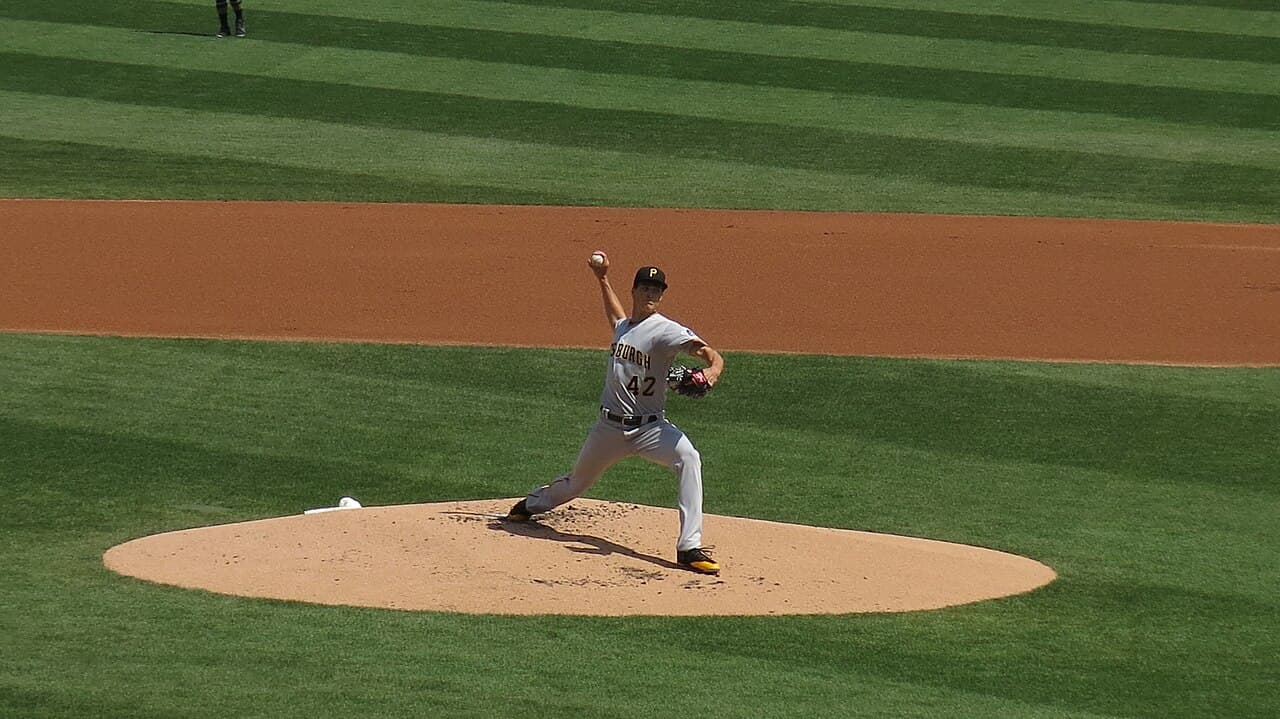
Tyler Glasnow is one minor league appearance away from rejoining the Los Angeles Dodgers, and the return is arriving at the strangest possible moment: the Dodgers no longer need him.
Glasnow has been out since early May with lower back spasms and began a rehab assignment on August 4. Across three rehab starts he has allowed one run in roughly eight innings, and his most recent outing was the loudest of the three: no hits allowed across 3 2/3 scoreless innings with eight strikeouts among the 13 batters he faced. Manager Dave Roberts has said Glasnow will make one more minor league appearance, targeting about five innings and roughly 75 pitches, before the club considers activating him from the 60-day injured list. Late August is the window.
The rotation math
The problem is what has happened in Los Angeles while he has been away. The Dodgers acquired Tarik Skubal at the trade deadline, which immediately made their rotation the most talented in baseball on paper. Blake Snell returned from the injured list and dominated in his first start back. Yoshinobu Yamamoto has been the steady front-line arm all season. That is three legitimate aces.
Behind them, Los Angeles has been running a six-man rotation that also includes Roki Sasaki, Kris Bubic and Justin Wrobleski. Shohei Ohtani has not pitched since early July while dealing with left knee inflammation and right bicep discomfort, and while the club maintains he will pitch again this season, a September return is the optimistic case rather than the assumption.
Add Glasnow and the Dodgers have seven starters for six spots, in a six-man rotation they only adopted because Ohtani stopped pitching. When Ohtani comes back, they have eight.
What that means for fantasy managers
This is the part that gets missed. A pitcher's fantasy value is a function of talent multiplied by opportunity, and opportunity in Los Angeles is the scarcer resource right now.
Glasnow's per-inning production has never been the question. When healthy he misses bats at an elite rate and his strikeout upside over a six-week stretch is as high as anyone available on a waiver wire. What is genuinely uncertain is how many innings he will actually get. A team with a comfortable playoff position and three healthier front-line starters has every incentive to manage Glasnow's workload carefully, both because of his own injury history and because the only innings the Dodgers care about are in October.
Realistically that means shorter outings, skipped turns, and possibly a bullpen role by late September. Managers in head-to-head leagues should treat him as a high-strikeout, low-innings streamer rather than a rotation anchor. Managers in roto leagues chasing strikeouts should absolutely add him, because the rate stats will be excellent even if the volume is not. Managers chasing wins should look elsewhere, since a starter who goes four or five innings in a six-man rotation is not a reliable source of them.
The bigger picture for Los Angeles
For the Dodgers themselves, this is the good version of a roster problem. Six weeks from the postseason, the club has more healthy, effective starting pitching than it can use, which is the exact inverse of the position it has occupied in most recent Augusts.
The competitive question is who gets squeezed. Sasaki, Bubic and Wrobleski are the arms most likely to lose turns as the rotation compresses toward October, and each of them has fantasy relevance that could disappear inside of two weeks. If you are rostering any of the three in a shallow league, this is your notice that their innings are not secure.
The Verdexed model take
Our starting pitcher projections separate talent-based expectations from opportunity-based expectations, and the gap between the two is where most late-season waiver decisions go wrong. Glasnow's talent projection over the final six weeks is comfortably inside the top tier of available arms. His opportunity projection is well below it, because the model penalizes pitchers returning from long absences to crowded rotations on teams with locked-in playoff position.
That combination produces a specific recommendation: Glasnow is a strong add in strikeout-weighted and points-per-inning formats and a marginal one in innings-driven categories. He is not a player to trade meaningful assets for, because his per-start value cannot overcome a start count that may end up in the four-to-six range.
On the betting side, the more useful read concerns the Dodgers' team markets rather than Glasnow individually. Depth of this kind is worth very little in the regular season, where a sixth starter is a luxury, and worth a great deal in a short series, where an extra elite arm out of the bullpen changes how a manager can navigate the middle innings. Season-long markets have already priced the Skubal acquisition. What they have not fully priced is a Dodgers postseason staff that could feature Skubal, Yamamoto and Snell in a three-game series with Glasnow available in relief.
That is the actual value of this activation, and it does not show up in any fantasy box score.
What to watch
Two things over the next ten days. First, the date and length of Glasnow's final rehab outing, which will confirm the activation window and give the clearest signal about how Los Angeles intends to use him. Second, the shape of the rotation once he is back. If the Dodgers stay in a six-man alignment, everyone keeps working and Glasnow is startable. If they compress to five with Glasnow in it, someone else loses a job and the fantasy landscape changes for three or four pitchers at once.
And keep half an eye on Ohtani. If he resumes throwing and targets a September mound return, the crowding gets worse, and the innings available to everyone behind the top three shrink again.