Jackson Holliday Is on the Injured List With Wrist Inflammation and His Season Is Likely Done
By Verdexed MLB Desk
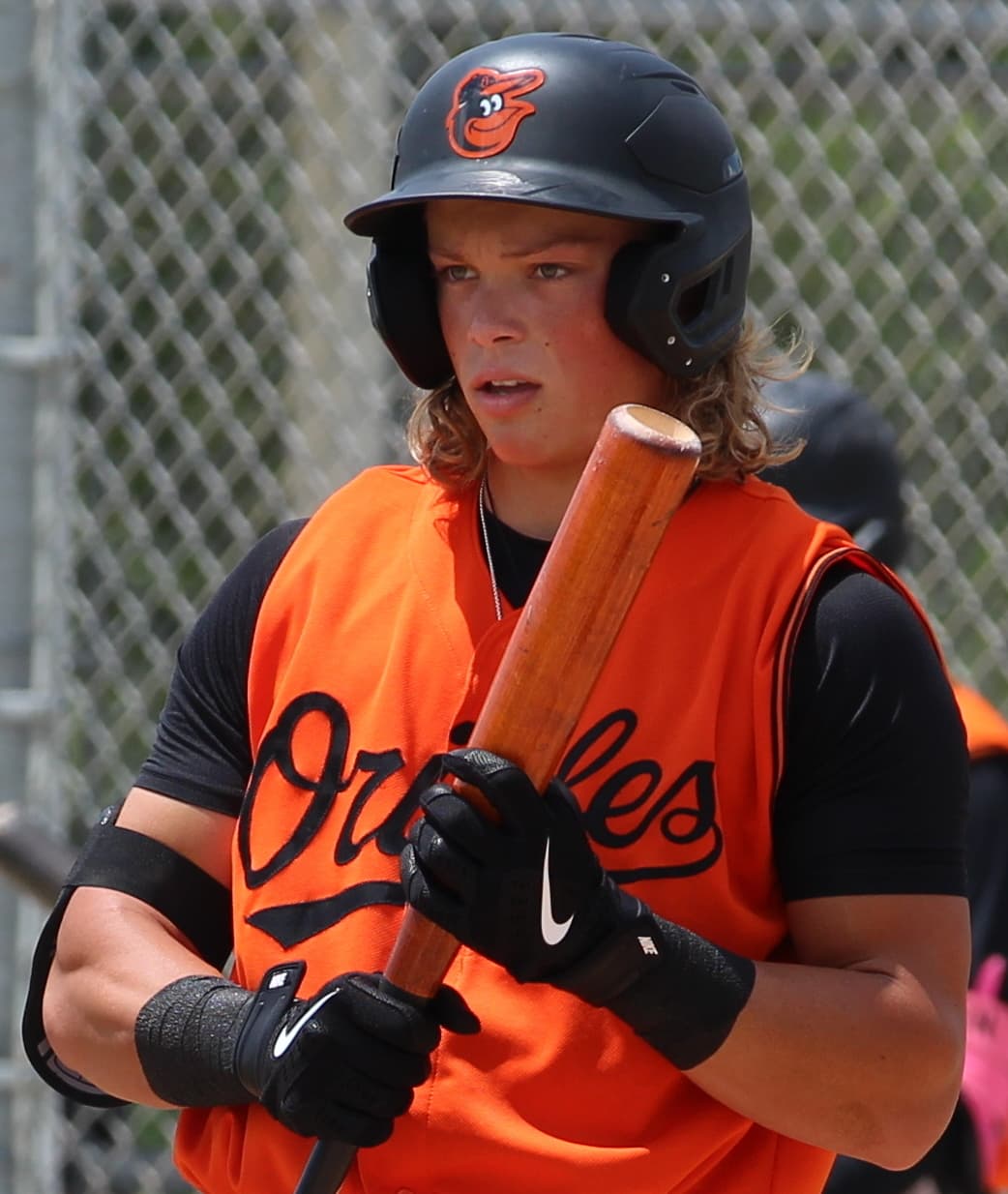
The Orioles placed second baseman Jackson Holliday on the 10-day injured list with left wrist inflammation, a move announced shortly before Wednesday's game against the Mets and made retroactive to Tuesday. Infielder Jose Barrero had his contract selected from Triple-A Norfolk to take the roster spot. With fewer than two weeks left in the regular season and Baltimore playing out the string, a 10-day IL stint is functionally the end of Holliday's year.
For fantasy managers in championship weeks, this is a lineup problem. For anyone evaluating Holliday for 2027, it is the more important story, and the wrist is the reason.
The season that never got going
Holliday, 22, batted .229 with seven home runs, 30 RBI and eight stolen bases across 98 games. He missed the first 48 games of the season recovering from surgery to remove the hamate bone in his right hand.
That sequence is the whole picture. Hamate surgery is a well-documented power suppressor, and the recovery arc is measured in months of diminished bat speed rather than weeks. A player who missed the first third of a season to hamate removal and then finished the year with inflammation in the other wrist has spent 2026 with compromised hands at both ends.
The Orioles also received other unwelcome news this week, with pitcher Kyle Bradish diagnosed with a sports hernia. Baltimore's season has been defined by exactly this kind of accumulation.
What it means for fantasy right now
Holliday needs to be replaced in every active lineup immediately. In leagues where the fantasy championship is decided this week or next, there is no version of this where he returns in time to contribute, and holding him is a wasted roster spot at the most important moment of the season.
The replacement calculus depends on your format. In shallow leagues, the waiver wire will have a second baseman on a contending team getting everyday at bats, which is preferable to a bench bat on an eliminated club. In deeper leagues, the priority should be playing time above all else: a mediocre hitter who starts every game in a pennant race is worth more in the final two weeks than a better hitter whose manager has started resting him.
This is the phase of the season where roster construction logic inverts. Talent matters less than certainty of playing time, because there are not enough games left for talent to separate itself from noise.
The 2027 question
Holliday's dynasty and keeper value is where the real analysis lives, and the honest answer is that 2026 provided very little usable information.
A .229 average with seven home runs in 98 games is a bad season by any surface reading. But the surface reading is contaminated. Hamate recovery routinely suppresses power for a full season, and the standard framing among evaluators is that a player's first year back from the procedure should be discounted heavily rather than treated as a new baseline.
The wrist inflammation at the end is the genuinely concerning part, because it is the other hand. Two hand or wrist issues in the same calendar year, even unrelated ones, raise the question of whether there is a mechanical or workload factor at play. The Orioles have not indicated anything beyond inflammation, and inflammation without structural damage is the best available version of the diagnosis.
The reasonable position for a dynasty manager: hold, and expect the 2027 acquisition cost to be the lowest it has been since he was drafted. A former number one overall pick entering his age-23 season with a clean offseason ahead of him is a buy-low candidate, not a sell. The risk is that another manager in your league arrives at the same conclusion.
The Verdexed model take
The model's read on Holliday is that his projection for 2027 should be built almost entirely from his minor league track record and his 2025 second half rather than from the 2026 line.
The reasoning is mechanical. Projection systems weight recent seasons most heavily, which means a system that ingests 2026 without adjusting for the hamate recovery will produce a badly pessimistic 2027 forecast. That systematic pessimism is the source of the value, because it will show up in industry rankings and, downstream, in draft-day prices.
The stolen base column is the underrated part of the profile. Eight steals in 98 games while playing through a compromised hand is a meaningful rate, and speed is the tool least affected by hand injuries. A healthy Holliday in a full season projects to run enough to matter in a category that has become scarce.
The Baltimore context is the remaining variable. An organization that has cycled through infield configurations will not automatically hand him 600 plate appearances, and a slow start in April 2027 would raise real questions about his grip on the job. That is the tail risk to price in.
What is next
Baltimore has not announced anything beyond the IL placement, and there is no reason to expect a return. The Orioles are not contending, the roster spot is better spent evaluating a younger player, and a wrist that is inflamed in mid-September has nothing to gain from playing through two more weeks of meaningless games.
The meaningful update will come in the offseason, when the team discloses whether the inflammation required any intervention beyond rest. That is the single data point that separates a buy-low dynasty target from a genuine red flag.
Until then, the actionable move is the simple one. Replace him in your lineup this week, and put him on your list of players to acquire cheaply in the winter.