Shohei Ohtani Returns Tonight With Five Games to Get Ready for October
By Verdexed MLB Desk
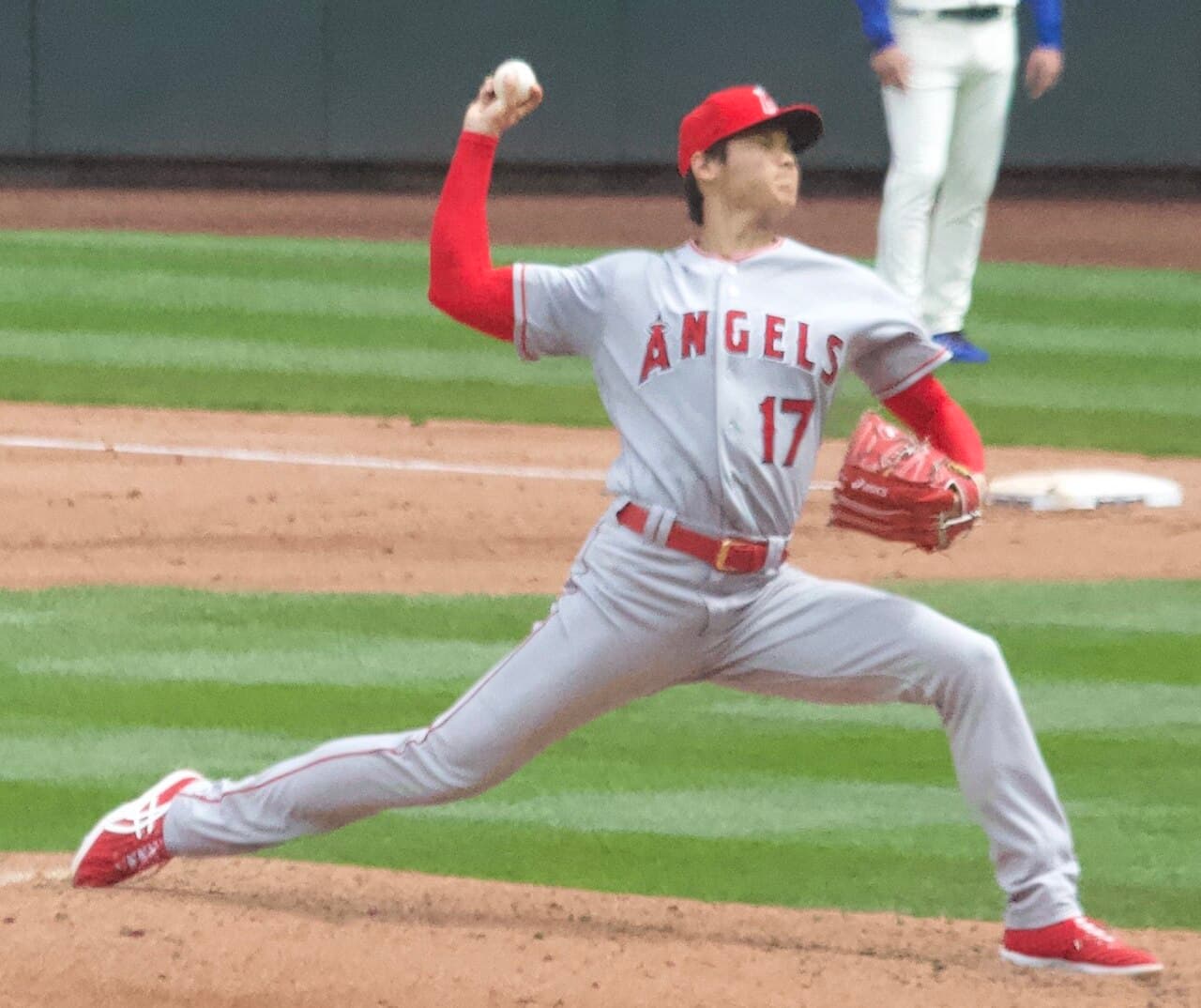
The Dodgers are activating Shohei Ohtani from the injured list for Wednesday night's game against San Diego, the first day he was eligible to return. He went on the 15-day injured list on September 11 with knee and biceps issues, and manager Dave Roberts indicated this week that Ohtani was feeling considerably better than he had at the start of the stint. Ohtani has said he intends to focus on hitting and is not expected to pitch again this season.
That leaves five regular-season games to rebuild timing before the postseason opens on September 29. For a Dodgers team that has already clinched the National League West and sits as the consensus World Series favorite, those five games exist almost entirely for Ohtani's benefit.
What the injury actually was
Ohtani was placed on the injured list with a combination of knee and biceps problems, and as a two-way player he was required to use the 15-day list rather than the shorter position-player version. The biceps issue is the one that ended his pitching season.
The decision to stop pitching is the right one on every axis. A pitcher with biceps inflammation entering a postseason is a candidate for a much longer-term problem, and the Dodgers have enough rotation depth that the marginal value of Ohtani throwing two October innings is not close to the risk. Los Angeles has already signaled it intends to run a four-man postseason rotation.
The knee is the variable that matters for the bat. Hitters who lose their back leg lose power before they lose contact, and the first thing to watch in these five games is not batting average but whether the ball is leaving the bat at his normal velocity. Exit velocity recovers before results do, and it is the leading indicator.
Five games is both plenty and not enough
There are two competing views on a short ramp before a postseason, and both have evidence behind them.
The first is that five games is not enough. Hitters returning from two weeks off routinely look overmatched for a week, and the postseason is the worst possible environment for a rusty hitter because the pitching quality jumps immediately. A hitter who needs twenty at-bats to find his timing does not get them in a best-of-three Wild Card round.
The second is that rest helps more than reps at this point in a season. A player who has accumulated six months of wear and takes two weeks off returns fresher than he would have been otherwise, and the Dodgers' schedule gives Ohtani roughly twenty plate appearances before the games matter, which is not nothing.
The honest answer is that both are true and the outcome is close to a coin flip. Teams that get a star back on a short ramp usually get a version of him that is somewhere between his baseline and his ceiling, and the variance around that is wide.
The Dodgers are set up regardless
Los Angeles clinched the NL West and has been trimming its rotation for October rather than trying to catch Milwaukee for the top seed. The Brewers hold the tiebreaker in that race, which means the Dodgers' path likely runs through a division series rather than a bye.
Ohtani is not the only Dodger returning. Reporting this month has indicated Los Angeles expects to have several regulars back for the postseason run, which is the difference between a team that is deep on paper and one that is deep in practice.
That depth is why the model still has Los Angeles at the top of the National League field even after a September that has not been especially convincing. Postseason baseball rewards the top of a roster and the top of a rotation, and the Dodgers have both.
Betting angle
The Dodgers have been the World Series favorite essentially all year, and the market has them near plus 195 at some books with prices stretching toward plus 220 elsewhere. Milwaukee sits second around plus 600, with the Yankees and Rays in the plus 850 range and Boston and Atlanta around 14 to 1.
Ohtani returning healthy is priced in. It has been assumed since the day he went on the list, because the timeline was always short and the Dodgers always intended to have him. The number that would have moved is the one where he did not come back, and that number never got tested.
What is not fully priced is the pitching decision. A Dodgers postseason without Ohtani on the mound is a slightly different team than the one the futures market imagined in July, and it makes the four-man rotation plan a load-bearing structure rather than a luxury. If any of those four gets hurt in the next ten days, the Dodgers' price should move more than the market typically moves on a single arm.
The Verdexed model take
Our postseason simulation values teams by rotation quality at the top, bullpen leverage innings, and lineup depth through the first six spots. The Dodgers grade out first in the National League on two of those three, which is why the model has been comfortable with them as favorites even through an uneven September.
Ohtani's return raises the lineup component meaningfully and does nothing to the other two. In simulation terms, that is worth a modest bump rather than a transformation, because a single bat in a short series has less leverage than an ace does.
The more interesting model output is on the National League bracket rather than the World Series price. Milwaukee holding the tiebreaker for the top seed means the Dodgers most likely open in a division series against a wild card survivor, and the model reads that path as tougher than the one the top seed gets. The Dodgers are the best team in the league by the model's measure and they do not have the best road.
What to watch this week
Watch the exit velocity and the defensive positioning. If Ohtani is only hitting, the knee has more time to recover, but a designated hitter who cannot run at normal speed still costs a team on the bases in October.
Watch how Roberts uses him over the five games. Full workloads in all five would signal genuine confidence. Days off or partial games would signal a team still managing something.
And watch the rotation announcements. Los Angeles committing publicly to four starters, and to their order, is the clearest read anyone outside the organization will get on how healthy this pitching staff actually is.