 MLB2026-09-11
Nathan Eovaldi Is Coming Back as a Reliever and That Is the Only Version Texas Can Use
By Verdexed MLB Desk
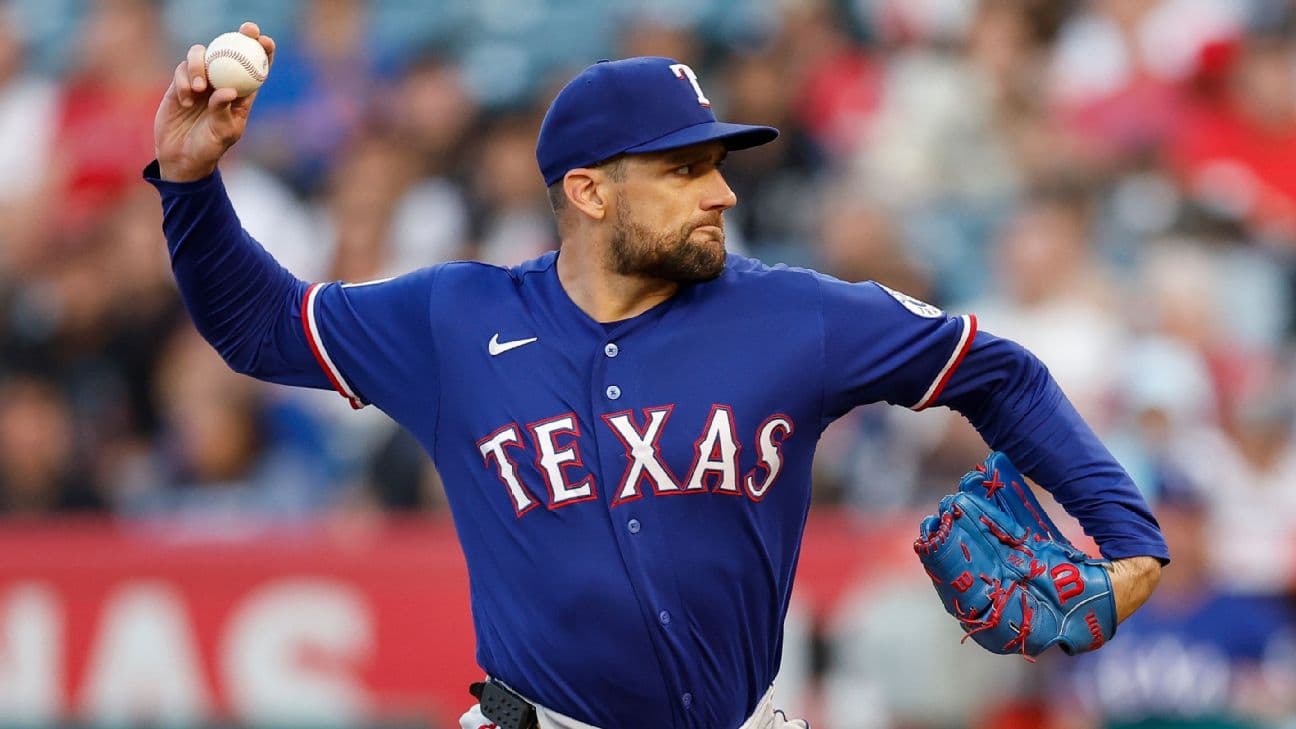
Nathan Eovaldi threw a live batting practice session of roughly 30 pitches this week and came out of it feeling good, which puts the Texas right-hander on track to return before the end of the regular season. He will not return as a starter. A multi-inning relief role is the realistic first assignment, with length to follow only if the calendar allows.
Eovaldi has been on the injured list since mid-August with right posterior elbow inflammation, an injury that surfaced when he felt discomfort playing catch and that imaging confirmed. The Rangers have discussed activating him without a minor league rehab assignment, which is the aggressive path and the one that makes sense for a team with games running out.
Why relief is the only realistic option
The math is simple and unforgiving. A starting pitcher who has not appeared in a major league game since mid-August needs a build-up sequence to be stretched to five innings: a live session, then one or two rehab outings, then a short major league start, then a normal one. Texas does not have enough calendar left to run that sequence and still get meaningful innings out of him.
A relief assignment skips most of it. A pitcher who can throw 30 pitches in a live setting can throw two innings in a game within a week, and two high-leverage innings from a pitcher of Eovaldi's quality is worth more to a team fighting for a division than four mediocre innings from a fifth starter would be.
There is also a health argument. Posterior elbow inflammation is an irritation injury rather than a structural one, but it responds badly to repeated high-volume outings on short rest. Shorter appearances with more recovery days between them is the workload pattern that keeps this kind of problem quiet.
What it means for Texas
The Rangers entered the weekend a few games behind Houston in the AL West, with the division as their realistic path rather than a wild card. That context is what makes the Eovaldi decision interesting: a team chasing from behind needs to maximize win probability in individual games, not innings totals over a month.
A bullpen that can hand two innings to a pitcher with Eovaldi's track record changes the shape of close games. It shortens the game for the starter, it removes the worst matchup from the middle innings, and it gives the manager a genuine option in the seventh when the lineup turns over for the third time.
What it does not do is fix the rotation. Texas has been patching the back end since Eovaldi went down, and adding him to the bullpen leaves that hole exactly where it was. The Rangers are betting that leverage matters more than length in September, which is a defensible bet and also an admission that the alternative is not available.
Fantasy fallout
For fantasy managers in the middle of head-to-head playoffs, Eovaldi's return is a negative in most formats. A pitcher who was drafted for starts and wins becomes a two-inning reliever with no path to a victory and no save opportunities, which is close to unusable in standard categories.
In leagues that count holds, or in points formats that reward strikeouts and innings without regard to role, he is a viable stream. The strikeout rate should hold up in short bursts, and relievers working in one and two-inning windows typically post better rate statistics than the same pitcher does as a starter.
The more actionable fallout is downstream. Whoever has been filling the Texas rotation spot keeps it, and the Rangers' existing high-leverage relievers lose some of their ninth-inning and eighth-inning share once Eovaldi is available. Managers chasing saves from the Texas bullpen should assume the picture gets murkier, not clearer.
Betting angle
The market prices team totals and run lines partly off the quality of the bullpen behind the starter, and it adjusts slowly to role changes announced in the days before a game. A Rangers bullpen with an additional multi-inning weapon is a better under bet in the late innings than the same bullpen was a week ago.
The more direct application is in live markets. Texas games in which the starter exits early have been a poor proposition all summer. If Eovaldi is genuinely available for two innings, the in-game price on the Rangers after a short start should be better than the market has been offering.
For the division market, Texas remains a long price and should. A single reliever does not close a multi-game gap in mid-September, and the Rangers need Houston to lose games they will not control.
The Verdexed model take
Pitcher projection systems handle role changes by adjusting expected innings and leverage index simultaneously, and the combination matters more than either alone. Eovaldi's per-inning projection actually improves in relief, because pitchers throw harder and post better rate statistics in shorter outings, but his total projected contribution falls sharply because the innings are not there.
The model's read on Texas is that the bullpen upgrade is worth a small but real improvement to the team's per-game win probability in close games, and effectively nothing in games that are decided early. That translates to a fractional improvement in division odds that does not change the overall picture.
What's next
Watch for the activation and for how Texas uses him in the first appearance. A single clean inning in a low-leverage spot means the Rangers are still testing the elbow. Two innings in a one-run game means they believe it, and that is the version worth caring about in any format.