The Bears Went From Field Goal Favorites to Nearly a Touchdown on Kyler Murray's Concussion
By Verdexed Analytics
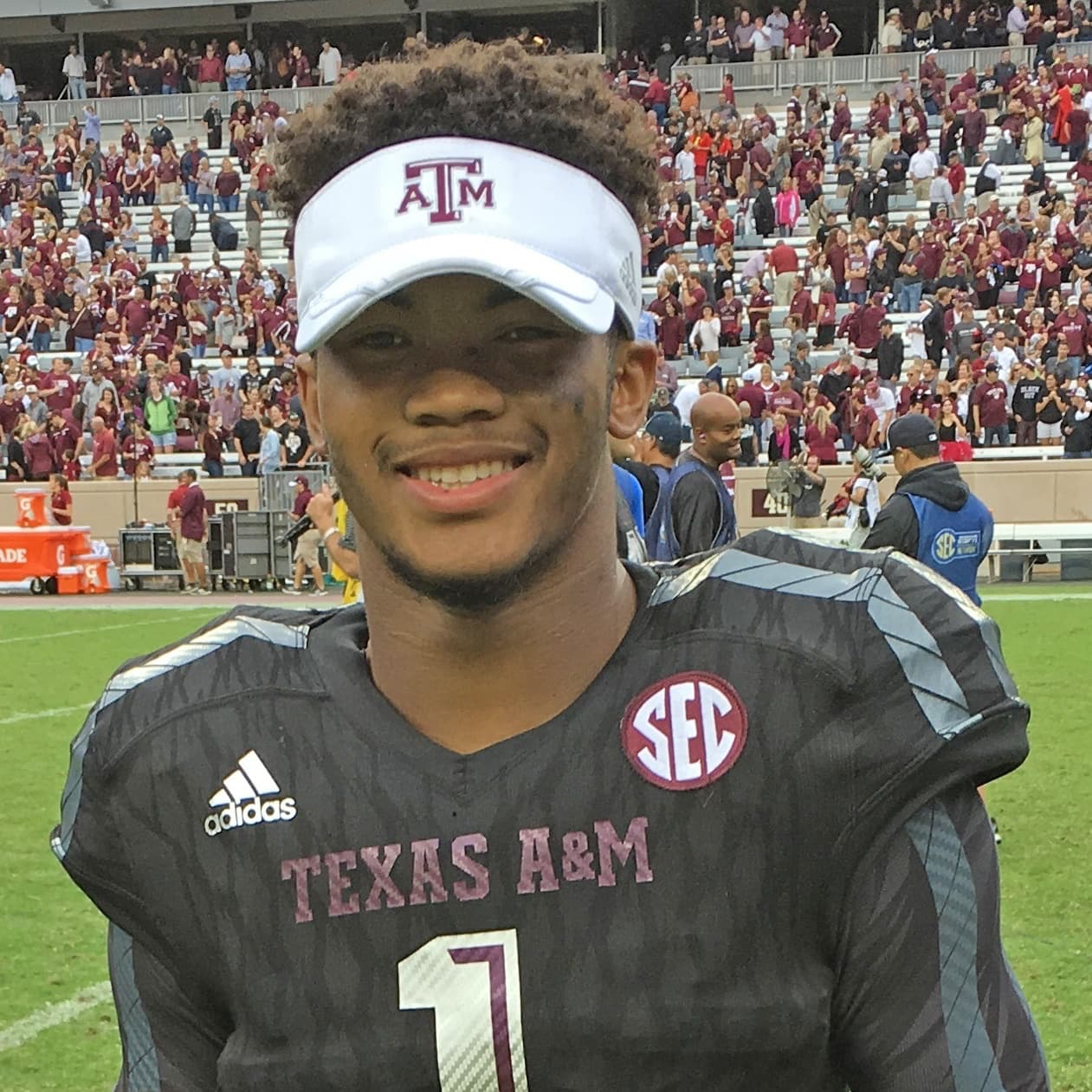
Minnesota's Week 2 trip to Chicago has moved roughly two and a half points since the lookahead line, from Bears -3 to Bears -5.5, with the total near 49.5. Two things drove it: Chicago's 59-point demolition in Carolina, and Kyler Murray's concussion, which leaves the Vikings unsure whether their starting quarterback clears protocol in time. Carson Wentz, who threw three touchdowns in relief in Minnesota's Week 1 win over Green Bay, is preparing to start. The question for bettors is whether a move that size is an overcorrection.
The protocol, not the injury, is the constraint
Murray left Minnesota's opener after taking a hit to the head while sliding and did not return. Minnesota is publicly uncertain whether he plays. That uncertainty is structural rather than medical: the NFL's concussion protocol has five stages, from symptom-limited activity through aerobic exercise, football-specific work, non-contact club drills, and finally full clearance by an independent consultant. A player cannot skip stages, and he cannot be cleared on a coach's say-so.
The practical read is that a quarterback who was removed early in a Sunday game and is still described as uncertain on Tuesday is unlikely to check every box by Friday. Not impossible, but the base case is Wentz. That is how the market has priced it, and it is the correct starting assumption for anyone setting a lineup.
What the market is actually paying for
A 2.5-point move on a quarterback change is on the high end of what the historical data supports for a starter-to-veteran-backup swap, and Wentz is not a replacement-level backup. He completed a comeback-quality performance against Green Bay with three touchdown passes. That is one game, but it is one more game of evidence than most backups have.
The other half of the move has nothing to do with Minnesota. Chicago put up a historically large scoring output in Week 1 with D'Andre Swift finding the end zone three times and Kyle Monangai clearing 100 yards. Markets overweight the most recent blowout, particularly in September, when there is nothing else to price. The question is how much of Bears -5.5 is a real assessment of Chicago's quality and how much is recency.
The model's answer: most of the Chicago half of the move is recency. A 59-point game is an outlier by construction, and the Panthers defense that allowed it is not a reasonable proxy for the Vikings defense. Minnesota beat Green Bay in Week 1 with its backup quarterback, which is a more transferable result than blowing out a bad team.
The Verdexed model take
The model prices this game closer to Chicago by three and a half to four than by five and a half, which makes Minnesota plus the points the side. The value comes from two adjustments the market appears not to have made.
First, the Wentz downgrade is smaller than a generic backup downgrade. He is an experienced starter on a roster with a functional supporting cast, and Minnesota's offense in Week 1 did not collapse when he entered. Second, the Chicago upgrade is larger than it should be. A single blowout against a weak opponent moves power ratings by less than the market implies, and the model's adjusted efficiency numbers for the Bears after one week are well short of what a 59-point afternoon suggests.
The total is a different story. At 49.5, the model is close to neutral, with a slight lean to the over if Murray is ruled out. That sounds backwards, but the logic holds: Wentz is a higher-variance, more aggressive downfield thrower than Murray, and Minnesota trailing means more pass attempts. Chicago's offense needs no help clearing its half of the number.
Fantasy fallout
Wentz is a legitimate streaming quarterback in a game with a 49.5 total against a defense that gave up a lot to a Carolina offense it should have handled. He is not a set-and-forget option, but as a one-week bridge, the volume and the game environment are both working for him.
The Minnesota pass-catchers are the more interesting play. A backup quarterback in a game his team is likely to trail produces raw volume, and Wentz's willingness to throw into tight windows raises the ceiling on the primary target while lowering the efficiency floor for everyone else. Start the top option, be cautious with the secondary pieces.
On the Chicago side, the Week 1 explosion creates a trap. Swift scored three times and Monangai went over 100 yards in the same game, which is not a repeatable split. Both are startable; neither should be projected off Week 1. The receiver room is where the sustainable value is, and Rome Odunze's calf situation is worth monitoring through Friday.
Betting angle
Minnesota plus 5.5 is the recommendation, with a strong preference for getting it at 5.5 or better rather than chasing it to 6. Key numbers matter here: the difference between 5.5 and 6 is small in raw probability but meaningful in a game the model prices near 4.
The alternative expression is the Vikings moneyline as a small-unit play. At a price in the +200 range, a team that beat Green Bay a week ago with the same quarterback likely to start is not a 33 percent proposition in the model's view.
Avoid the total. A game whose scoring profile depends on which quarterback plays and on whether Chicago's Week 1 output was real is not where to take a position before Friday's injury report.
What to watch before Sunday
Murray's practice participation on Wednesday and Thursday is the whole story. A full participation on Thursday would mean he has cleared the contact stage, and the line would move back toward the opener quickly. Limited or no participation through Thursday effectively confirms Wentz, and the number stays where it is or drifts a half point further toward Chicago as late money arrives.
Bet it before that clarity if you like the Minnesota number, because the move on confirmation runs against you either way.