Shohei Ohtani Sits With Left Knee Soreness as the Dodgers Play It Safe
By Verdexed MLB Desk
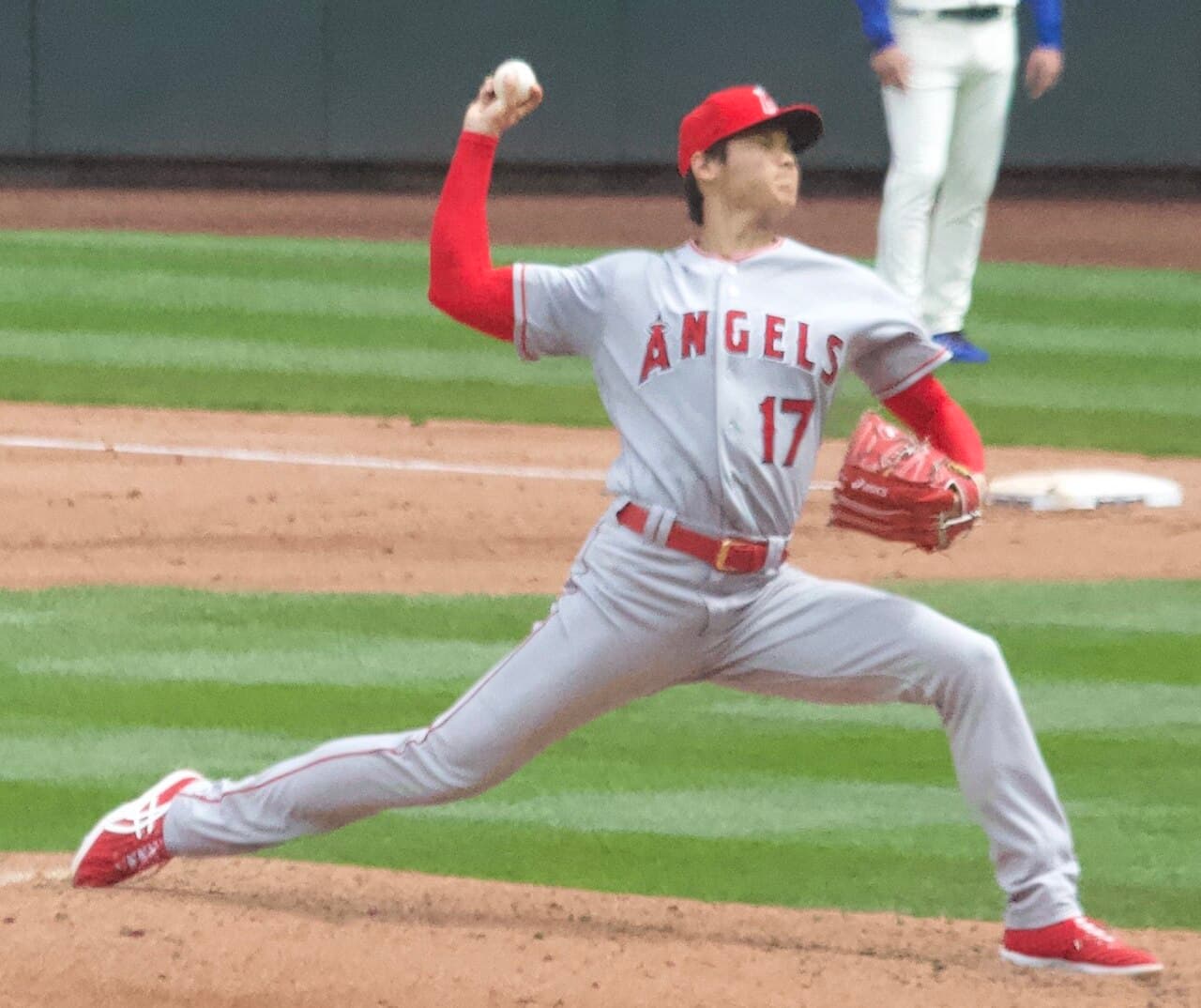
The Dodgers scratched Shohei Ohtani from Thursday's lineup against the Mariners with left knee soreness, a move manager Dave Roberts described as precautionary. Ohtani reported increased discomfort during pregame treatment, wanted to play, and was overruled by the team. He remained available as a pinch hitter, and Roberts indicated he expected Ohtani back in the lineup Friday.
The same left knee has kept Ohtani from pitching for close to a month. That is the context that turns a routine rest day into something fantasy managers need to track, because a knee that has already cost him one half of his value is now intermittently costing him the other half.
What is actually happening
Nothing has been reported that suggests structural damage, and the Dodgers have not placed Ohtani on the injured list. The pattern is soreness that flares, gets managed, and recedes, which is how teams handle chronic lower-body issues in players they need for October.
Los Angeles has been transparent that the pitching side is the injury's primary casualty. Ohtani was pulled from the rotation earlier in the summer and has been working back through bullpen sessions rather than through a rehab assignment, which is the slower and more conservative path. A hitter can play through knee soreness by adjusting his load. A pitcher cannot, because the drive leg is where velocity comes from.
The precautionary scratch is the Dodgers signaling that they will trade regular-season at-bats for postseason availability every time. That posture is correct for the team and expensive for fantasy managers, because it means more zero-production days between now and October than a healthy Ohtani would produce.
The fantasy fallout
For managers rostering Ohtani as a hitter, the practical cost is scattered rest days rather than an IL stint. That is annoying in weekly-lineup leagues, where a single scratch can leave a hole that cannot be filled, and manageable in daily-lineup formats.
For managers rostering him in leagues that count his pitching separately, the cost is larger and ongoing. A month without starts is a month of missing strikeouts and wins from a player drafted at a price that assumed both halves of the skill set. There is no realistic replacement for that on any waiver wire.
The counterintuitive point: Ohtani's bat has generally held up through this stretch. Managers evaluating a trade for him should be pricing the hitter and discounting the pitcher heavily rather than assuming the two-way production returns at full strength. A manager in your league who is frustrated by the scratches may sell one of the best hitters in baseball at a discount created entirely by his pitching absence.
The Dodgers context
Los Angeles enters the final weekend before Monday's deadline with a rotation that has been the team's defining problem all season. Blake Snell has been trending toward a return while Tyler Glasnow has not, and Ohtani's absence from the mound compounds a shortage the front office has been trying to solve externally.
That matters for the betting markets more than for fantasy. Dodgers game totals have been set high all summer on the strength of the lineup, and the pitching side of the ledger has repeatedly failed to hold up its end. A Los Angeles rotation that adds an arm before Monday is a different betting proposition than one that does not.
The lineup itself is deep enough that a single Ohtani rest day barely moves a team total. The Dodgers do not become a fade because their best hitter sits once, and any book that overreacts to the scratch by shading a total down is offering a stale number.
The Verdexed model take
Verdexed's model treats recurring soreness in a load-bearing joint as a persistent condition rather than a discrete event, which means Ohtani's projected games played for the rest of the season carries a haircut that will not go away when Friday's lineup is posted.
On the hitting side, the model's per-game projection for Ohtani is essentially unchanged. Knee soreness that permits playing does not meaningfully degrade the swing of a hitter with his profile, and our model finds no evidence in his batted-ball data this season that it has.
On the pitching side, the model's projection for Ohtani's remaining starts has been trimmed repeatedly over the past month and now sits near the low end of any reasonable range. Our model requires a rehab assignment or a confirmed rotation slot before it will restore innings to his projection, and neither exists yet.
The net effect on the Dodgers' championship odds is smaller than most people assume. Los Angeles projects as a playoff team on the strength of its lineup depth, and our model has never had Ohtani's pitching as load-bearing for that projection.
What to do in your league
Hold, and do not panic-start a replacement on a scratch day in a weekly league. The Dodgers' pattern this season has been one day off followed by a return, and Roberts said as much.
If you are shopping for a buy-low, this is the moment to ask. The right offer is one that pays for an elite hitter and gives you the pitching as a free option rather than one that pays for a two-way superstar. Managers who drafted Ohtani in the first round are, in many leagues, quietly frustrated, and frustration is the cheapest currency at the deadline in a fantasy league too.
What's next
Watch Friday's lineup. If Ohtani is in it, this closes as a rest day. If he is out again, the calculus changes quickly, because a two-day absence in a precautionary situation usually means the soreness is worse than announced.
The longer-term marker is whether Ohtani throws a competitive inning before September. Without that, the pitching half of his season is effectively over, and his fantasy value for the rest of the year should be evaluated as a designated hitter and nothing more.