 MLB2026-07-12
Shohei Ohtani to Miss the All-Star Game With a Knee Issue: What It Means for the Dodgers' Second Half
By Verdexed MLB Desk
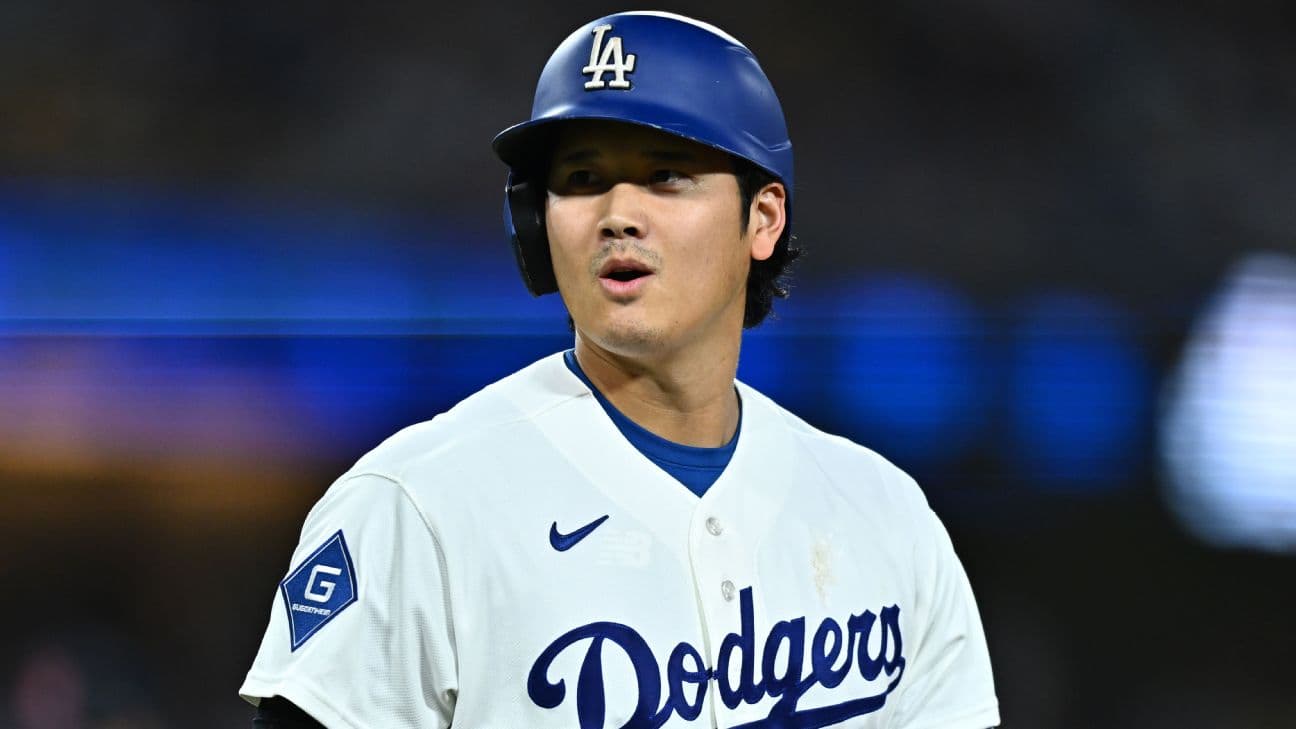
Shohei Ohtani will not participate in the 2026 All-Star Game and will skip his final scheduled start of the first half, as the Dodgers manage continued irritation in his left knee. Los Angeles plans to drain the knee after the weekend series and likely follow with an injection, a maintenance approach designed to set the two-way star up for the second half rather than a shutdown. For fantasy managers, the news is less about the missed exhibition and more about what it signals for Ohtani's workload the rest of the way.
The injury in context
The left knee is a familiar problem. Ohtani was sidelined in June with inflammation in the same joint and exited a game early that month because of it. It is also the knee he had surgery on in September 2019 to address a congenital condition. The team has framed the current issue as irritation to be managed, not a structural breakdown, and the plan to drain and inject the knee over the break is a routine intervention for a joint that flares under a heavy workload.
The reassuring part for managers is that Ohtani will still serve as the Dodgers' designated hitter through the weekend before the procedure, which suggests the bat is not in jeopardy. The knee is affecting his ability to pitch more than his ability to hit, and that distinction is the key to reading his rest-of-season projection.
The fantasy fallout
Ohtani's fantasy value is built on a foundation no other player offers: elite production as a hitter stacked on top of starting-pitcher counting stats. Any threat to the pitching side dents the ceiling that makes him a first-overall fantasy asset. Skipping a start and having the knee drained is a short-term dip, and the timing over the All-Star break minimizes the games lost. The Dodgers open the second half on the road against the Yankees, and the plan reportedly gives Ohtani four full days to recover before that series.
The more important question is what the knee means for his pitching cadence going forward. If the interventions restore his ability to take a regular turn in the rotation, his rest-of-season line remains the best in fantasy. If Los Angeles is forced to space out his starts, skip turns, or lean on him primarily as a DH for stretches, his value narrows toward that of an elite hitter without the pitching bonus. That is still a top-tier fantasy bat, but it is a meaningful downgrade from the two-way ceiling managers drafted.
The betting and Dodgers angle
For the Dodgers as a team, the maintenance plan is a bet on health over the long season. Draining and injecting the knee at the break rather than pushing through is a signal that the club prioritizes having a functional Ohtani in October over squeezing out every first-half inning. That is the correct organizational call, and it should not alarm bettors holding Los Angeles futures. The Dodgers remain built to contend, and managing a nagging knee for their franchise player is prudence, not panic.
The deadline wrinkle is real, though. A Dodgers roster uncertain about how many innings it can extract from Ohtani the pitcher has more incentive to add rotation depth before August 3. If Los Angeles is aggressive on the starting-pitching market, it will be partly a hedge against Ohtani's knee limiting his mound availability down the stretch. That makes the Dodgers a team to watch as a buyer, and any starter they acquire has a fantasy ripple effect on his rest-of-season role and win potential.
The Verdexed model take
Our projections treat Ohtani's bat and arm as separate inputs, and the knee news moves them differently. The hitting projection barely budges, since he is expected to keep DHing and the intervention is scheduled around the break. The pitching projection carries a wider range now, discounting his innings total modestly to account for the possibility of skipped or spaced starts. The blended rest-of-season value remains the highest in the game, but the confidence band around the pitching side has widened.
The DFS and daily-lineup angle
For daily-fantasy and best-ball-style managers, the knee news introduces a scheduling wrinkle worth tracking. On days Ohtani only hits, his DFS value is that of an elite bat, still a strong play but without the massive ceiling his two-way outings provide when he both pitches and hits. Those dual-role days are among the highest-upside plays on any slate, so knowing whether the knee limits him to DH duty is directly relevant to lineup construction and salary allocation.
The practical approach is to confirm his role on any given day before locking him in as a pitcher-hitter combo play. If the Dodgers space out his starts to protect the knee, the days he does take the mound become premium DFS spots precisely because they will be less frequent. Managers who track his pitching schedule closely can gain an edge on ownership, rostering him on his two-way days when others are unsure of his status. The injury does not remove his DFS appeal; it just requires a bit more diligence to time it right.
What to do in your league
Do not sell Ohtani in a panic. The bat is safe, the intervention is routine, and the break absorbs most of the missed time. The one action worth taking is monitoring his first pitching turn of the second half: if he takes a normal start on regular rest, the two-way ceiling is intact and you can hold with confidence. If the Dodgers begin managing his mound schedule, adjust your expectations toward an elite-hitter-plus-part-time-pitcher profile. Either way, he stays in your lineup every day, and the knee is a variable to track rather than a reason to move him.