Shohei Ohtani Is Targeting September 23 and the Dodgers Have Shut Him Down From Pitching
By Verdexed MLB Desk
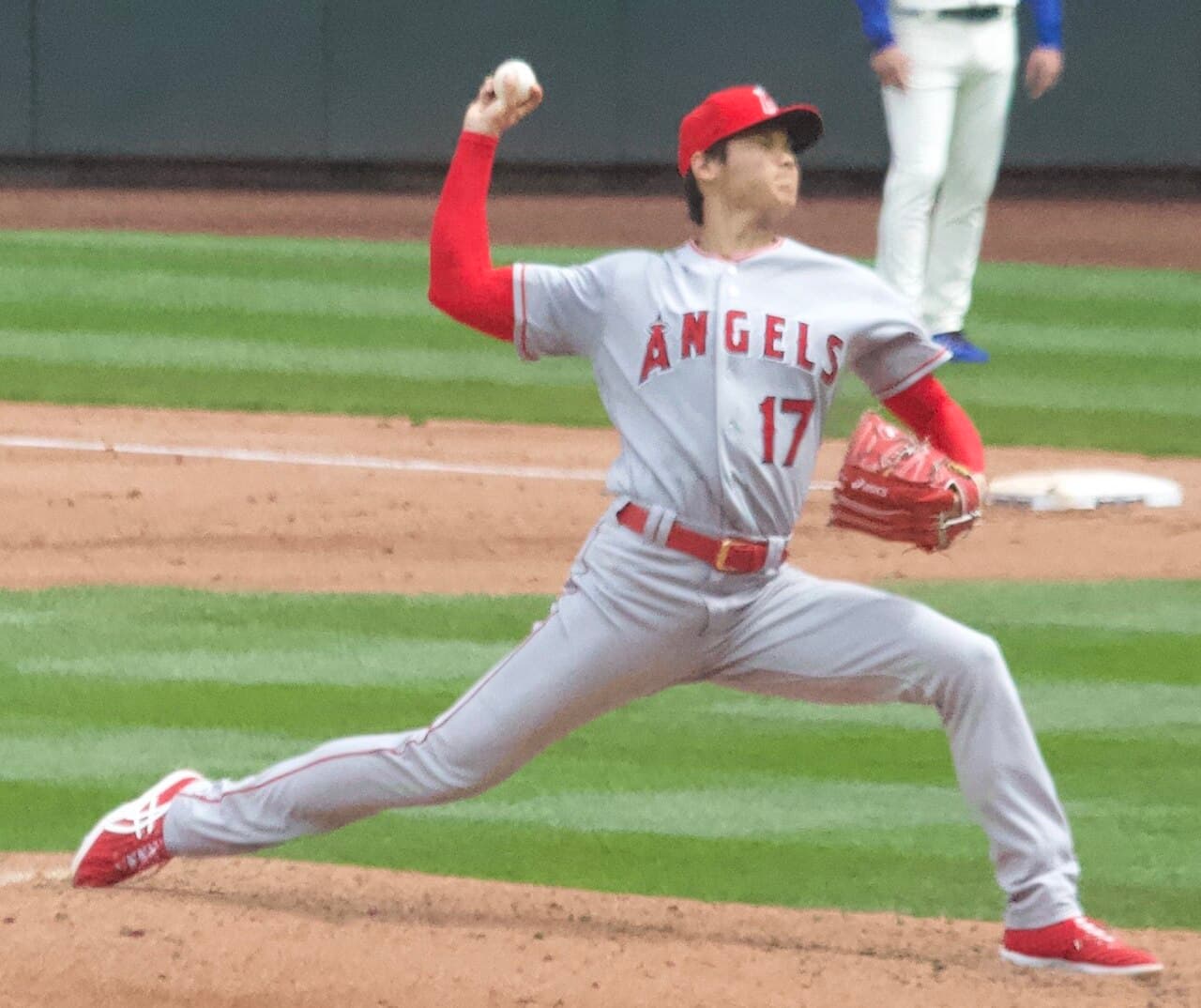
Shohei Ohtani has been on the injured list since a stint backdated to September 8, dealing with knee, biceps and neck issues, and Dodgers manager Dave Roberts has pointed to Wednesday, September 23 as the target for his activation. Ohtani has been shut down from pitching for the remainder of the season. If the September 23 date holds, he would have five regular-season games to get his timing back before the postseason begins.
Los Angeles has already clinched a postseason berth and has been on the verge of wrapping up the National League West. The competitive question is not whether the Dodgers play in October. It is what version of Ohtani shows up when they do.
What is actually confirmed
The IL stint is a 15-day placement, which is required for a two-way player rather than the 10-day version position players receive. Backdated to September 8, the earliest eligible return is September 23, which is precisely the date Roberts has targeted. That alignment means there is no cushion: any setback pushes the return past the target.
The pitching shutdown is the more definitive piece of news. Ohtani will not throw again this season, which removes an entire dimension from the Dodgers' postseason roster construction and from his own value as a fantasy and betting asset in October.
Roberts has offered an optimistic framing about Ohtani's availability, indicating he believes Ohtani would be in the lineup if the playoffs started immediately. That is a manager's statement of confidence rather than a medical clearance, and it should be read as such.
What it means for the Dodgers in October
The wild card round begins September 29 and the Division Series begins October 3. A Dodgers team that wins the West would skip the wild card round, which is the outcome that matters most for Ohtani specifically: it buys him four additional days of rest and preparation between his return and his first meaningful game.
Five regular-season games is a thin runway for a hitter returning from a multi-part injury. Timing at the plate is the slowest thing to come back, and hitters returning from IL stints of this length routinely need two weeks of at bats before their production stabilizes. A player who returns on September 23 and starts a Division Series on October 3 would be roughly 10 days into that process.
The knee is the part of the injury profile that should concern Los Angeles most in a postseason context. Neck and biceps issues affect a hitter's comfort and his swing. A knee affects his ability to drive off his back leg, which is where power comes from, and it affects his baserunning, which has been a meaningful part of his value.
The Verdexed model take
The model's position is that the market has probably over-adjusted the Dodgers' October price on the Ohtani news and under-adjusted their lineup projection.
Those sound contradictory. They are not. A team's championship odds are driven overwhelmingly by starting pitching in a short series, and Los Angeles acquired Tarik Skubal at the deadline, which means the rotation is the strength regardless of what the lineup does. An Ohtani who returns at 80 percent still occupies a lineup spot that would otherwise go to a replacement-level bat, so his presence is a clear positive for the offense even in a diminished state.
The more precise concern is roster construction. The Dodgers have already faced difficult decisions elsewhere, with Edwin Diaz's place on the playoff roster publicly unsettled and Roki Sasaki's October role undefined. An Ohtani who cannot pitch removes the flexibility that made those decisions easier in past years, because a two-way Ohtani effectively gives a team an extra roster spot. Without it, every bullpen and bench choice gets harder.
For bettors, the practical read is that the Dodgers' World Series price is more attractive now than it was in early September, not less, provided you believe Ohtani returns as a functional designated hitter. The market moved on the injury. The rotation, which is what actually wins short series, did not change.
Fantasy fallout
For anyone who rostered Ohtani into a fantasy championship week, the situation is grim and the answer is simple: he is not returning in time to help, and the roster spot needs to be reallocated now.
For dynasty managers, the pitching shutdown is the only piece of information worth building a view around. A two-way player who has now had his pitching season ended early is a player whose two-way future carries more uncertainty than it did in the spring, and that uncertainty should be reflected in his price, even at the top of the board where prices rarely move.
The bat is not in question. A healthy Ohtani remains the most valuable offensive asset in fantasy baseball. The question is how many innings the pitching side contributes in 2027, and nobody, including the Dodgers, can answer that in September.
What is next
The activation date is the checkpoint. If Ohtani is in the lineup on September 23, the Dodgers get the runway they planned for. If the date slips even a few days, the calculus changes materially, because the difference between eight at bats and twenty before a Division Series is the difference between a hitter finding his timing and a hitter searching for it in October.
The second checkpoint is the West. Los Angeles wrapping up the division removes the wild card round from the schedule and gives Ohtani the extra days. A team forced into a best-of-three with a designated hitter who has played five games in three weeks is a meaningfully worse bet than the same team with a bye.