 NFL2026-08-29
Nine Week 1 Games Opened Inside a Field Goal and That Is Where the NFL Betting Value Lives
By Verdexed Analytics
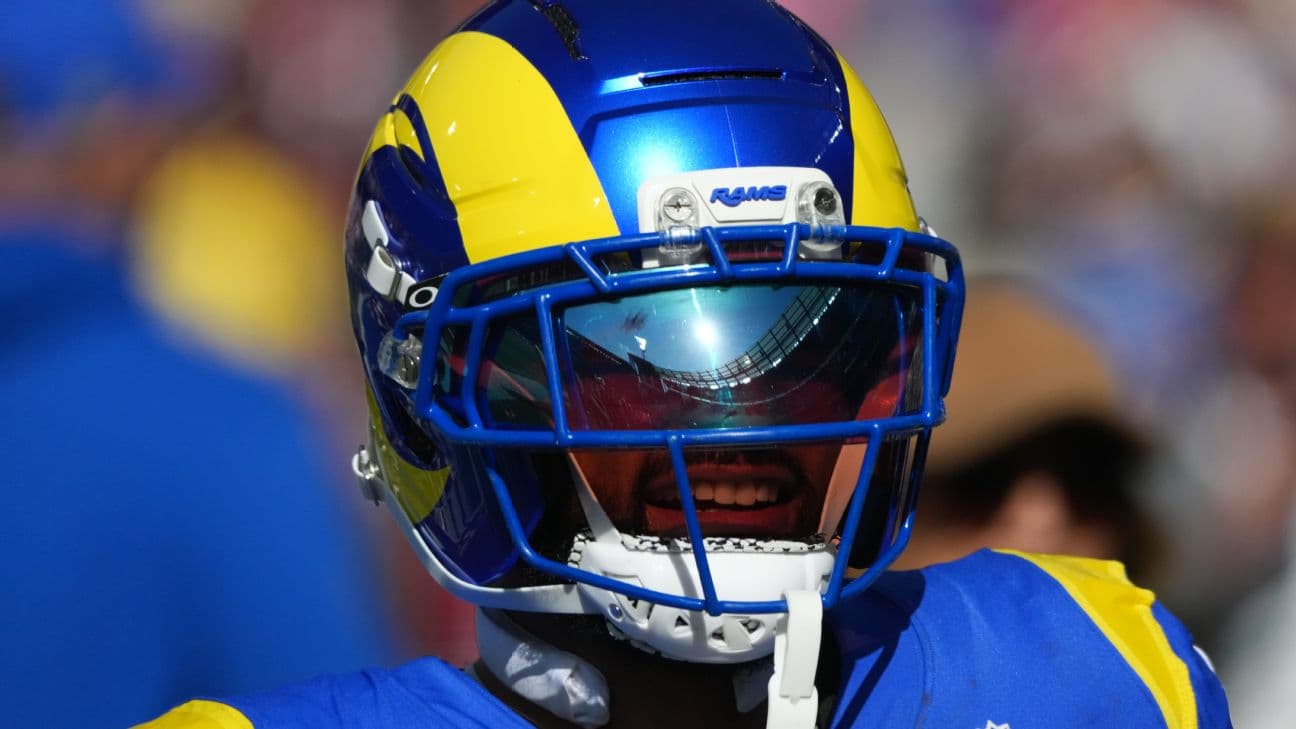
The 2026 NFL season kicks off Wednesday, September 9, with New England at Seattle in a Super Bowl LX rematch, and the Seahawks opened as roughly 4.5-point favorites. What is more interesting than that number is the shape of the rest of the slate: nine of the sixteen Week 1 games opened with a spread of a field goal or less.
That is an unusual amount of market uncertainty for an opening weekend, and it creates a specific kind of betting opportunity that disappears by Week 4.
The slate, in brief
Week 1 opens on a Wednesday, runs through a full Sunday card on September 13, and closes with Denver at Kansas City on Monday, September 14. The Chiefs opened as roughly a 2.5-point favorite in that one.
The extremes are at the top and bottom. The Chargers opened as an 11.5-point favorite over Arizona, reported to be the largest opening-week spread since 2012. Detroit opened around a touchdown at home against New Orleans, and Jacksonville around a touchdown at home against Cleveland. Dallas opened a short favorite over the Giants.
The Rams and 49ers play the league's first regular-season game in Australia, a Melbourne kickoff that adds a travel variable neither side has faced before.
Everything else clustered inside three points.
Why Week 1 spreads are the least accurate of the season
Sportsbooks price Week 1 with the least information they will have all year. Preseason results are close to meaningless, starters barely play, and the most predictive input available, current-season performance, does not exist yet.
That forces books to lean on three things: last season's results, offseason roster movement, and public perception. The first is stale by September, the second is hard to weight, and the third is systematically biased toward well-known franchises.
The result is a market that is unusually soft and unusually reactive. Lines move further on Week 1 news than on equivalent news in November, because there is nothing else to anchor them.
A slate with nine games inside three points amplifies that. When a line sits at 2.5, a single injury designation or a confirmed starter announcement is worth more than a point, and the books will move before most bettors have processed the news.
Where the edge actually is
Three categories are worth attention this week.
The first is late injury information. The cutdown deadline is Sunday, August 30, and the first official injury reports of the regular season land the following week. A team that loses a starting offensive lineman on waivers weekend is a team whose Week 1 number has not caught up.
The second is coaching change adjustment. Teams with new play-callers are the hardest to price in September, because the market has no data on the new system and defaults to last season's team profile. That cuts both directions and it produces the largest errors of the season.
The third is the travel game. The Melbourne kickoff has no modern precedent in this exact form, and both teams are dealing with it. Markets price novel logistical situations badly, usually by overreacting to the narrative rather than the mechanics.
The Verdexed model take
Verdexed's approach to opening weekend is deliberately conservative on sides and more aggressive on totals, and the reasoning is straightforward.
Sides in Week 1 require an accurate view of team strength that nobody has, including the model. Preseason priors carry heavy uncertainty and the honest confidence interval on any team's true rating in early September is wide enough to swallow most three-point edges.
Totals are different. Week 1 has a well-documented tendency toward lower scoring than the season average, driven by offensive timing that has not been game-tested, conservative play-calling, and defenses that are ahead of offenses in the calendar. That effect is more stable across seasons than any individual team rating, which makes it the safer place to take a position.
The model's preference on this slate is unders in games between teams with new offensive coordinators, and small positions on the underdog side in the nine one-score games, where the market's uncertainty is greatest and the vig is the primary obstacle rather than the line itself.
The Chargers' 11.5 is the number most likely to be wrong in either direction, and it is the one the model has the least confidence in. Double-digit Week 1 favorites have a poor historical record against the number, but the sample is small enough that it is not a rule.
What it means for your card
Bet less in Week 1 than you plan to bet in Week 6. That is the single most useful piece of advice available in late August, and almost nobody follows it.
Prioritize totals over sides. Prioritize games where you have information the market has not absorbed, which in this window means waiver-weekend roster news and confirmed starter announcements.
Avoid parlaying nine coin-flip games together because the slate happens to be full of them. A card of one-score games is a card designed to punish correlated confidence.
What is next
Rosters finalize Sunday evening. Waiver claims process Monday afternoon. The first official injury reports arrive the following week, and every number on this slate will move at least once between now and kickoff.
The lines that exist today are the least informed lines of the entire season. That is the opportunity and the warning at the same time.