 NHL2026-07-06
NHL Free Agency's Second Wave: Patrick Kane's Buffalo Buzz Headlines the Bargains Still on the Board
By Verdexed NHL Desk
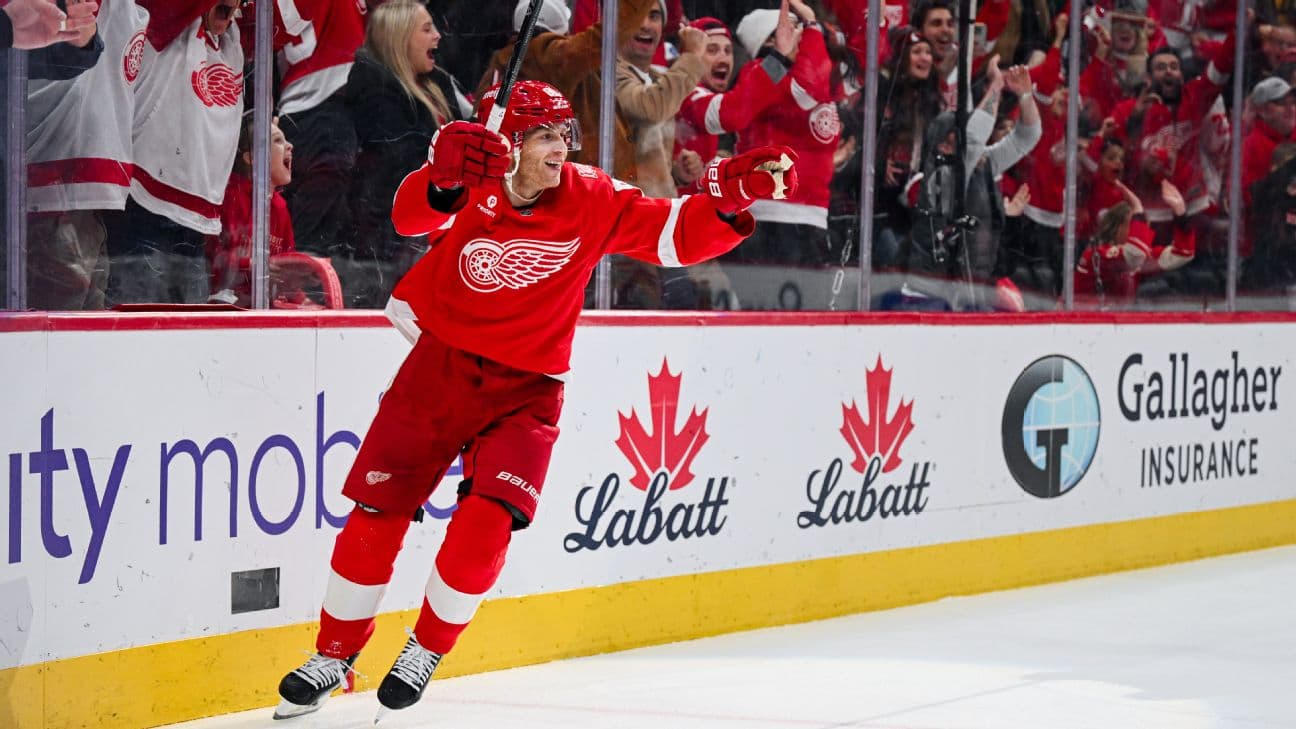
The opening rush of NHL free agency has passed, the big money is spent, and the remaining market is where cap-savvy teams and fantasy managers find value. The headliner of this second wave is a future Hall of Famer reportedly headed home: Patrick Kane, per multiple insiders, is closing in on a deal with his hometown Buffalo Sabres. Behind him, a group of proven scorers including Anthony Mantha and Michael Bunting remains available at prices that should come in well below the frenzy's early overpays.
Here is the state of the board and the fantasy angles worth tracking.
Patrick Kane's homecoming
Kane is the most notable name still on the market, and the buzz around a Buffalo return has grown loud. Reporting from several insiders indicates the Buffalo native is expected to sign with the Sabres on a short-term deal, with sources close to the situation pointing toward a homecoming this fall. As always with unsigned free agents, the deal is not official until it is announced, so treat it as a strong report rather than a done deal.
The fit makes sense on multiple levels. Buffalo has a hole to fill after trading Alex Tuch to Washington in a sign-and-trade, and Kane, who posted better than a point-every-other-game pace last season with Detroit and led all remaining free agents in assists, would slot onto the power play and add playmaking to the Sabres' top six. For fantasy managers in leagues that value points and power-play production, a healthy Kane on a team that needs his offense is a late-round asset worth monitoring the moment the ink dries.
Anthony Mantha, the best scorer still available
If Kane is the biggest name, Mantha may be the most productive available forward on a per-game basis. The 31-year-old winger is coming off a career year with Pittsburgh, posting 33 goals and 64 points in 81 games, the kind of volume production that plays in any fantasy format. The caveat, and the reason he remains unsigned, is a track record of injury and inconsistency that makes the career year look more like a peak than a new baseline.
For fantasy purposes, that is a calculated gamble worth taking at his likely price. A winger who just scored 33 goals is a genuine bet-on-upside target in deeper leagues, and his landing spot will determine whether he lands in a scoring role that lets him approach that production again. Track where he signs and how high in the lineup he slots.
Michael Bunting and the middle-six value
Bunting rounds out the notable names as a middle-six winger with a distinct style. The 30-year-old is coming off a more modest season in Dallas, but he remains an agitating, net-front presence who can chip in secondary offense and power-play minutes on the right team. He is not a fantasy centerpiece, but in deep leagues that reward hits, penalty minutes, and power-play looks, a productive Bunting role carries streaming value.
The broader point is that the second wave is where role, not reputation, decides fantasy worth. A middle-six winger who lands top-six or power-play minutes is worth more than a bigger name buried in a fourth-line role.
The Verdexed model take
The Verdexed model treats the second wave of free agency as a value market, where the contracts are shorter, the prices are lower, and the fantasy upside comes from opportunity rather than pedigree. It views Kane's reported Buffalo fit as a genuine fantasy positive if confirmed, on the strength of the power-play role a needy Sabres top six would hand him. It flags Mantha as the highest-upside available scorer and the highest-risk, a bet the model would make only at a discount and only into a scoring role.
The model's broader read: the teams adding these players cheaply are the ones quietly improving their depth without denting their cap, and the fantasy managers who track the landing spots will find late-round scorers the market has already forgotten. Opportunity is the whole game in the second wave.
The cap context behind the bargains
The reason quality players remain available in July is not a lack of talent but a lack of space. After the frenzy's early overpays, many contenders have spent down to tight margins, which pushes the remaining names toward shorter, cheaper deals. That is a gift to cap-savvy teams and to fantasy managers alike, because it often lands a productive veteran in a bigger role than his price tag suggests.
The flip side is that these signings can take longer to materialize, as players and agents wait for a fit that offers both money and minutes. For fantasy purposes, patience is rewarded: the second-wave signing that slots a proven scorer onto a top power-play unit is exactly the kind of late-draft value that the market, fixated on the frenzy's headliners, tends to miss.
What to watch
Watch for the Kane signing to become official and for the role Buffalo hands him, because a top-six, power-play deployment makes him a fantasy add. Track Mantha's destination as the swing factor in whether his career year was a peak or a new level. And in deep leagues, monitor Bunting and the rest of the depth market for players who land in bigger roles than their names suggest. The frenzy grabs the headlines, but the second wave is where the value hides. Managers who check back on the wire in late July and August, after the market has moved on, will find proven scorers still available at replacement-level draft cost.