Matt Chapman Needs Season-Ending Core Muscle Surgery and the Giants Lose Their Everyday Third Baseman
By Verdexed MLB Desk
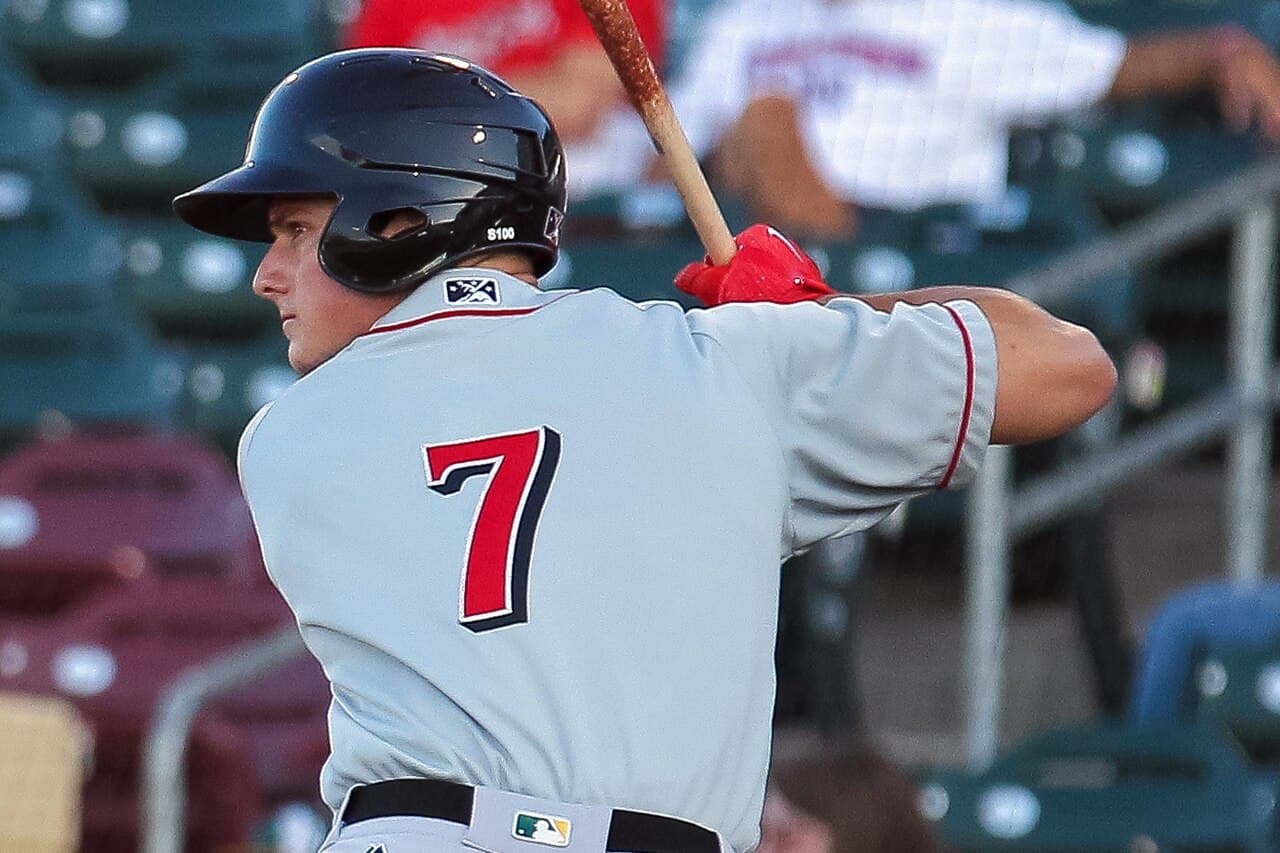
Giants third baseman Matt Chapman is set to undergo season-ending surgery to repair a hernia and core muscle tear, ending a 2026 campaign that never found traction. Chapman was examined Monday in Philadelphia by a specialist who confirmed the core muscle injury after a second MRI earlier in the week, and he stayed there for the procedure.
The season ends with Chapman having batted .235 with seven home runs and 42 RBIs across 84 games. Those numbers, for a player signed through 2030 on a reported six-year, $151 million deal, are the statistical residue of an athlete who spent months compensating for an injury that would not resolve.
The pattern behind the numbers
Core muscle injuries are among the most under-discussed performance killers in baseball because they rarely put a player on the injured list until they are severe. What they do instead is degrade rotational power, which is the entire foundation of a pull-side power hitter's swing.
Chapman's profile fits that pattern precisely. He is a hitter whose value has always come from elite defense at third base plus enough thump to matter, and the thump was the first thing to go. A seven-homer season across 84 games from a player with his track record is not a decline curve. It is an injury signature.
That matters for how to value him in 2027. Surgery to repair the underlying issue tends to restore power output more reliably than most procedures, precisely because the deficit was mechanical rather than degenerative. The dynasty read here should be considerably more optimistic than the raw 2026 line suggests.
Fantasy fallout
For redraft managers, the immediate task is replacement, and the third base market in August is not generous. Chapman owners in shallow leagues have likely already been streaming the position given his production, which softens the blow. In deeper formats where he was rostered on name value and defensive floor, this is a hole.
The internal path in San Francisco is the more interesting question. Whoever absorbs the everyday reps at third base for the Giants is picking up close to 50 games of playing time on a team still nominally in the National League wild card conversation, which means the at-bats will come in meaningful games rather than in a September audition.
That is the profile of a waiver-wire add worth a speculative claim in deep leagues: not because the player is good, but because the volume is real and the alternatives on most waiver wires are part-time.
The broader roster effect is a downgrade for the Giants' run environment. Losing an everyday corner infielder in August, on a team that has already navigated a busy summer of roster churn, thins a lineup that could not afford it.
The Verdexed model take
The model treats mid-season position player losses primarily through their effect on lineup-level run expectancy rather than through the individual player's rest-of-season projection, because the individual projection is trivially zero once a player is done.
Removing Chapman's projected plate appearances and replacing them with a league-average bench bat costs San Francisco a modest but non-trivial amount of projected runs per game. The bigger effect is defensive. Chapman is a multiple-time Gold Glove winner, and third base defense is one of the positions where the gap between elite and replacement level shows up most directly in run prevention.
Combined, the model shaves San Francisco's rest-of-season win projection and, correspondingly, its playoff probability. The Giants were already on the outside of the National League wild card picture looking in. This makes the climb steeper.
Betting angle
The market has been slow to reprice Giants games on position player news all season, which is typical. Books move aggressively on starting pitcher changes and sluggishly on everything else, and that asymmetry is where the model finds most of its baseball edges.
Two positions are worth watching. The first is Giants team totals in the coming week, which the model now projects below where they have been trading. The second is San Francisco's playoff futures, where the model's number has drifted meaningfully below the market's implied probability. Futures markets in August are illiquid and the vig is punishing, so this is a note rather than a recommendation.
For daily players, the more actionable version is that opposing starters facing San Francisco get a small bump in strikeout and quality-start projections. That is a marginal edge but it compounds across a full slate.
What it means
Redraft managers should drop Chapman immediately in leagues without an injured list slot and use the roster spot on the replacement getting the Giants' everyday reps, if that player is available.
Dynasty managers should do the opposite. This is the moment Chapman's dynasty price hits its floor: a lost season, a surgery, a hitter in his mid-30s on a long contract. The underlying case, that the power outage was mechanical and correctable, is exactly the sort of thing the market underweights when it prices a player off a bad slash line. Buy the discount if the cost is a mid-tier prospect.
What's next
The recovery timeline for this procedure typically runs weeks rather than months, which means Chapman should be a full participant in spring training. The signals to watch next February are pull-side exit velocity and the rate at which he is turning on inside fastballs, both of which are the earliest indicators that the rotational power has returned.
For San Francisco, the more consequential question is what the front office does this winter with a roster that has now lost a cornerstone infielder to injury in consecutive seasons. That is a hot-stove story, and it starts the moment this one ends.