Macklin Celebrini Signs a Five-Year, $94 Million Extension and Becomes the NHL's Highest-Paid Player
By Verdexed NHL Desk
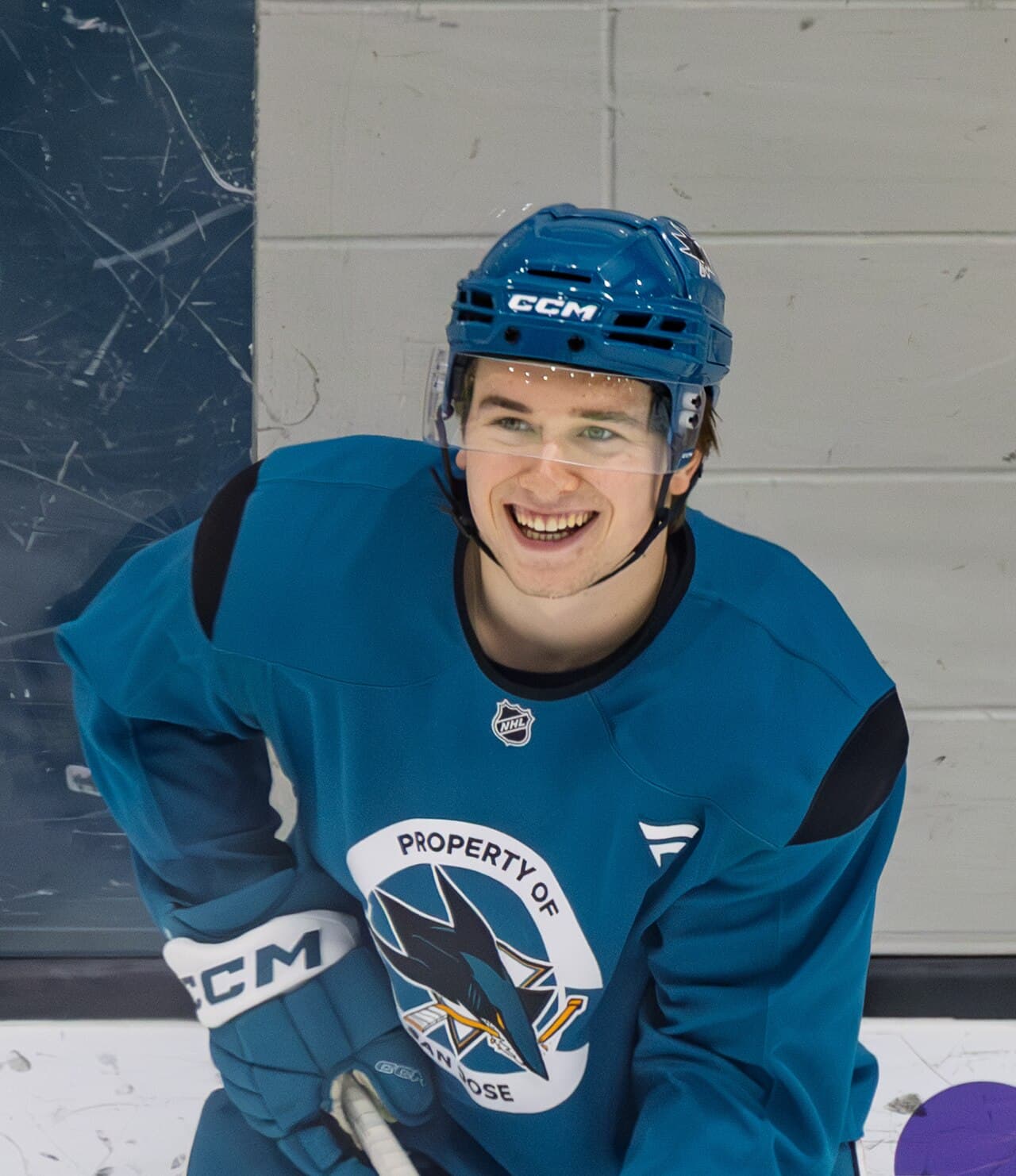
The San Jose Sharks signed Macklin Celebrini to a five-year contract extension worth $94 million, announced Wednesday, making him the highest-paid player in the NHL at an $18.8 million average annual value. The deal passes Leo Carlsson, whose five-year, $90 million contract at an $18 million cap hit was finalized earlier this month when Anaheim matched Philadelphia's offer sheet.
The number is enormous and, by the accounts that emerged around the signing, still a discount. Reporting around the negotiation indicated Celebrini could have commanded something closer to $20.8 million annually under the current cap structure, and that Sharks ownership was prepared to pay it. Celebrini made clear early that he wanted San Jose to retain flexibility to build a roster around him.
The season that earned it
Celebrini set the Sharks' single-season franchise points record in 2025-26 with 115 points, comprising 45 goals and 70 assists, while playing all 82 games. That combination of production and availability is the entire case for the contract. He is a first-line center who scores at an elite rate, drives play, and has not missed time.
For a franchise that has spent several years at the bottom of the standings accumulating draft capital, this is the transaction that converts a rebuild into a plan. The Sharks now have their franchise center under contract through the end of the decade at a number that will look increasingly reasonable as the salary cap rises.
The fantasy read
Celebrini was already a first-round fantasy pick in most formats, and the extension does not change his 2026-27 projection directly. What it changes is the organizational context around him, and that matters more than it appears.
Players on long-term deals with a franchise that has publicly committed to building around them tend to get the most favorable deployment available: first-line minutes, first power play unit, and the offensive zone starts that inflate point totals. Celebrini was already receiving that treatment. He will continue to.
The more useful fantasy question is what San Jose does with the flexibility Celebrini left on the table. A team with a genuine number one center and cap room is a team that adds finishing talent, and the linemate who ends up on Celebrini's wing is one of the most valuable unclaimed fantasy assets of the offseason. Mason Marchment, added earlier in the offseason, is the most obvious candidate to benefit.
The cap context that makes this deal
The Celebrini and Carlsson contracts land in the same summer for a reason. The NHL's rising salary cap has reset the top of the market violently, and the two players who happened to reach their contract moments in this window captured the increase.
Both are 21 or 22 years old. Both are centers. Both are being paid as the best player on their team for the next half-decade. That is a structural change from an era where the league's highest cap hits belonged to established superstars in their late twenties.
For fantasy managers in dynasty and keeper leagues, the implication is straightforward: the pricing of young star centers has permanently shifted upward, and the cost of acquiring one in a salary-cap fantasy format is going to rise to match.
The Verdexed model take
Verdexed's model does not adjust a player's on-ice projection based on his contract. What it does adjust is the team projection, and San Jose's improves modestly on the certainty this deal creates.
The specific mechanism is roster stability. Teams with their franchise center under long-term contract make different decisions in trade and free agent markets than teams operating with a pending contract hanging over them. San Jose can now spend to win rather than spend to retain, and the historical evidence is that this transition is worth real points in the standings over a two-to-three year horizon.
The betting application is limited for 2026-27, because the Sharks are not close to contention this season. Where it matters is in longer-dated markets. San Jose's future division and conference prices should tighten, and any book still pricing the Sharks as a perpetual bottom-five team is pricing a roster that no longer exists.
What to do in your league
In redraft fantasy hockey, draft Celebrini in the first round and do not spend a thought on the contract.
In dynasty leagues, he is untouchable, and any manager willing to sell him is worth calling immediately because the price they name will almost certainly be too low relative to a five-year runway of guaranteed first-line usage.
The actionable move is on his linemates. Target whoever San Jose lines up on Celebrini's wing in the preseason. Wingers attached to elite centers on rebuilding teams are systematically underdrafted, because the market prices the team rather than the deployment.
What's next
The Sharks still have roster work to do, and the flexibility Celebrini created by signing below his maximum is the point of the exercise. Watch how San Jose uses it, whether through free agency, trade, or by retaining its own young players as they reach their own contract windows.
The broader league-wide question this deal raises is what happens the next time a franchise center reaches a contract year. Celebrini at $18.8 million is now the ceiling, and it is a ceiling that will hold for approximately as long as it takes for the next elite young center to reach the same moment.
How the number compares across the league
Celebrini at $18.8 million and Carlsson at $18 million now sit above every established veteran in the league, which is a genuine inversion of how NHL contracts have historically been distributed. For most of the salary cap era, the top of the market belonged to players in their late twenties who had already produced multiple elite seasons.
Two things changed. The cap began rising sharply after a long flat period, and teams became more willing to pay for the front half of a career rather than the back half. A five-year term on a 20-year-old center buys the seasons in which he is most likely to be at his best, and it does so before he reaches unrestricted free agency.
The expected consequence is that the next tier of young stars reaching their contract windows will price off these two deals rather than off veteran comparables. For dynasty fantasy managers playing in salary cap formats, that repricing is the single most important structural development of the offseason, and rosters built on the assumption that elite young centers can be retained cheaply need to be reevaluated.
What it means
Celebrini is a first-round fantasy pick with a five-year runway of maximal deployment on a team that has publicly committed to building around him. Draft him accordingly, target his linemates aggressively, and expect San Jose's team-level projections to improve faster than the standings suggest.