 MLB2026-08-23
Andy Pages Fractured His Hand on a 100 MPH Fastball and the Dodgers Outfield Is Short Again
By Verdexed MLB Desk
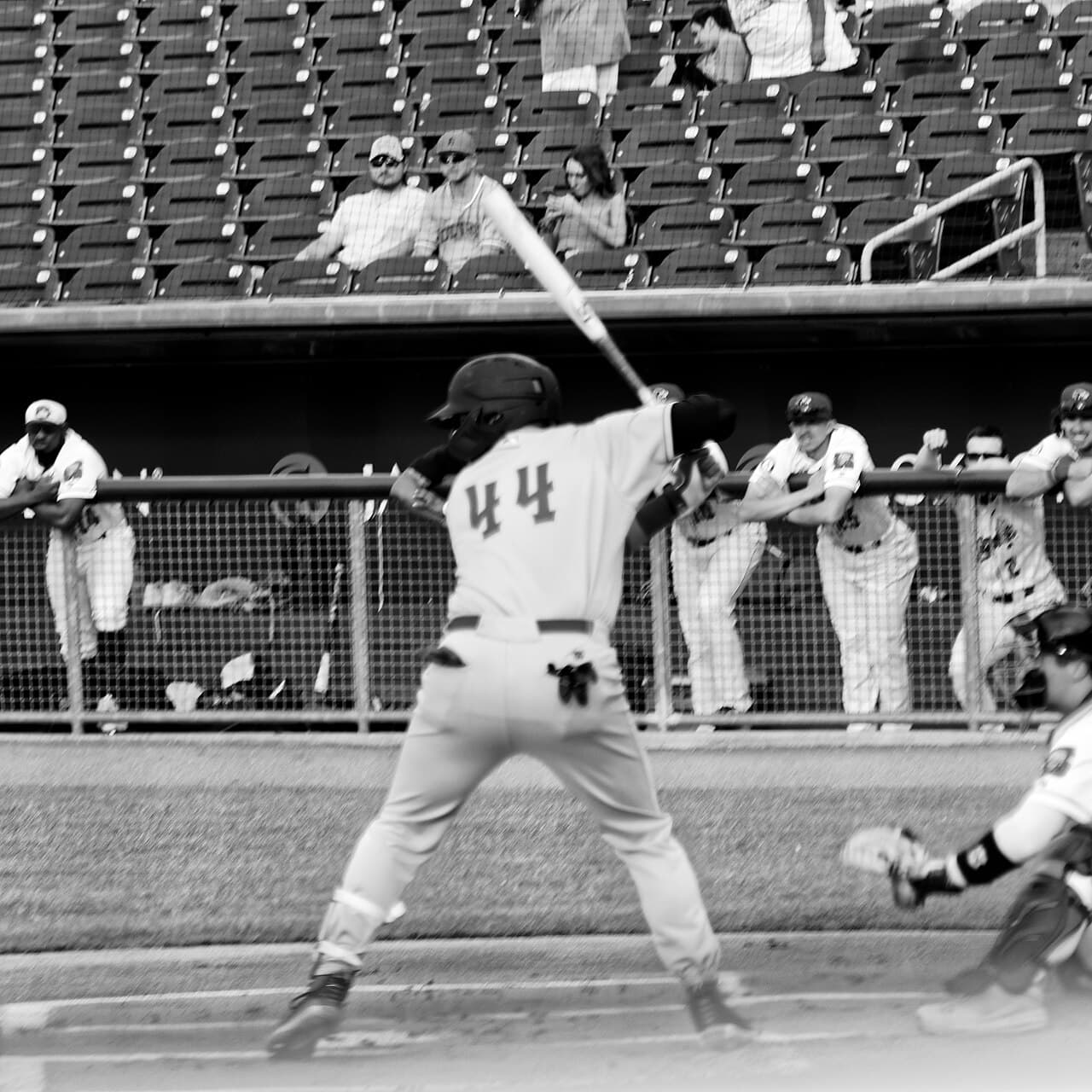
Andy Pages fractured his left hand when a 100.2 mph fastball from Pittsburgh's Bubba Chandler hit him on the back of it in the third inning Friday night. He stayed in long enough to reach third base, then came out of the game to start the fifth, replaced by Kike Hernandez. X-rays confirmed the break. Los Angeles placed him on the injured list Saturday and recalled outfielder Alek Thomas.
Manager Dave Roberts framed the timeline directly, saying it is not season-ending and putting the absence in the four-to-five week range. With roughly five and a half weeks left in the regular season, that is a return that lands somewhere between the final week and the start of the postseason.
What the Dodgers lose
Pages had been the everyday center fielder and an All-Star, and center field is the position on this roster with the least depth behind the starter. Hernandez covers it as a utility option and Thomas is a defensive-first replacement, but neither replicates the offensive production Los Angeles had been getting from the spot.
The more important consequence is structural. A team that loses a regular outfielder in late August has to choose between playing worse defense to keep bats in the lineup or accepting a lineup hole to keep the defense intact. Los Angeles has generally chosen the bats in these situations, which suggests more corner-outfield time for players who are stretched there and more days where the defense behind the pitching staff is a step slower than it was.
The injury also comes with a specific recovery wrinkle. Hand fractures in hitters are notorious for the gap between medical clearance and productive hitting. The bone heals on schedule; the grip strength and the ability to take a full swing without protecting the hand come back later. A player returning at the four-to-five week mark is often several weeks away from being the hitter he was.
Fantasy fallout
For anyone rostering Pages, this is close to a season-ending injury in practical terms. A four-to-five week absence from August 22 means a return in the last handful of games at best, in most head-to-head formats after the playoffs have started, and in roto formats too late to contribute meaningfully. The roster spot should go to someone who can play.
The replacement value is thinner than the headline suggests. Alek Thomas is a real major leaguer and will play, but a recall filling in for an injured regular on a contending team rarely gets the volume of at-bats that makes him fantasy relevant, and Los Angeles has enough position-player depth to spread the playing time around rather than handing one player the job.
The more actionable angle is on the Dodgers hitters who are not injured. A lineup missing a regular tends to concentrate run-scoring opportunities in the top of the order, which is a small positive for the RBI and runs categories for the players hitting around the hole. In a roto league fighting for counting stats, that is worth something.
For DFS, the read is a modest downgrade to Dodgers team totals in the short term and an upgrade to the leverage available on stacking them, because ownership tends to fall when a team loses a name and the offense underneath is still strong.
Betting angle
The Dodgers' postseason odds should barely move on this and probably will not. The market prices playoff probability off run differential and roster strength, and a four-to-five week absence for a regular outfielder on a deep roster is a small input.
Where it does show up is in game totals over the next month. A lineup with a replacement in center rather than an All-Star scores fewer runs at the margin, and daily totals are the market most sensitive to lineup composition. Bettors tracking Los Angeles game totals should note that the lineup projection has genuinely changed, even though the season-long numbers have not.
The other angle is on the return timeline itself. Roberts saying four to five weeks in the immediate aftermath of an injury is an initial estimate, and initial estimates on hand fractures skew optimistic more often than they skew pessimistic. Treat any market that prices Pages participating in the postseason with appropriate skepticism.
The Verdexed model take
Our lineup model recomputes a team's projected runs per game from the actual expected batting order rather than from a season-long team rate, which is why single-player absences move our daily projections more than they move consensus numbers. Removing Pages and inserting a replacement-level center fielder lowers the Dodgers' projected runs per game by an amount our system treats as actionable on totals, though not on sides.
On the season-long side, the model's Dodgers playoff probability is essentially unchanged. This is a roster with enough depth that no single position player outside the very top of the lineup meaningfully alters the October math.
The projection our model is most confident about is the recovery curve. We apply a post-return performance discount to hitters coming back from hand and wrist fractures that persists for several weeks past activation, based on the consistent historical pattern of suppressed power in that window. Anyone counting on Pages to contribute in the postseason should be counting on a diminished version.
What's next
The immediate item is whether Los Angeles makes another move before rosters expand in September. A team that just lost its center fielder and has an internal replacement it does not fully trust is the kind of team that looks at what shakes loose on waivers.
For fantasy managers, the instruction is clean. Drop Pages in redraft leagues that do not have an injured list spot. Hold him in dynasty, where a four-to-five week absence in an August is a non-event. And do not chase Alek Thomas on the waiver wire unless Los Angeles commits to him as the everyday option, which nothing so far suggests they will.