 NFL2026-09-02
Zay Flowers Is Tracking Toward Week 1 and Baltimore's Target Tree Is Intact
By Verdexed Fantasy Desk
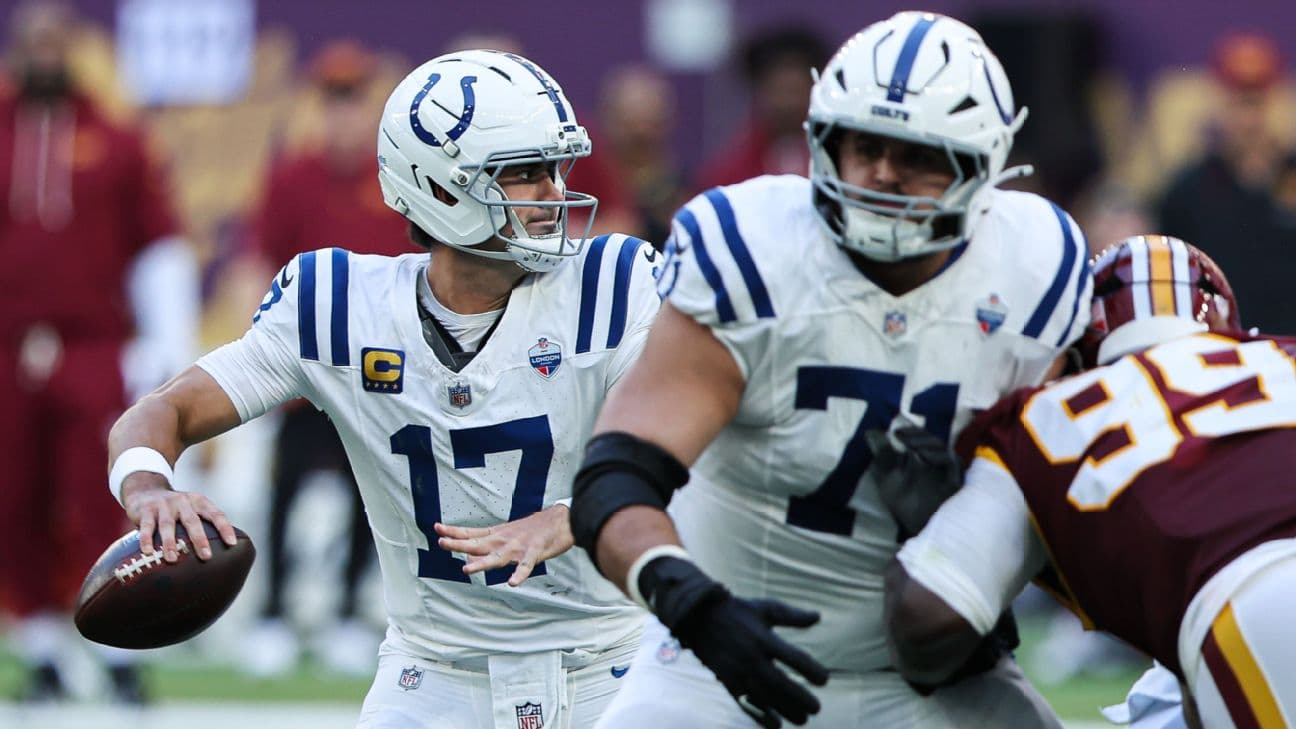
Zay Flowers is expected to return to full practice next week and be available for the Baltimore Ravens' season opener against the Indianapolis Colts on September 13, according to reporting out of Baltimore. Flowers has been in and out of practice throughout training camp with a lower-body issue that traces back to a left quadriceps bruise suffered in an August 8 session.
The Ravens have been deliberate about managing him. Flowers returned to the field a few days after the initial bruise but has not been a consistent full participant since, and the coaching staff has framed the approach in terms of prioritizing Week 1 health over August availability. That is the correct call for a football team and a frustrating one for fantasy managers who spent a premium pick.
What the injury actually is
A quadriceps contusion is a bruise, not a strain, and the distinction matters for how the recovery curve looks. Contusions heal on a predictable timeline and do not carry the recurrence risk that hamstring and groin strains do. What they do carry is a re-aggravation risk if the athlete takes another direct blow to the same area before the deep tissue has fully resolved, which is exactly why teams keep players in shells and out of full-contact team periods longer than the initial timeline suggests.
Nearly a month has passed since August 8. That is a long window for a bruise, and the length of the absence is the only genuinely concerning element here. Baltimore has described the situation as nothing major and has never suggested imaging revealed anything beyond the contusion. Taken together, the most likely explanation is straightforward load management on a player the Ravens cannot afford to lose in September.
Fantasy fallout
Flowers should be treated as a startable WR2 in Week 1 with the standard caveat that a Friday practice report showing anything less than full participation would move him to a game-time decision.
The bigger question is what his usage looks like in the season opener after a camp in which he took limited reps with the first-team offense. Receivers returning from extended absences frequently see a snap-count restriction in their first game back, even when they are listed without a designation. Baltimore has depth at the position and no incentive to run its top receiver into the ground in a Week 1 game it is favored to win comfortably.
That argues for pricing Flowers at the low end of his weekly range in the opener rather than at his season-long projection. In DFS, it argues for fading him at what will likely be moderate ownership, and for pivoting to the Ravens' complementary pass catchers who are more likely to be on the field for the full complement of snaps.
Lamar Jackson's fantasy value is not meaningfully affected. Jackson's production has never depended on a single receiver, and his rushing floor insulates him from the sort of passing-game disruption that would tank a pocket quarterback's week.
The betting angle
Baltimore opens as a solid favorite against Indianapolis, and our model agrees with the direction of the market while sitting slightly short of the number. The Colts enter the season with Daniel Jones under center and a receiver room whose Week 1 availability was itself only confirmed on Tuesday, which is not the profile of a team that keeps pace in a shootout.
The total is where the Flowers news matters. A Ravens offense that opens with a snap-limited top receiver and a comfortable lead is an offense that runs the ball in the second half. Our simulations show a meaningful cluster of outcomes where Baltimore wins by two scores in a game that stays under the number, and the current market total does not reflect that clustering.
The Verdexed model take
Our projections have Flowers as a back-end WR2 on a per-game basis, which is below where his average draft position sat in July. The gap is not about the quad. It is about target competition and about the structural reality that Baltimore's offense produces fewer passing attempts than nearly any comparable-quality unit in the league, because the quarterback is also the team's most efficient runner.
Fantasy managers consistently overpay for talent attached to low-volume passing offenses. Flowers is the cleanest current example. He is a very good receiver whose weekly ceiling is capped by an offensive structure that is optimal for winning football games and suboptimal for accumulating fantasy points.
That is a reason to be a seller at draft-day prices, not a reason to bench him. The model still projects him as a weekly starter in 12-team leagues, and a healthy Flowers in Week 1 is a start.
What's next
The item to watch is Wednesday's first official injury report of the regular season. Full participation would confirm the reporting and remove the game-time-decision risk entirely. A limited designation on Wednesday is normal and expected. A limited designation carried through Friday would change the recommendation.
Beyond the opener, the useful signal is snap count. If Flowers plays 80 percent or more of Baltimore's offensive snaps in Week 1, the camp absence is behind him and his projection should be set at his season-long baseline. Anything below 70 percent means the Ravens are still managing him, and the Week 2 price is where the real value gets decided.
The dynasty and best-ball read
Best-ball managers should be more comfortable with Flowers than season-long managers are. The format rewards spike weeks and forgives the quiet ones, and Flowers's profile in a low-volume passing offense is exactly the shape that best ball is built to capture: several enormous games driven by explosive plays, surrounded by weeks that a season-long manager has to actively start and watch.
In dynasty, nothing about a quad contusion changes a valuation. Flowers remains a young receiver on a rookie-scale contract attached to one of the league's best quarterbacks, and the offensive structure that caps his weekly fantasy ceiling is also the structure that has kept Baltimore in contention every year. Managers looking to buy a young receiver at a discount created by an August injury will find the window closing the moment he posts a full practice.