 NFL2026-09-05
Week 1 DFS: The Bengals-Buccaneers Stack Is Chalk and the Leverage Is Everywhere Else
By Verdexed Analytics
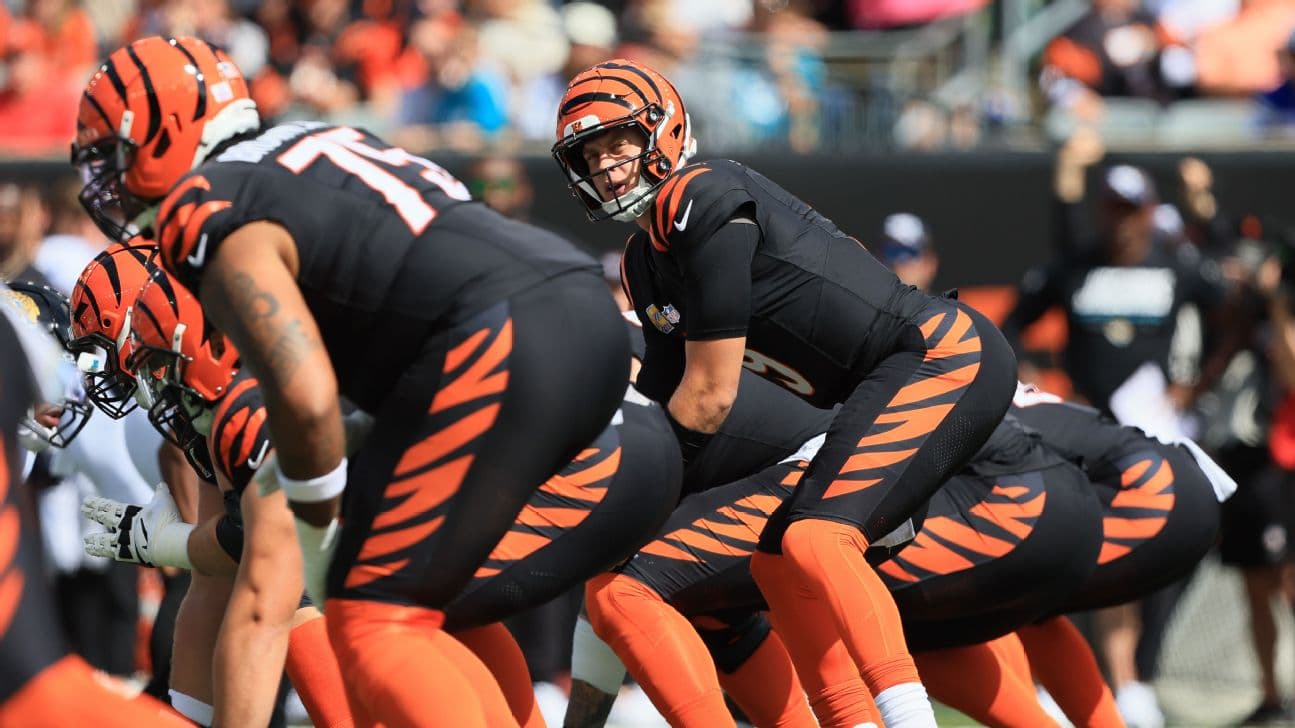
DraftKings released its Week 1 main-slate pricing, and the shape of the board tells you how to build before you look at a single projection. Jahmyr Gibbs is the most expensive player on the slate at $8,000. Josh Allen tops the quarterback position at $7,000. And 547 of the 715 priced players cost $4,000 or less.
That last number is the one that should change your lineups. When three quarters of the player pool sits at the minimum tier, the slate is not about finding value. It is about deciding which expensive players are worth paying for and how much ownership you are willing to share.
The chalk is obvious and it is correct
Cincinnati hosting Tampa Bay carries the highest total on the Week 1 board, and the pricing reflects it. Joe Burrow at $6,900 to Ja'Marr Chase at $7,800 is the most expensive quarterback and No. 1 receiver pairing on the slate at $14,700 combined. The Tampa Bay side, Baker Mayfield at $5,900 to Emeka Egbuka at $6,200, is meaningfully cheaper and gets you into the same game.
Both sides of this game will be heavily owned, and that is not a reason to avoid it. Chalk in Week 1 is chalk for a reason: it is the game the market has identified as most likely to produce points, and the market is usually right about which games those are. The mistake is not playing the game. The mistake is playing it the same way everyone else does.
Where the leverage lives
The differentiation in this game comes from the bring-back rather than the primary stack. Everyone will build Burrow with Chase. Fewer will pair that with the correct Tampa Bay piece, and fewer still will build the Tampa side as the primary.
Egbuka is the specific complication. He has been dealing with a toe injury since a mid-August joint practice, and his availability has been described as day-to-day with the coaching staff hopeful rather than confident. If he is active, his $6,200 price and depressed ownership make him one of the highest-leverage plays on the slate. If he is inactive, the players behind him become the cheapest exposure to the highest total on the board.
That is a decision you cannot make until the inactives post, which is precisely why it is worth making. Late-swap discipline is a real edge in Week 1, when injury information moves faster than the field can react.
Building around a compressed quarterback market
Allen at $7,000 as the most expensive quarterback means the position is priced flat. There is no quarterback whose salary forces a structural decision, which pushes lineup construction toward paying up at running back and receiver and finding a quarterback who fits.
The Chargers offer one of the cleaner cheap correlations available, with Ladd McConkey, Omarion Hampton, and Oronde Gadsden II all reachable in the same lineup. That is a full three-piece game stack that leaves room for two premium plays elsewhere.
Khalil Shakir at $4,800 is the kind of price that only exists in Week 1, before a season of production resets the market's view of a player's role. Sub-$5,000 receivers with defined roles are the backbone of every winning main-slate lineup, and the pricing this week is full of them.
The Gibbs question
Gibbs at $8,000 is the slate's most consequential single decision. Paying the highest price on the board for a running back locks in a structural constraint, and every lineup that includes him is playing a different game than every lineup that does not.
The case for paying is straightforward: he is priced at the top because he is the most likely player on the slate to produce a 30-point game, and in large-field tournaments you need those. The case against is that his ownership will be high enough that a 25-point game from him does not differentiate you, while the same salary spread across two mid-tier backs gives you more paths to a ceiling.
The honest answer is that both builds are viable, and the decision should follow your contest type. Single-entry and small-field play favors the Gibbs build. Large-field tournaments favor the spread.
The Verdexed model take
Verdexed's projections agree with the market on the Bengals-Buccaneers game being the slate's top scoring environment, and they agree that Gibbs carries the highest median projection at the position. Where the model separates is on ownership-adjusted value.
The model's Week 1 ownership projections show a concentration effect that is unique to the opening week: with no in-season data to differentiate players, the field converges on preseason consensus far more tightly than it does in October. That concentration means the leverage available from a correct contrarian call is unusually large right now, and the cost of being wrong is unusually small, because so many lineups are identical.
The practical output is a build the model prefers: one premium running back, the cheaper side of the top game stack, two sub-$5,000 receivers with defined roles, and a quarterback chosen for correlation rather than raw projection.
What to do
Play the top game, but play it from the Tampa Bay side or with an unusual bring-back. Get to at least two players priced under $5,000, because the pricing structure makes that free rather than costly. Decide on Gibbs based on your contest, not on his projection, which is not in dispute.
And leave yourself late-swap flexibility on Egbuka. The single largest edge available on this slate is knowing his status before your lineups lock while a meaningful share of the field does not.