The Stanley Cup Futures Market Cannot Agree on a Favorite for 2026-27
By Verdexed Analytics
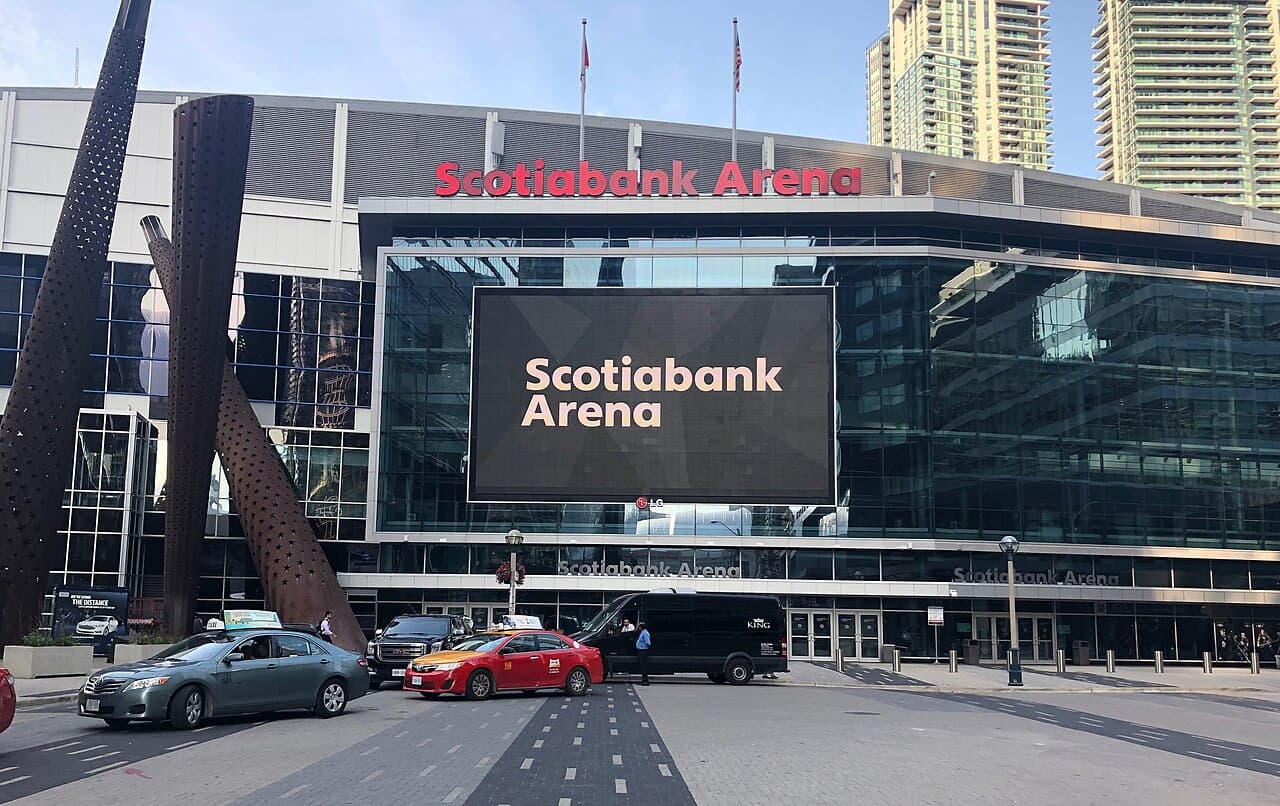
The 2026-27 NHL season opens September 29, and the Stanley Cup futures market has produced something unusual: no consensus favorite. Reigning champion Carolina has been listed around plus-700 at some books with Colorado near plus-800 and Vegas around plus-850. At others, Colorado sits on top with Carolina second. At least one book has had Florida as low as plus-640, which would make the Panthers the favorite outright.
That spread is wider than the futures market typically produces in August, and it is the single most actionable feature of the board. When books disagree on who the best team is by this much, at least one of them is wrong, and shopping the number is worth more than picking the winner.
Why Carolina is priced first at some books
The Hurricanes beat Vegas in six games to win the 2026 Stanley Cup, and they return the structural advantages that got them there: the league's most consistent possession profile, a deep forward group and a defensive system that has produced top-five expected-goals-against numbers for the better part of a decade.
The argument against is the one that has always applied to Carolina, which is goaltending. The Hurricanes have won at an elite rate in front of a rotating cast in net, and the rotating cast is a feature of the model rather than a bug. It also caps the ceiling in a playoff format where a hot goaltender decides series.
That is why the Hellebuyck situation matters to this market. Elliotte Friedman has repeatedly said he expects Connor Hellebuyck to be traded at some point while acknowledging things have been quiet, and the buzz has connected him to more than one contender. If Carolina were to acquire a Vezina-caliber goaltender before the deadline, the current plus-700 would look like a bargain in hindsight. That is a real possibility rather than a certainty, and it is not in the price.
Why Colorado is priced first at others
The Avalanche have the best top-end talent in the league on paper, and futures markets reward top-end talent more than they reward depth, because playoff hockey compresses rosters.
The complication in Colorado is contractual rather than competitive. Cale Makar's next contract has become one of the central storylines of the offseason, with recent extensions around the league resetting the comparables upward and making his eventual number larger than the club had planned for. That is a 2027 and 2028 problem, not a 2026-27 problem, and a book pricing Colorado as the favorite is correctly ignoring it.
The on-ice case is straightforward: a healthy Avalanche team with Makar driving play is the best version of any roster in the league, and the entire bet rides on health.
Florida, Vegas and the tier behind
The Panthers being listed as low as plus-640 anywhere reflects one specific piece of news: the Tkachuk brothers are teammates now. Consolidating that much forward talent onto a roster that already has a championship structure is the kind of move futures markets overreact to in August and often underrate by April.
Vegas around plus-850 is the most defensible price on the board. The Golden Knights lost the Final and return essentially intact, and losing finalists have historically been better futures value the following season than winning champions, because the market prices the banner rather than the roster.
Behind those four, the reported board has had Edmonton and Florida in an 11-to-1 range at some books and Tampa Bay near 12-to-1, with roughly a dozen teams inside 25-to-1. That is a deep field by recent standards, and depth in the futures board usually means the eventual champion is underpriced today.
The Verdexed model take
Our simulation runs the full 84-game schedule and postseason forward using roster-adjusted expected goals, and it produces a tighter top tier than the market does.
The model's largest disagreement with the consensus is on Vegas, which it prices closer to the top of the board than plus-850 implies. The reasoning is roster continuity: the Golden Knights return the group that reached the Final, and continuity is one of the more reliable predictors of playoff performance in a league where roster turnover is constant.
The model's second disagreement is a fade of Carolina at plus-700 without a goaltending upgrade. The Hurricanes' regular-season projection is excellent and their playoff projection is materially worse than their regular-season one, which is the historical pattern for teams built on volume shot suppression and committee goaltending. If Hellebuyck or a comparable starter arrives in Carolina, that fade flips immediately.
The third and most practical output: the model likes the field. With roughly 12 teams inside 25-to-1, the implied probability across the board sums well above 100 percent, which is normal, but the excess is concentrated in the top four rather than distributed evenly. That means the value is in the middle of the board rather than at the top.
The unsigned wild card
One market variable remains genuinely unresolved. Several restricted free agents of consequence remain unsigned in mid-August, including Adam Fantilli in Columbus, where the two sides have been reported to be apart on term and dollars with comparables from recent young-center extensions driving the gap.
Unsigned RFAs matter to futures markets in two ways. A player who misses camp costs his team early-season points, which compounds in a compressed 84-game schedule. And a player who is eventually traded rather than re-signed changes the projection of two teams at once.
None of the remaining unsigned names would move a Cup favorite by itself. Collectively, they are the reason to wait rather than to bet the whole position now.
What to do
Shop the number. When one book has Colorado on top and another has Carolina, and a third has had Florida at a shorter price than either, the same ticket is available at meaningfully different prices, and futures bets are held for eight months. A half-point of implied probability compounds over that horizon.
Take Vegas if you want one position at a fair price. Wait on Carolina until the goaltending question resolves. And keep powder dry for the first week of the regular season, when injuries from camp and the remaining unsigned contracts finally get priced in and the board moves more in seven days than it has in the last seven weeks.