The Dodgers Clinched the NL West and Cut Their Rotation to Four for October
By Verdexed MLB Desk
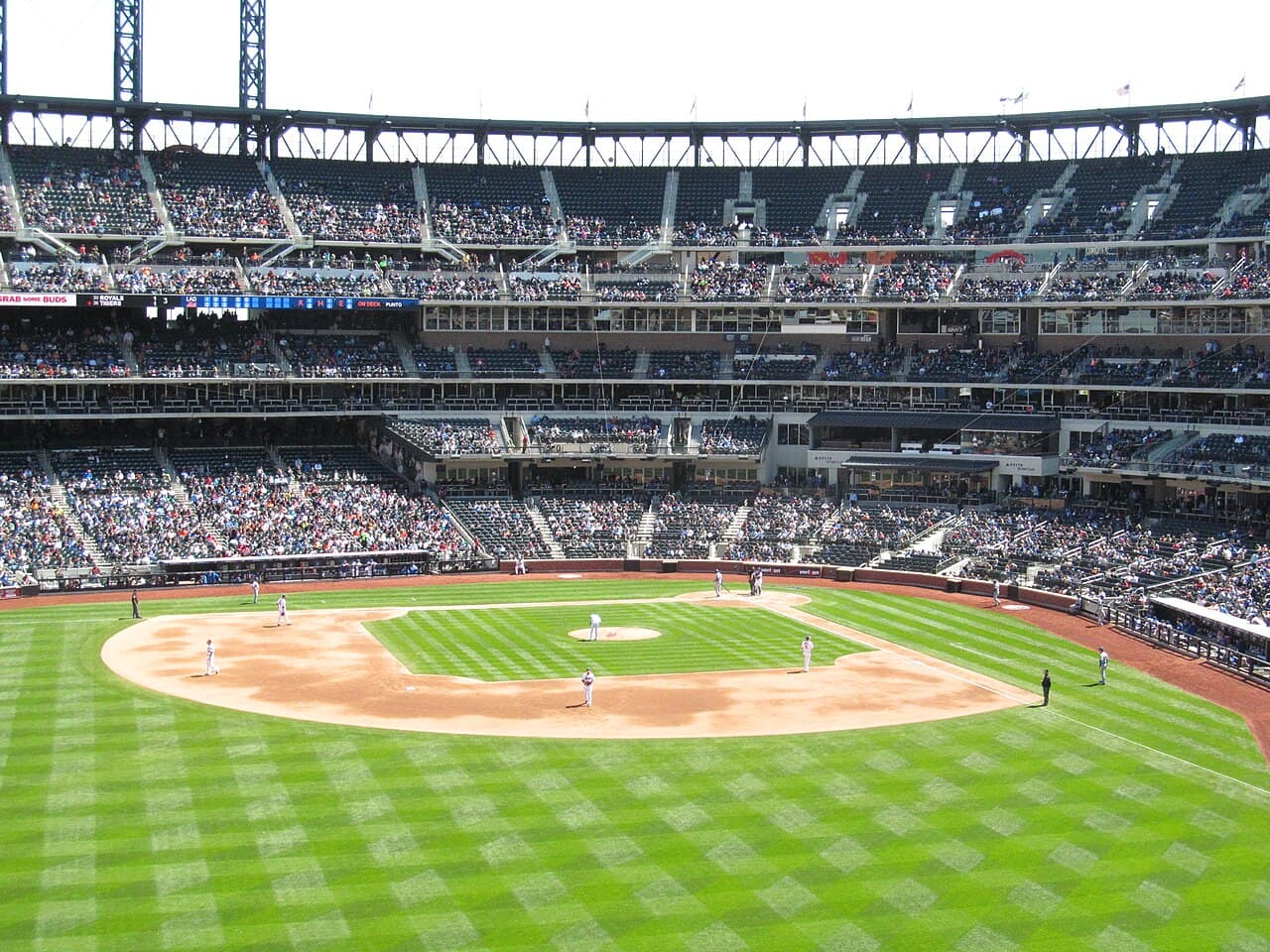
Los Angeles clinched its fifth consecutive National League West title with a win at Cincinnati, securing a 14th straight postseason berth in the process and tying an Atlanta franchise record for consecutive playoff appearances. The clinch came in the Dodgers' 153rd game, later than the 2022 version of this team needed and a reminder that the division was not the walkover the standings eventually made it look.
With the division settled, the more consequential work begins: figuring out which 26 players go on a Division Series roster and which four starters make up an October rotation.
The rotation is set and it is frightening
The Dodgers carried a six-man rotation for most of the season, a luxury afforded by depth and a necessity created by the workload management that a three-peat attempt requires. That group has been reduced to four fully stretched-out starters on the active roster: Yoshinobu Yamamoto, Tarik Skubal, Blake Snell and Tyler Glasnow.
Three of those four have carried earned run averages in the low twos or better, with Snell the most dominant of the group by that measure and Yamamoto close behind. Skubal, acquired from Detroit at the deadline in a blockbuster that sent outfielder Zyhir Hope and right-handers River Ryan and Brady Smith to the Tigers, gives the Dodgers a back-to-back American League Cy Young winner in the middle of the group.
Yamamoto projects as the Game 1 starter on the strength of last October's performance and his seniority in the organization, though the Dodgers have shown no reluctance to order a rotation by matchup rather than by reputation. Behind the four, Justin Wrobleski and Emmet Sheehan give the club length options out of the bullpen, which is how modern postseason pitching staffs actually work.
The Ohtani question
Shohei Ohtani has been shut down from pitching and is targeting a return to the lineup as a hitter in the coming days. That is the single largest variable in the Dodgers' October projection. A Los Angeles lineup with a healthy Ohtani in it is a different offense from the one that has been running out there, and the difference shows up most in the innings where a starter is tiring and one swing decides a game.
The secondary effect matters for roster construction. If Ohtani is a hitter only, the Dodgers carry an extra pitcher rather than absorbing the two-way roster efficiency he normally provides. That is a meaningful reshuffle of a Division Series roster, and it is why the club has been working through demotions and injury evaluations this week rather than coasting.
The Verdexed model take
Verdexed's model rates the Dodgers as the strongest team in the National League on a per-series basis despite sitting second in the standings behind Milwaukee. The reason is rotation concentration. Short-series models weight the quality of a team's top three starters far more heavily than they weight regular-season record, because the fourth and fifth starters barely pitch and the back of the bullpen shrinks to three or four trusted arms.
Los Angeles has the best top four in baseball by a comfortable margin under that framework. The model's projected series win probability against any National League opponent sits above what its seed would imply, and the gap is largest against teams that won on bullpen depth rather than on starting pitching.
The one input that pushes the other way is the lineup's dependence on a small number of hitters. Postseason offenses fail in clusters, and a lineup that concentrates production is more vulnerable to a cold week than one that spreads it out. Ohtani's return reduces that risk rather than eliminating it.
Betting angle
Los Angeles is the value side in the National League pennant market relative to Milwaukee, which has shortened on the strength of the better record. Record is the wrong input for a short-series market, and the Dodgers' price reflects a seeding that will not matter until a potential Championship Series.
The three-peat angle is where the market may be overcorrecting in the other direction. No National League club has ever won three consecutive World Series, and that fact gets embedded in pricing as though history were a constraint on this roster. It is not. The correct read is that winning any single World Series is hard and that the Dodgers' probability this year should be assessed on this roster's merits.
For daily markets over the final week, fade the Dodgers' run lines. A clinched team plays its regulars less, pulls starters earlier and uses the bullpen to build innings for October rather than to win September games.
What's next
The roster decisions are the story for the next ten days. Watch who gets stretched out, who gets optioned, and whether Ohtani's return comes with any pitching component at all. Watch also for whether Milwaukee holds the top seed, because the Dodgers' path through the National League bracket depends on it.
The bigger picture is that Los Angeles built this roster in July for exactly this moment. The Skubal trade was not about winning the National League West, which the Dodgers were always going to win. It was about having three starters capable of winning a Game 7 on the road, and that is now what they have.