The Braves Clinched the NL East and Are Running Out of Time to Catch a Bye
By Verdexed MLB Desk
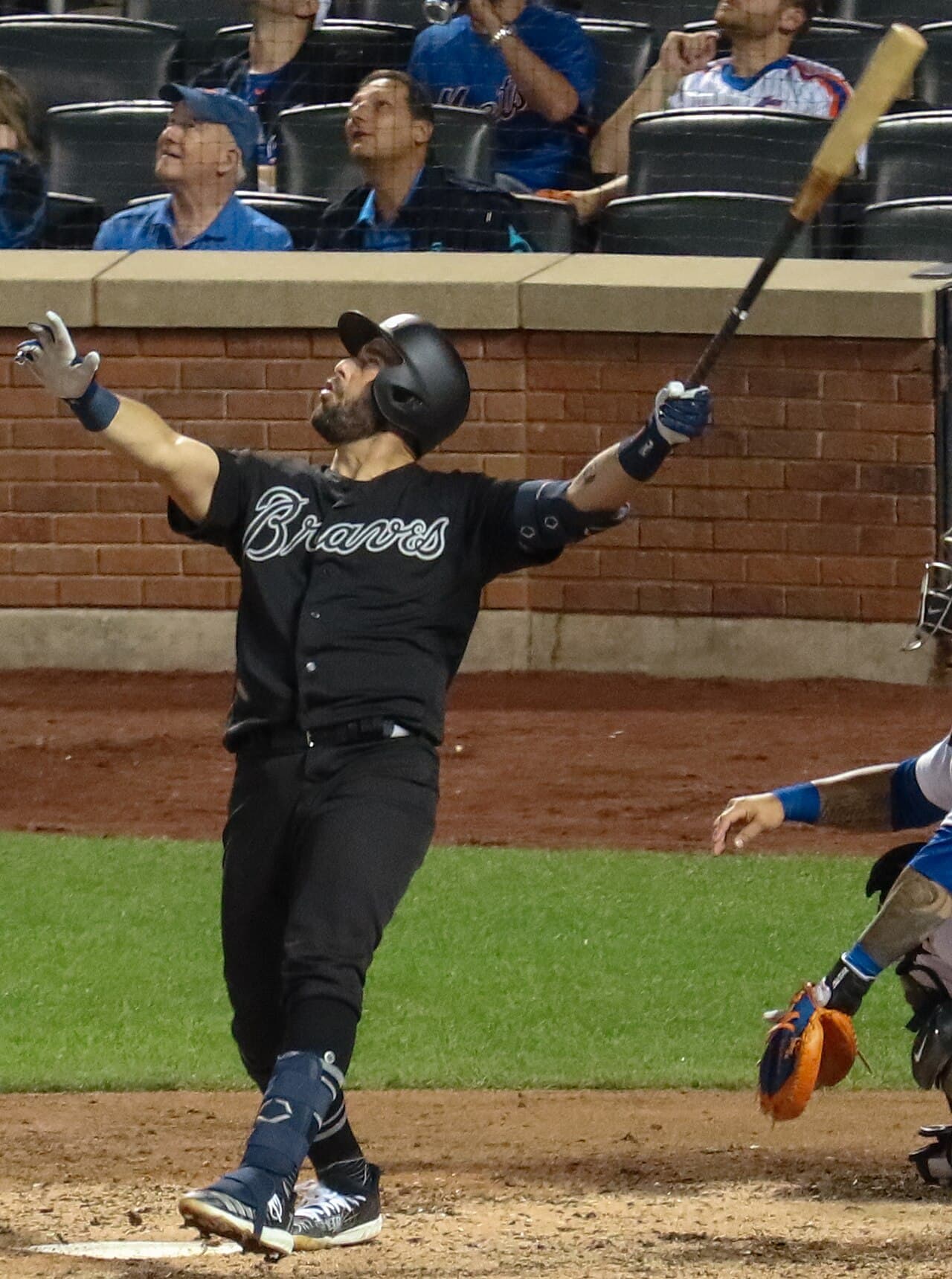
Atlanta clinched the National League East on Sunday with a 4-2 win over Houston, taking the division for the first time since 2023. It is the banner the franchise spent two seasons chasing, and it arrives with a complication: winning the division does not, in the current format, guarantee anything close to the reward it used to.
The Braves project as the No. 3 seed in the National League. Milwaukee, which has already clinched the NL Central for a fourth straight season, is in line for the top seed. Los Angeles, which clinched the NL West, sits second. Only the top two seeds in each league get the first-round bye. Atlanta is not mathematically out of that race, but the runway is short and the deficit is real.
Why the bye is worth more than the division
The wild-card round is the most dangerous three games in baseball for a good team. It is a best-of-three, the higher seed hosts all of it, and the format rewards pitching depth less than any other round because a team can throw its two best starters and effectively skip the rest of its rotation.
That compression is the whole argument. A 95-win team facing an 87-win team in a best-of-seven wins that series comfortably more often than not. In a best-of-three, the gap narrows to something much closer to a coin flip. Teams that earn the bye skip the round entirely, arrive in the division series rested, and get to line up their rotation exactly as they want it.
That is why Atlanta clinching a division on September 20 and still having real work left is the correct framing rather than a downbeat one. The banner is secure. The thing that actually moves their championship odds is not.
The three-team race for two byes
Milwaukee, Los Angeles and Atlanta are competing for two spots, and whoever finishes third gets sent to the wild-card round. Milwaukee has held the top of the National League for weeks and owns the tiebreaker over the Dodgers, which is a significant structural advantage this late in a season when both teams are playing out a handful of games.
Los Angeles has already clinched the NL West and cut its rotation down to four for October, which is what a team does when it is confident about its position and focused on getting pitchers right rather than on the standings. That is a tell about how the Dodgers are treating the final week.
Atlanta's path requires winning nearly everything remaining and getting help from two teams that are both playing well. It is live in the sense that any deficit inside a week is live, and it is unlikely in the sense that two teams have to cooperate.
The Verdexed model take
The market consistently misprices the value of a bye, and it does so in a specific direction: it underrates it.
The reason is that betting markets price World Series futures largely off team quality, and team quality is what most models are built to estimate. Seeding is treated as a modifier. But in a format where the No. 3 seed plays an extra best-of-three against a hot wild-card team before facing the No. 2 seed, the difference between finishing second and third in a league is worth several percentage points of championship probability, which is a larger effect than most quality gaps between the teams involved.
Our position is that Atlanta's World Series price is currently supported more by name recognition and the division title than by their structural path. The Braves are a good team that is, by the most likely outcome, headed into the round that eliminates good teams. That is not a price we want to pay.
The inverse holds for Milwaukee. A team that clinches the top seed, skips the wild-card round, and sets its rotation is worth more than its run differential suggests, and the futures market has historically been slow to fully credit that.
The live-betting angle in the final week is more actionable than the futures. Teams that have clinched and are managing workloads behave differently than teams still fighting for position, and the market does not always reprice game totals and sides quickly enough when a manager pulls a starter after four innings or rests three regulars. Los Angeles trimming its rotation to four is public information that should be feeding directly into how you price their remaining games.
The fantasy angle
For anyone in a head-to-head league still playing, the clinching cascade matters enormously and most managers ignore it until it costs them.
Clinched teams rest regulars. They pull starters early. They give at-bats to September call-ups in games that no longer have stakes. A star hitter on a clinched team is a meaningfully worse fantasy asset in the final week than the same hitter was in August, and the projection systems that most managers rely on do not adjust for it fast enough.
Atlanta is now in that category. So is Milwaukee, and so is Los Angeles in a different way.
The teams to target instead are the ones with everything still on the line. The National League wild-card race is a three-way tie, the AL West is a one-game margin, and players on those rosters will be in the lineup every day, hitting in their normal spots, with their managers pushing every available button. That is where the guaranteed playing time is in the final week, and playing time is the entire game in a short-horizon format.
What's next
The postseason begins September 29. Atlanta's remaining games are about two things: catching a bye that is probably out of reach, and getting their pitching staff aligned for a wild-card round they will most likely have to play.
For bettors, the final week of a regular season with this much still undecided is one of the more inefficient stretches on the calendar, because lineup and rotation decisions are being made for reasons that have nothing to do with winning the individual game. Read the lineup card before you read the line.
For fantasy managers, the instruction is simpler: stop rostering players on clinched teams, and go get the ones whose managers cannot afford to rest anybody.