 NFL2026-08-30
NFL Cut Day Arrives at 6 ET and Monday's Waiver Claims Will Reshape Fantasy Benches
By Verdexed NFL Desk
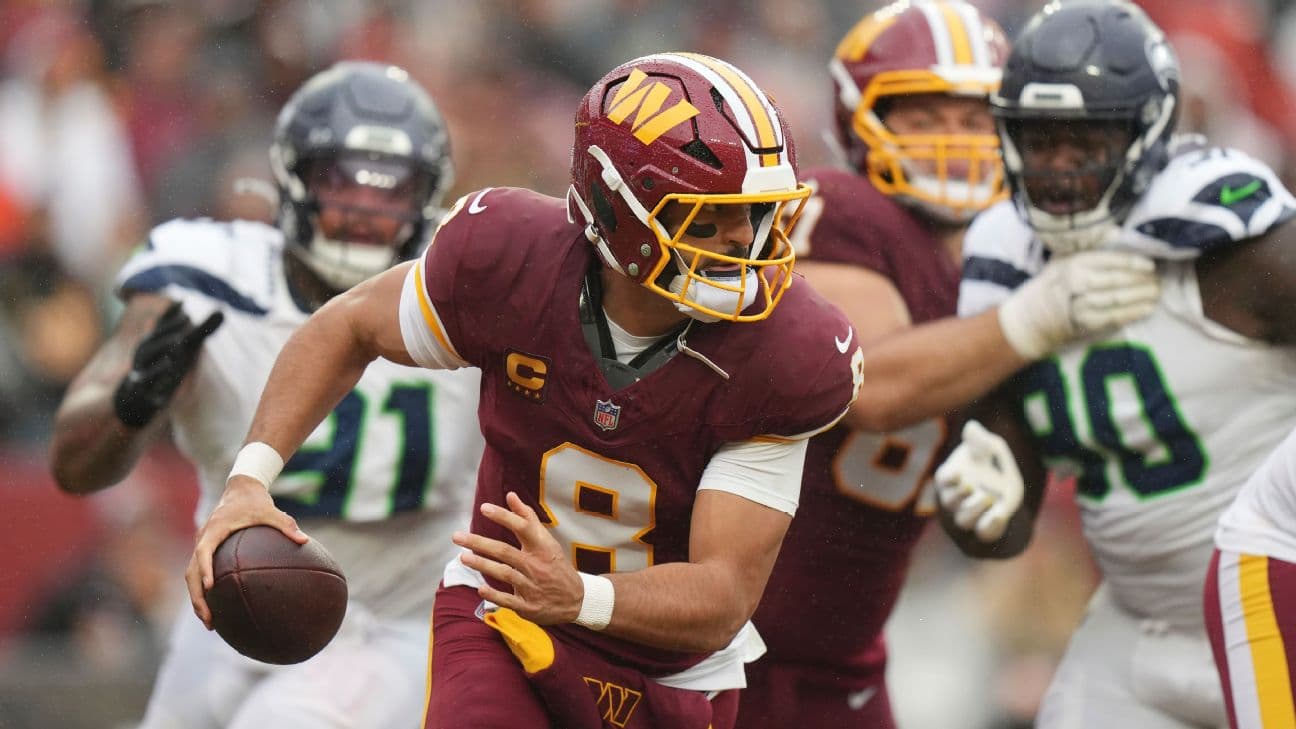
Every NFL team must be down to 53 players by 6 p.m. ET on Sunday, August 30, and the fantasy consequences do not land until Monday. Roster cuts are the single largest transaction event of the football calendar, with clubs trimming from an offseason limit of 90, and reporting across the league puts the number of players released, waived, traded or placed on an injury list this weekend at more than 1,100. For anyone holding a late-round running back or a fifth receiver, the depth chart that exists Sunday night is not the depth chart that matters.
The date itself is new. Cutdown day has traditionally fallen on the Tuesday after the final preseason game. This year the league moved it to Sunday, a change tied to the international travel required for the season's opening slate, which includes a game in Melbourne. That compression matters: teams that played their preseason finale Saturday had roughly 24 hours to finalize decisions, which historically produces more surprises and more players cut for reasons that have nothing to do with talent.
The mechanics that actually decide who lands where
Two categories of player come off rosters this weekend, and they follow completely different paths.
Players with fewer than four accrued seasons are waived. They go onto the waiver wire, and every other team gets a chance to claim them. Claims from the final reduction are due Monday, August 31 at 1 p.m. ET. The claiming order runs in reverse order of last season's standings, so the worst teams get first crack, and a claimed player joins his new club with his existing contract attached.
Players with four or more accrued seasons, the vested veterans, are not subject to waivers at this point in the calendar. They are released outright and become unrestricted free agents immediately. That is why the more interesting veteran names often get cut a day or two early: it lets them shop themselves before the flood of Sunday releases hits the market.
Practice squads form after the league distributes waiver results. Each club can carry 16 practice squad players, with a 17th spot available for a club that adds an international player. Teams also have room to sign a handful of players with unlimited accrued seasons, which is how a veteran running back who was cut Sunday can be practicing with a new team by Wednesday and starting by October.
The fantasy mistake almost everyone makes
The biggest error in the next 48 hours is treating Sunday's depth chart as settled. A late-round back can look like he won a backup job on Sunday evening and lose it Monday afternoon when his team claims a more experienced player. A receiver can survive the cut and still finish fifth in the target order because he made the roster on special teams value, not offensive value.
The reverse trap is just as expensive. A player who gets waived is not automatically worthless. Waived players with real production histories usually get claimed, and the claiming teams are, by rule, the teams with the worst rosters, which is exactly where opportunity lives. A receiver who was fourth on a good team can be second on a bad one by Tuesday, and bad teams throw when they trail.
Injury designations are the third layer. Players placed on injured reserve before the 53 is set are generally out for the season, while players moved to IR after the roster is set can return later. That distinction gets flattened constantly in fantasy chatter and it is the difference between a stash and a dead roster spot.
The Verdexed model take
Verdexed's projection system reweights depth charts on a rolling basis rather than snapping to whatever a team publishes, and the model's stance on cutdown weekend is deliberately conservative: it treats Sunday's official chart as low-confidence input and waits for the Monday waiver results plus the first regular-season practice report before moving usage projections meaningfully.
The reason is simple. Historically, unofficial depth charts published in late August are poor predictors of Week 1 snap share for anyone outside a team's top two at a position. The signal that actually moves projections is the transaction: a claim, a veteran signing, or a Week 1 inactive list. Everything before that is noise dressed up as information.
That produces a clear practical rule. If a player's fantasy case depends entirely on where he is listed on a Sunday depth chart, the model does not price him as a starter. If his case depends on a job he already held in June and July, cut day does not change much.
What to do in your league this week
Hold your late-round handcuffs until Monday evening. Dropping a backup running back Sunday night to chase a rookie who "made the team" is the classic way to lose a piece of a backfield you already paid for.
Set a watch list of vested veterans who get released rather than waived. Those players sign fast, they sign with teams that have a hole, and they are the fastest path to a Week 1 role. Running backs and slot receivers in that group are the ones that turn into startable fantasy assets by late September.
Monitor waiver claims by team, not by player. The claiming order rewards the league's worst rosters, and a player claimed by a team with a bare position group is a materially different fantasy asset than the same player claimed for depth by a contender.
If you drafted early and your league has already run, plan on a heavy first waiver run. Rosters drafted in mid-August were built against a depth chart that no longer exists. That is not a reason to panic on draft night, but it is a reason to leave a bench spot flexible.
What's next
Waiver results land Monday afternoon, practice squads fill out Monday night into Tuesday, and the first official injury reports of the regular season follow later in the week. The opener is Wednesday, September 9, which leaves a short runway between the roster churn and real games.
Verdexed will update player projections and Week 1 model outputs after the Monday claims clear, because that is the point at which the rosters are real. Until then, the useful posture is patience: watch which teams spend claims, watch which veterans sign fast, and resist the urge to rebuild a bench off a depth chart that has a 24-hour shelf life.