AJ Dybantsa, Darryn Peterson and Cameron Boozer Open Camp in Three Very Different Situations
By Verdexed NBA Desk
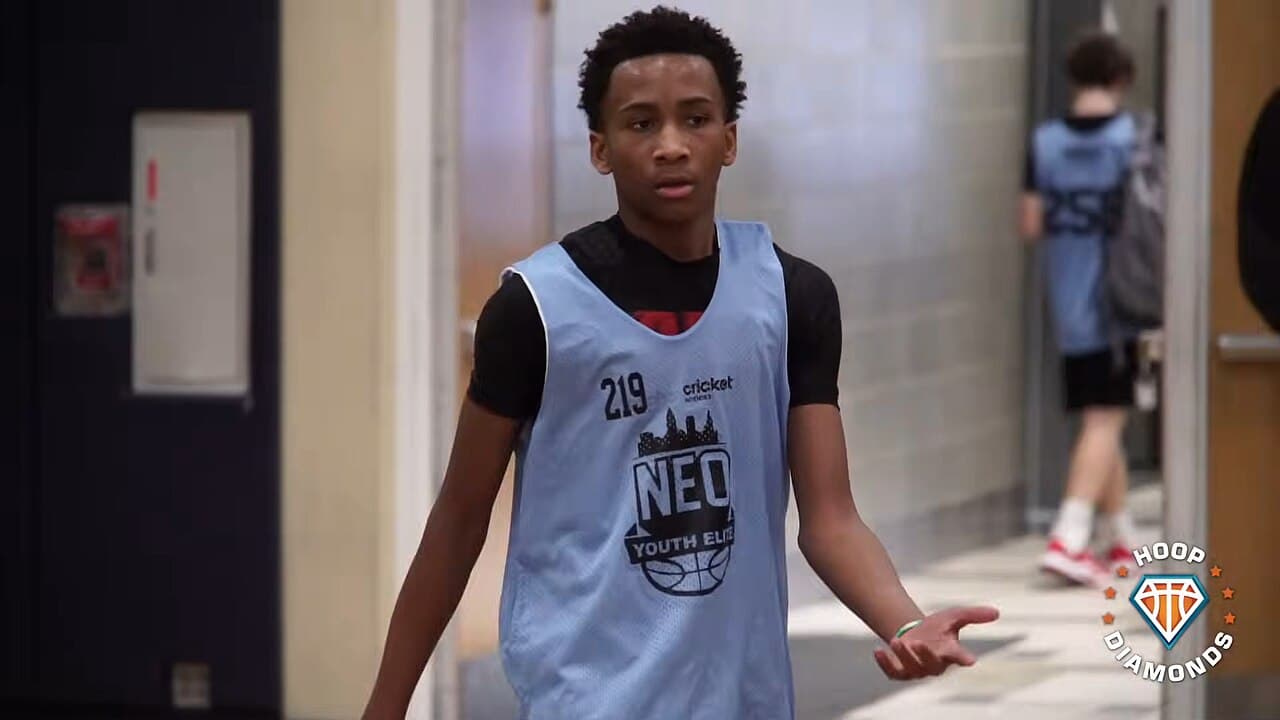
Training camps open Tuesday, and the top of the 2026 rookie class arrives with three of the most-discussed prospects in years. The Washington Wizards took BYU forward AJ Dybantsa first overall. The Utah Jazz selected Kansas guard Darryn Peterson second. The Memphis Grizzlies took Duke forward Cameron Boozer third, and the Chicago Bulls followed with North Carolina forward Caleb Wilson at fourth.
For fantasy managers drafting over the next three weeks, the ranking that matters is not the draft order. It is the depth chart each rookie walked into.
AJ Dybantsa has the cleanest runway
Dybantsa averaged 25.5 points and 6.8 rebounds in his single college season and enters as the consensus top fantasy rookie. The profile is a 6-foot-9 wing with ball-handling responsibility and a scoring mentality, which is the archetype that produces immediate free-throw volume and immediate points.
Washington is the part that makes him startable rather than merely interesting. A rebuilding roster with the first overall pick has every structural incentive to hand him minutes, usage and the freedom to play through mistakes. That combination is what separates a rookie who returns value from one who posts a 21-minute-per-game line and frustrates everyone who drafted him.
He grades out as a top-70 fantasy asset in both points and category formats, which is roughly a mid-round pick in a 12-team league. That is a fair price rather than a bargain, and the argument for paying it is that his usage floor is higher than any other rookie's.
Darryn Peterson depends entirely on minutes
Peterson is the better pure guard prospect in a playmaking sense, and the fantasy case for him is explicitly conditional. If Utah gives him 28 to 32 minutes a night, the counting stats follow, because guards with the ball produce assists and points at a rate that does not require efficiency.
If Utah brings him along slowly behind established guards, he is a bench stash in redraft leagues and nothing more until the minutes arrive.
That conditionality is the entire draft-day question. The right approach is to let someone else take him at the consensus price and to add him aggressively in November if the rotation clarifies in his favor. Rookie guards with uncertain minutes are the most commonly over-drafted asset class in fantasy basketball, because the highlight reel and the counting stats live in different places.
Cameron Boozer is the safest and the least exciting
Boozer averaged a double-double in college at 22.5 points and 10.2 rebounds, and he carries the highest floor in the class. The polished-versatile-forward profile contributes in rebounds, field goal percentage and points from the opening week, which in category leagues is genuinely valuable.
He is also the first rookie coming off the board in the average Yahoo draft, which means the market has already priced the safety. Memphis is a more competitive situation than Washington, which caps his usage but raises his efficiency.
The fantasy verdict: Boozer is the rookie to own in category leagues where percentages matter, Dybantsa is the rookie to own in points leagues where volume matters, and paying a premium for either is a mistake.
The Verdexed model take
The model's rookie framework weights projected minutes at roughly double the weight of projected per-minute production, and that ordering is what separates its rankings from consensus.
Under that framework, Dybantsa ranks first among rookies by a comfortable margin, because the Washington situation maximizes the variable that matters most. Boozer ranks second on floor. Peterson ranks third with the widest error band in the class, and Wilson ranks fourth with a Chicago situation that the model reads as more crowded than Washington's and less crowded than Memphis's.
The broader model note is that rookies as a class are systematically over-drafted in redraft formats and systematically under-drafted in dynasty. This class does not change that. A manager who takes zero rookies in a 12-team redraft league and spends those picks on established mid-round production will beat the field more often than not.
The betting angle
Rookie of the Year markets are the cleanest place to express a view here, and the market tends to price the first overall pick as the favorite regardless of situation. That is usually correct and it is correct this year.
The value, when it exists, sits on a rookie whose minutes are guaranteed by a bad roster rather than earned. Dybantsa qualifies. So does Wilson, at a substantially longer price, if Chicago's rotation opens up.
Peterson at a short price is the bet to avoid, because the minutes question is unresolved and a rookie guard splitting time cannot accumulate the counting stats that voters use.
What to do in your draft
Take Boozer if he falls past his consensus position and you need percentages. Take Dybantsa at or slightly after his consensus position if you need scoring volume. Let Peterson go to someone else and monitor Utah's rotation through preseason.
Do not take more than one rookie inside the first eight rounds. The historical hit rate does not support it, and the opportunity cost is an established player at a known role.
What's next
Preseason begins October 3, and the starting lineups teams roll out in their first two exhibition games are the most reliable predictor of opening-night rotations available. Watch Washington's first preseason lineup specifically. If Dybantsa starts, his fantasy floor rises immediately and his draft-day price becomes a bargain rather than a fair number.