 NBA2026-07-03
Anfernee Simons Signs With the 76ers: A Scoring Guard Lands in a Revamped Philadelphia Rotation
By Verdexed NBA Desk
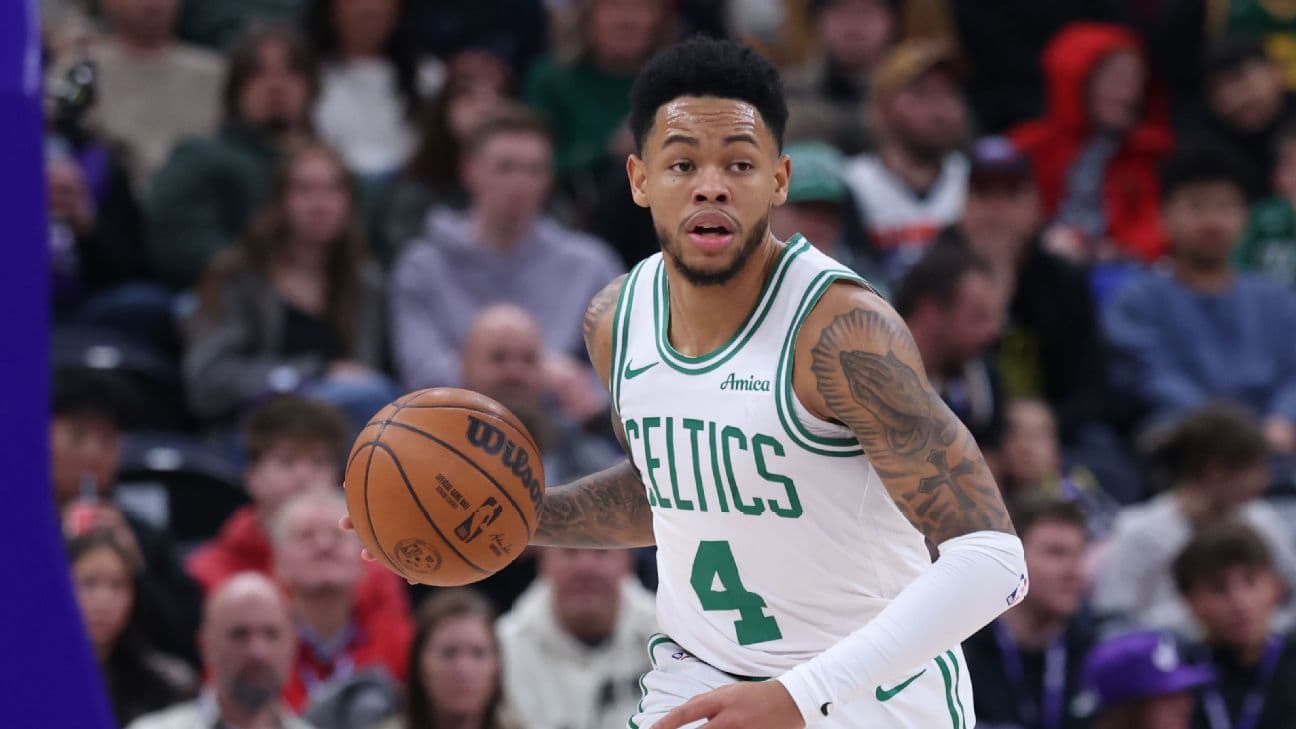
The 76ers added a scoring punch to their backcourt. Anfernee Simons agreed to a two-year, $12.3 million deal with a player option in the second season, joining a Philadelphia roster in the middle of a significant makeover. For fantasy managers, the question is not whether Simons can score, because he has proven that, but how many minutes and shots he commands in a crowded, reshaped rotation.
The signing is a value play for Philadelphia and a bet by Simons that the fit is right. Sorting out his fantasy outlook means figuring out where he slots in a lineup that has undergone real change this summer.
Who Philadelphia is getting
Simons is a 27-year-old guard coming off a season split between Boston and Chicago, where he averaged 14.3 points, 2.5 rebounds, and 2.4 assists over 55 games. That is a clear scoring-guard profile: a player who can get buckets in bunches, stretch the floor, and provide secondary shot creation. He reportedly chose the Sixers over other suitors specifically because he believed his fit with the revamped roster was ideal.
The contract structure matters, too. A two-year deal with a player option is a prove-it arrangement, which typically motivates a player to maximize his role and production, a positive signal for fantasy usage if the minutes are there.
The rotation question
Philadelphia's offseason has been busy, and the backcourt picture is the key variable for Simons's value. A reshaped roster can cut two ways for a scoring guard: it can open a featured role if the team needs his shot creation, or it can compress his minutes if there are other high-usage guards ahead of him. The fantasy read on Simons hinges entirely on which of those scenarios plays out.
What is clear is that Simons brings a skill the Sixers value, namely off-the-dribble scoring and shooting. Teams do not sign players like him to sit, and a prove-it deal usually comes with a real opportunity to earn minutes. The open question is the ceiling of that opportunity given the other pieces around him.
Fantasy fallout
Simons has always been a points-and-threes fantasy contributor, and that baseline does not disappear in Philadelphia. In category leagues, he offers scoring, made three-pointers, and enough assists to be useful, though his rebounding and defensive counting stats are thin. His fantasy value tracks closely with his minutes, so the draft-day approach is to monitor how the rotation shakes out in the preseason.
The realistic projection is a mid-round fantasy guard with upside if he claims a starting or high-minutes role, and a streaming-tier scorer if he ends up in a reserve capacity. In deeper leagues and DFS, Simons is exactly the kind of player who returns value on nights the Sixers need offense and he gets the green light. Treat him as a role-dependent asset and adjust once the minutes clarify.
The bargain angle
The contract itself is a story. A two-year deal starting around $6 million per season is a modest number for a guard who has posted double-digit scoring averages and shown the ability to be a primary bench scorer. That is a value signing for Philadelphia, and value signings often come with a chip-on-the-shoulder motivation that shows up in production. Players on prove-it deals tend to play hungry, chasing the bigger contract that a strong season would unlock.
For fantasy purposes, that motivation matters because it correlates with aggressiveness and shot volume. A scoring guard playing to earn his next deal is more likely to hunt his offense than defer, and offense is the currency of fantasy value at his position. The question is simply whether the minutes and the green light are there, and a player betting on himself usually pushes hard to make sure they are.
The Verdexed model take
Verdexed's model values scoring guards on a usage-times-efficiency basis, and Simons's fantasy ceiling is a direct function of the shot volume his new role affords. On a prove-it contract, a player like Simons is motivated to produce, but the model needs to see the minutes settle before projecting him confidently. The most likely path is a rotation piece who provides scoring bursts, with the upside of a larger role if Philadelphia's backcourt hierarchy tilts his way.
For DFS players, the actionable angle is leverage. Scoring guards on new teams often go under-owned early in the season while the market waits to see their role, which creates value on nights they get extended run. Watch the Sixers' early rotations closely, and be ready to pounce on Simons in DFS when the minutes and matchup line up before the field catches on.
What's next
The preseason and opening weeks will define Simons's fantasy value. If he earns a starting role or consistent 30-minute nights, he becomes a reliable mid-round scorer. If the revamped roster pushes him into a smaller role, he is a matchup-based streamer and DFS dart. Either way, the scoring is real; the only variable is opportunity. Track Philadelphia's rotation, and let the minutes tell you how aggressively to draft him.
The smartest posture heading into the season is patience with a plan. Do not spend a premium pick on Simons before his role is defined, but do put him near the top of your early-season watch list, because scoring guards who lock into 30-minute roles can outproduce their draft slot by a wide margin. If the Sixers' new-look backcourt tilts his way in the preseason, be ready to move quickly, in both season-long leagues and DFS, before the rest of the field prices in the opportunity. Value in fantasy basketball is often about acting on a role change a week before everyone else does, and Simons is exactly the kind of player where that timing edge pays off.