 MLB2026-07-12
2026 MLB Futures Game Stashes: Jesus Made, Leo De Vries Headline the Dynasty Targets
By Verdexed MLB Desk
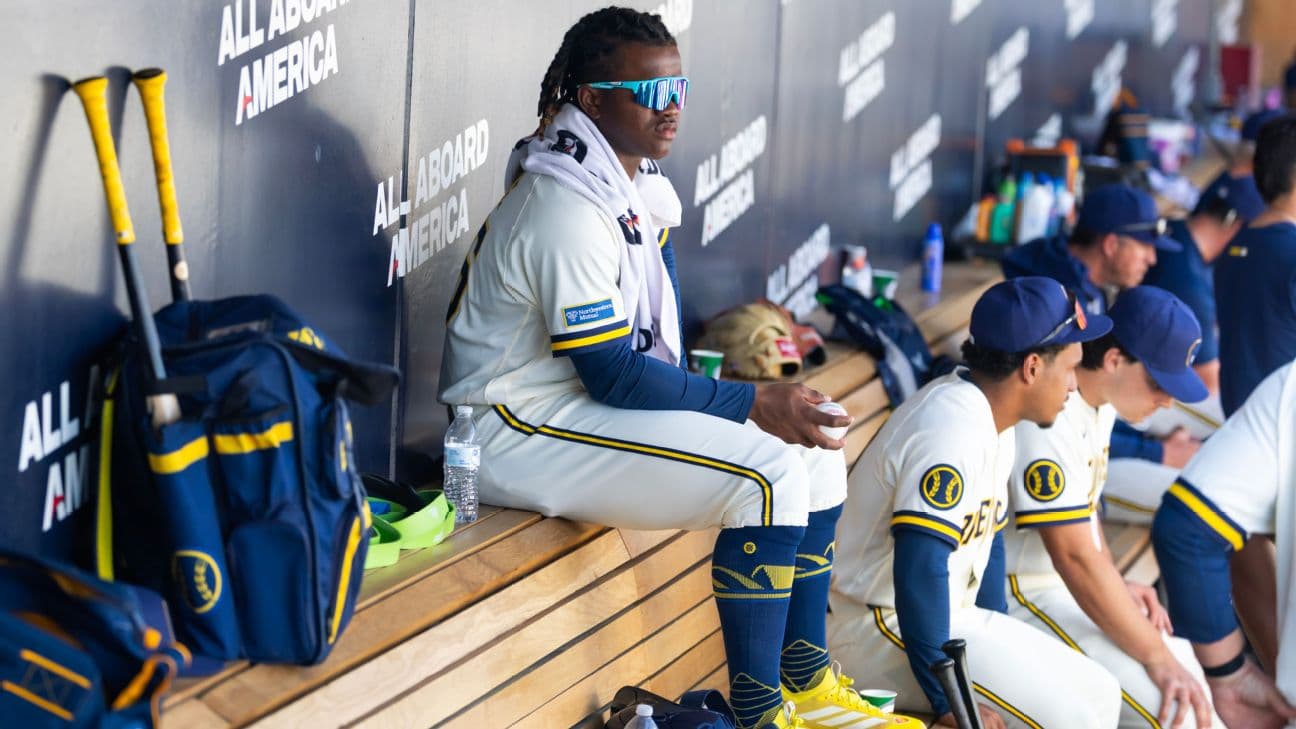
The 2026 MLB All-Star Futures Game is one of the most prospect-rich in recent memory, with a reported 38 of the 50 selected players ranked inside MLB Pipeline's Top 100. For dynasty managers, the showcase is a shopping list: it concentrates the game's best young talent in one place and previews which names could be knocking on a big-league door in the second half. The stashes below are sorted by fantasy ceiling and the realistic odds of a 2026 or early-2027 impact.
The top of the board: Jesus Made and Leo De Vries
Jesus Made has climbed to the top of the prospect world, and the profile explains why. The Brewers' switch-hitting shortstop is a quick-twitch athlete at a premium position, with a tool set that grades out as at least above-average across the board. He has held his own as a teenager at Double-A this season, and the swing adjustment scouts want to see, lifting the ball off the ground more consistently, is the kind of change that can trigger a power spike in the second half. In dynasty terms, Made is a top-shelf hold and a buy if a rebuilding manager in your league is shopping him. The ETA is not imminent, but the ceiling is a five-category shortstop.
Leo De Vries is the other blue-chip name, a 19-year-old shortstop who ranks near the very top of the sport. Originally signed by San Diego in 2024, he now headlines the Athletics' system and is holding at Double-A. He is a classic patient dynasty target: elite pedigree, premium position, and a runway that lets a contending roster stash him without needing immediate production. Do not expect a 2026 call-up, but the long-term payoff is a franchise middle infielder.
The bats closest to the majors
Walker Jenkins is the name to prioritize for managers who need help sooner. The Twins outfielder, a 2024 first-rounder, is already at Triple-A St. Paul and has handled the jump seamlessly, pairing a strong on-base profile with real power-speed output. He turned in a 20-20-caliber pace across levels and has continued to produce at the highest rung of the minors. With Minnesota navigating its own deadline decisions, a productive Jenkins gives the club a young, cost-controlled outfield bat it may choose to promote in the second half. He is the Futures Game stash most likely to matter for 2026 fantasy rosters.
Josue De Paula is back in the Futures Game for a second straight year after taking home MVP honors in 2025, and the Dodgers outfielder keeps hitting. He has posted a strong average with double-digit home runs at Double-A Tulsa, and Los Angeles has a track record of pushing advanced hitters. He is a slightly longer wait than Jenkins given the Dodgers' crowded outfield, but the bat is legitimate and the organization is a factory for turning prospects into producers.
Charlie Condon carries some of the loudest raw power on the list. The Rockies' 2024 third overall pick has hit for power at Triple-A with an OPS north of 1.000, and the Coors Field context makes his fantasy upside obvious for anyone chasing home runs and RBI. The hit tool has questions, but few prospects offer this kind of ceiling in a hitter-friendly home park. He is a high-variance dynasty swing with a genuine 30-plus homer outcome.
The arm to know
Kade Anderson is the pitching prospect to circle. Selected third overall by the Mariners in last year's draft, the left-hander has been elite in terms of swing-and-miss at Double-A, and Seattle's development staff has a reputation for accelerating polished college arms. In dynasty formats where strikeouts are king, Anderson profiles as a fast-moving stash with mid-rotation-or-better upside. He is not a lock for a 2026 debut, but he is the kind of arm who can jump a level quickly if the strikeout dominance holds.
The Verdexed dynasty take
The hierarchy for dynasty managers is straightforward. Made and De Vries are the acquire-at-cost, hold-forever assets whose value is highest and least likely to slip. Jenkins is the actionable 2026 stash, the one whose call-up could actually help a win-now bench this summer. De Paula and Condon are the ceiling swings, one backed by organizational pedigree and the other by a dream home ballpark. Anderson is the pitching lottery ticket with real strikeout equity.
The deeper point for redraft managers: the Futures Game is a leading indicator of the second-half waiver wire. Every year, one or two of these names forces a promotion when a contender needs a spark or a seller clears a path. Jenkins and De Paula are the likeliest to be that name in 2026. Track their Triple-A performance and their parent club's deadline posture, because a rebuilding team that sells veterans in late July often hands the vacated at-bats to exactly this tier of prospect.
What to do now
In dynasty, make the offer on Made or De Vries if a manager is punting the future, and roster Jenkins wherever bench space allows. In deep redraft leagues, add Jenkins and De Paula to your watch list and be ready to pounce the moment a call-up is reported. The Futures Game is a preview, not a promise, but the players who shine here are the ones most likely to change a roster before the season ends.