 NBA2026-07-25
Victor Wembanyama's $252 Million Extension Locks Up the NBA's Most Valuable Fantasy Asset
By Verdexed NBA Desk
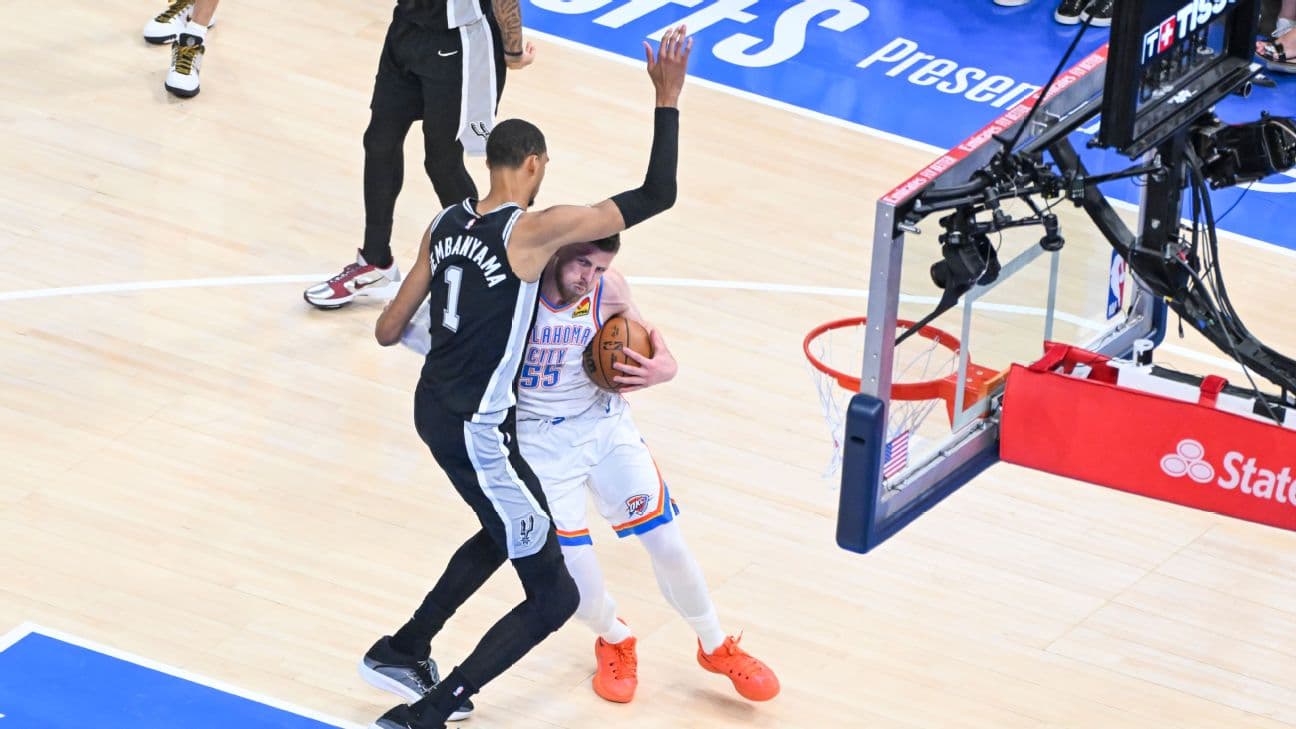
Victor Wembanyama and the San Antonio Spurs agreed to a five-year rookie-scale maximum extension worth a reported $252 million, a deal that ranks as the third-largest rookie extension in NBA history behind the five-year, $269 million agreements signed by Cade Cunningham in Detroit and Evan Mobley in Cleveland. The contract reportedly includes a player option in the fifth season. The structural detail that made this negotiation notable is what Wembanyama did not take.
Reporting indicates he and the Spurs worked through multiple frameworks before settling on the 25 percent maximum rather than pursuing the 30 percent supermax escalators that could have pushed the deal toward $303 million. The difference, roughly $50 million over five years, gives San Antonio meaningful additional room to build around him. Players rarely leave that much on the table, and the decision reshapes what the Spurs can do in the second half of the decade.
Why this matters to fantasy managers
The contract itself does not change a single box score. What it changes is the certainty around the environment, and environment is the variable fantasy projections most often get wrong.
A player on a long-term maximum extension with a franchise that has just been handed additional cap flexibility is a player whose organization has every incentive to build a competitive roster around him rather than to manage his workload through losing seasons. The tanking-era version of Wembanyama, in which a rebuilding team rests him liberally, becomes less likely with each move San Antonio makes toward contention.
That cuts both ways. Better teammates mean fewer nights where he has to do everything, which can trim usage. But the historical pattern for generational bigs is that improved surroundings raise efficiency and availability more than they suppress volume, and both of those matter more in category leagues than raw usage does.
The fantasy profile
Wembanyama is the rare player who contributes at an elite level in categories that usually trade off against each other. Blocks are the foundation, and his block rate has been in territory that single-handedly wins a category in head-to-head formats. Rebounds and points follow. The three-point volume, unusual for a player his size, means he does not carry the percentage drag that most centers impose on a roster.
The result is an asset that fits any build. Managers who draft him do not have to construct around a weakness, which is the practical definition of a first-overall fantasy pick.
The persistent question has been games played. Extremely tall players with his frame have historically carried elevated availability risk, and San Antonio has been cautious with his workload. Managers should build rosters that can absorb missed games rather than assuming a full season.
What the contract structure signals
The player option in year five is the detail worth noting for dynasty managers. It gives Wembanyama an off-ramp at a point where he would still be entering his prime, which preserves his leverage and, indirectly, his ability to influence roster construction.
The choice of the 25 percent max over the supermax path is the more revealing signal. It indicates a player prioritizing team building over maximum personal earnings, which is the profile of someone who intends to be in San Antonio for the long run and expects the franchise to spend the savings on talent.
For fantasy purposes, that translates into a stable multi-year projection in a single system, which is worth more in dynasty formats than most managers price.
The Verdexed model take
Verdexed's projection engine ranks Wembanyama as the most valuable single asset in fantasy basketball on a per-game basis, driven primarily by the block rate, which the model treats as the scarcest category resource in the sport. There are only a handful of players in any season who move a blocks category by themselves, and the gap between the best of them and the rest is larger than the equivalent gap in points or rebounds.
The model's games-played projection is where it diverges from the market. It assigns a lower expected games total than a typical franchise player receives, reflecting both his physical profile and San Antonio's demonstrated willingness to be cautious. That reduces his projected season-long total while leaving his per-game value untouched.
The practical implication is format-dependent. In per-game category leagues, Wembanyama is the consensus first pick and the model agrees. In total-points leagues that reward accumulation, the games-played discount is real and the model prefers a more durable option at the top of the draft.
What to do in your league
Take him first overall in category leagues. There is no argument against it, and the extension only strengthens the multi-year case.
In dynasty, he is untouchable. A 22-year-old on a five-year maximum with a franchise that just gained cap flexibility is the single most valuable long-term asset in the format, and no realistic package should move him.
Build for the missed games. The correct way to roster Wembanyama is with a deep bench and a streaming plan, not with a roster that collapses when he sits. Managers who draft him and then leave themselves thin at center are the ones who end up frustrated.
Betting angle
San Antonio's win total is the market this affects. A franchise that just secured its cornerstone at a below-maximum figure has both the money and the motive to accelerate, and win totals set before the full shape of the roster is known tend to lag.
The award markets are the more targeted play. Defensive Player of the Year is the obvious one given the block rate, and the primary risk to that ticket is not performance but games played, since award voters have minimum-game standards in mind. Any market that pays out on Wembanyama's individual excellence is a bet on his availability far more than on his ability.
What's next
The extension does not begin until his rookie deal expires, so the immediate on-court effect is zero. What to watch is how San Antonio uses the flexibility the discount created. Every addition the Spurs make around him improves the environment his fantasy value sits in, and a roster that pushes into the playoff picture is one that plays its best player more often in games that matter.