Tyrese Haliburton Says He Is Back and the Pacers Expect Him for Opening Night
By Verdexed NBA Desk
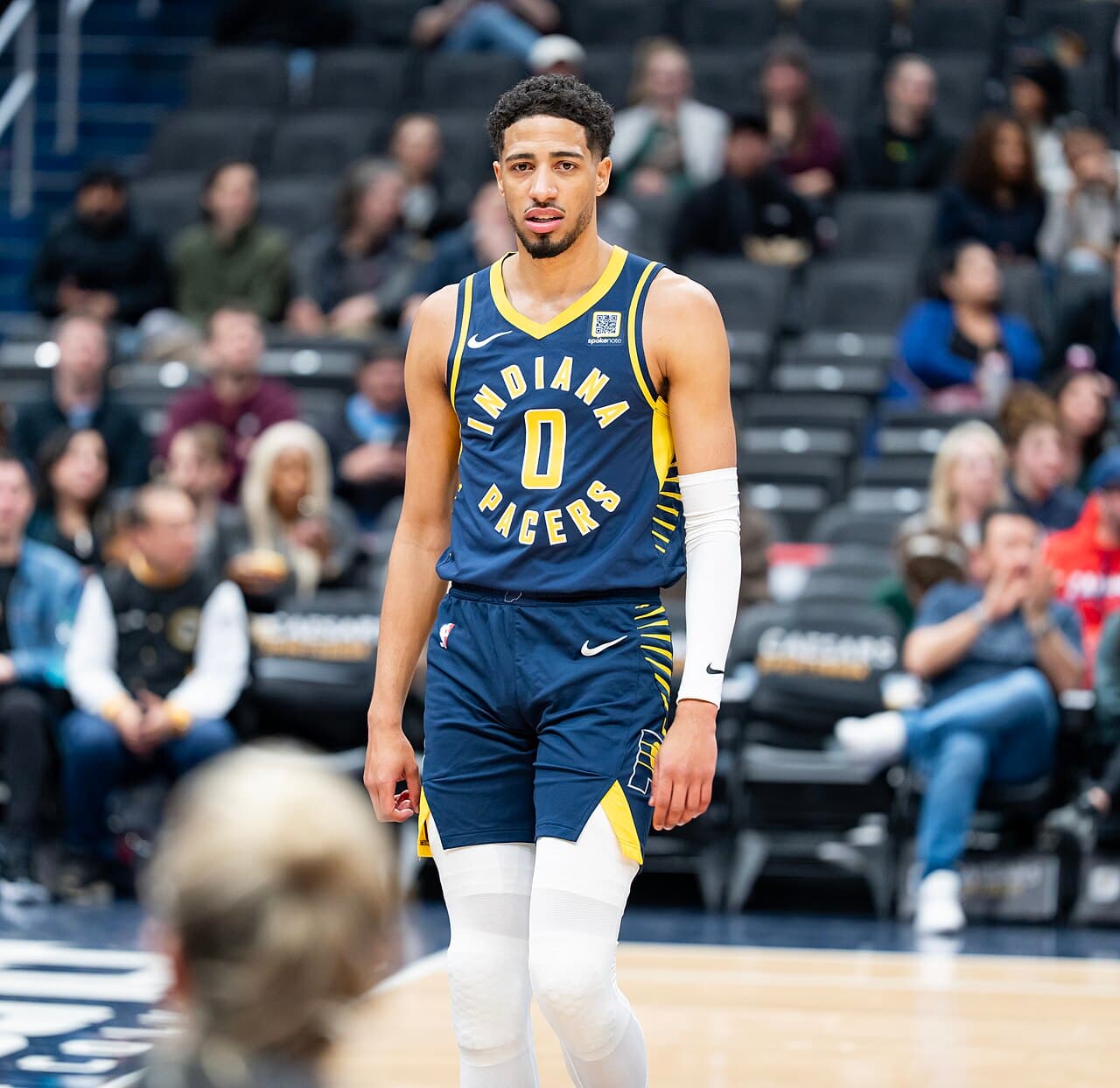
Tyrese Haliburton has resumed playing five-on-five and has publicly described himself as essentially back, roughly 14 months after rupturing his right Achilles tendon in Game 7 of the 2025 NBA Finals. Reporting from NBA insider Chris Haynes indicates the Indiana Pacers are optimistic he will be available for opening night of the 2026-27 season.
Haliburton missed the entire 2025-26 campaign. Indiana opens training camp in late September, which gives him roughly eleven more weeks of preparation before contact work resumes in a team setting.
The Achilles question, honestly
Achilles ruptures used to be treated as career-altering events for guards, and the historical data supported that view: players returned slower, less explosive and less durable. The more recent evidence is more encouraging, in part because surgical technique and rehab protocols have improved and in part because players are returning at younger ages with longer runways.
Haliburton's specific case has a favorable variable that gets underweighted. His game is not built on vertical explosion. He is a pace-and-space creator whose value comes from passing vision, ballhandling in traffic, deep shooting range and pick-and-roll manipulation. Those skills degrade far less from an Achilles injury than the skills of a downhill athlete who lives above the rim.
The risk that remains is not skill loss. It is minutes management and the re-injury caution that teams apply to players in their first season back. Expect Indiana to be conservative with back-to-backs early, and expect the load to build rather than start at his pre-injury baseline.
Fantasy fallout
Haliburton is the single most interesting draft-day question in fantasy basketball this fall. Before the injury he was a top-tier fantasy asset, an elite assist producer with strong three-point volume, a low turnover rate for his usage and excellent free-throw percentage. That statistical profile is close to ideal for category leagues, because assists and threes are the two categories hardest to accumulate from any other single roster spot.
The question is what discount the market applies. Players returning from a lost season are systematically undervalued in fantasy drafts, because managers anchor on the most recent statistical evidence and there is none. That creates the conditions for a genuine bargain.
The counterweight is real. A player who has not played competitive basketball in over a year will not immediately return to his pre-injury minutes, and early-season managed absences are close to certain. Managers in weekly-lineup formats should plan for a slower October and November than his talent implies.
The Verdexed model take
Our player projections handle long absences by blending pre-injury production with a return-adjustment curve derived from comparable injuries at comparable ages. For Achilles ruptures specifically, the curve reduces projected minutes materially in the first two months and reduces per-minute efficiency only modestly.
Applied to Haliburton, that produces a projection well below his pre-injury peak on a full-season basis and close to his pre-injury peak on a per-game basis by midseason. The gap between those two numbers is the entire fantasy argument: he projects as a very good player who will not play a very good player's number of games early.
The input that moves the projection most is Indiana's minutes plan, and there is no way to know it in August. If the Pacers open him at 30 minutes and hold him there, the projection is conservative. If they open him at 24 with scheduled rest, it is accurate.
What it means for Indiana
The Pacers spent last season without their franchise point guard and have been building around the assumption of his return. Getting an All-NBA-caliber creator back changes the team's offensive ceiling more than any signing they could have made, and it changes the value of every teammate who benefits from his passing.
For fantasy purposes, the ripple runs to Indiana's finishers. Big men who roll to the rim and wings who spot up both see their efficiency improve when a passer of Haliburton's quality runs the offense. Any Pacers frontcourt player whose value comes from field goal percentage gets a modest bump, and any shooter whose value comes from three-point volume gets a larger one.
The flip side is usage. Indiana's secondary creators handled more ballhandling responsibility last season than they will this season, and their assist numbers should regress accordingly. If you are valuing a Pacers guard based on last year's counting stats, discount them.
Betting angle
Indiana's season win total is the market where this matters most, and it is likely already priced with the expectation of Haliburton's return. The edge is not in the headline number but in the timing. If reporting shifts toward a delayed debut or a heavy load-management plan, the under gains value quickly, and season-long team markets are slow to reprice on minutes news.
Haliburton's individual award markets are more interesting. Comeback-oriented awards and All-NBA markets tend to be priced off name recognition rather than projected availability, and a player returning from a full season out is exactly the profile where those markets misprice in both directions depending on the specific award.
What to do in your league
Draft him, but draft him where his games-played risk is priced in rather than where his talent says he belongs. In category leagues with weekly lineups, he is a strong value in the mid rounds. In leagues that punish missed games heavily, be more cautious.
In dynasty, buy aggressively. He is still in his mid-twenties, his skill set is the kind that ages well and survives this specific injury, and he is on a team that has committed to building around him. Managers who watched him miss a full season will discount him more than the evidence justifies, and that is the trade to make.