Tyrese Haliburton Is Expected Back for Opening Night and the Injury Return Board Decides Fantasy Drafts
By Verdexed NBA Desk
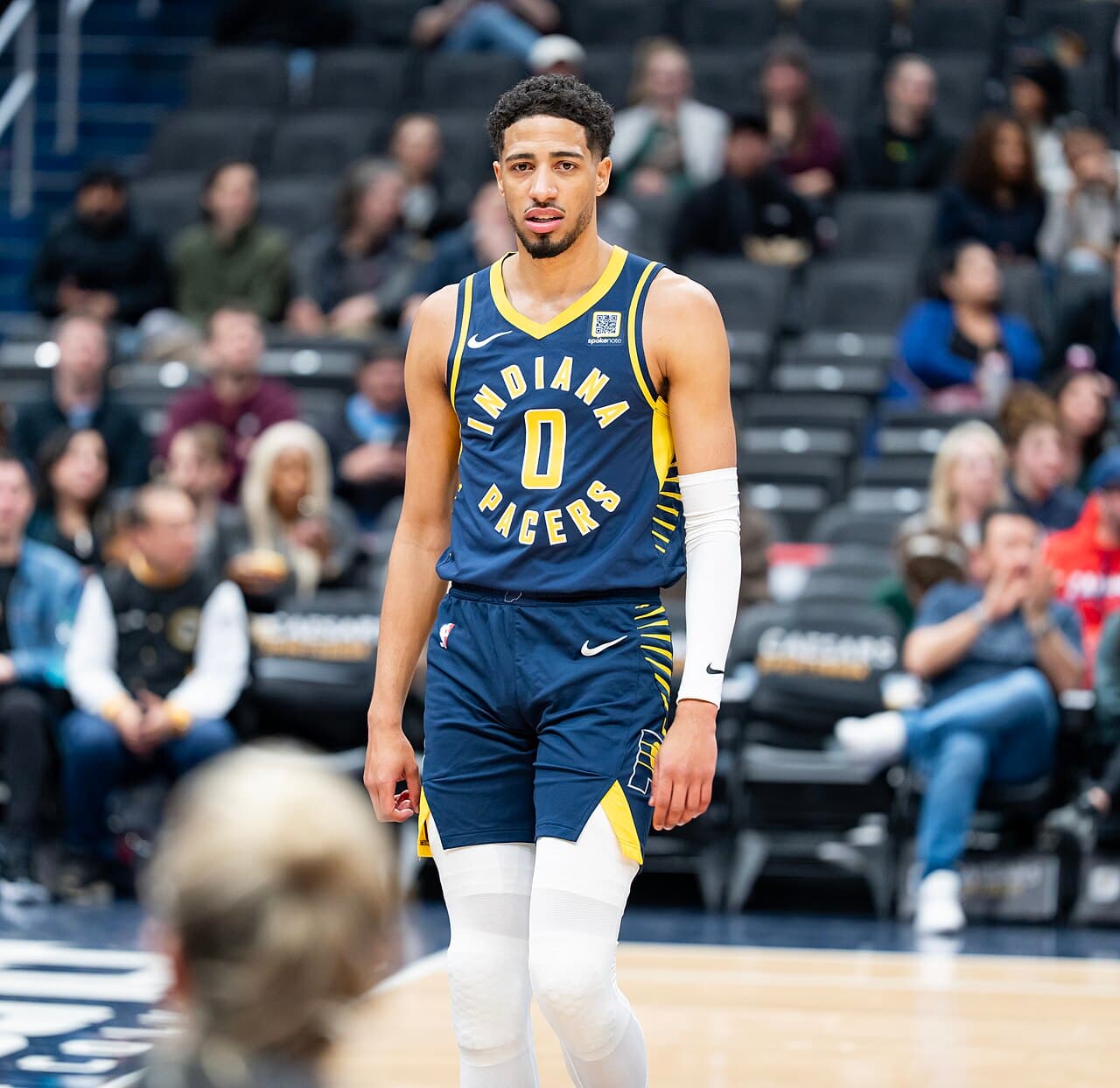
Indiana is optimistic that Tyrese Haliburton will be available for opening night, NBA insider Chris Haynes reported, a milestone for a guard who missed the entire 2025-26 season after tearing his right Achilles in Game 7 of the 2025 NBA Finals. Haliburton's recovery was complicated further when he was diagnosed with facial shingles in February, an unrelated setback that interrupted his rehabilitation at a critical point.
Haliburton has publicly pushed back on speculation about his timeline, telling reporters that he is healthy now and that he is the authoritative source on his own condition. The Pacers, for their part, have been careful to leave open the possibility of a minutes restriction to open the season.
The gap between available and productive
This is the distinction that decides fantasy drafts in late September. A player being cleared for opening night and a player producing his pre-injury line are different questions with different answers, and Achilles recoveries are the injury category where the gap is widest.
The historical pattern for Achilles returns is that explosiveness and lateral quickness take longer than availability does. Players come back, play, and look a step slow for a stretch that has ranged from a few weeks to most of a season. Haliburton's game is less dependent on vertical athleticism than most, which is the strongest argument that he returns closer to form than the average case.
Before the injury, Haliburton averaged roughly 18.6 points, 9.2 assists, 3.5 rebounds and 1.4 steals in about 33.6 minutes across 73 games in 2024-25, shooting nearly 39 percent from three. That is a first-round fantasy line built on assists, steals and efficient volume from distance, and none of those categories depend on the kind of athleticism an Achilles injury most affects.
The rest of the return class
Kyrie Irving returns to Dallas after his own long absence, joining a roster built around Cooper Flagg. Irving's fantasy profile has always been efficiency-driven rather than volume-driven, and the question with him is games played rather than per-game production.
Jimmy Butler is the name to avoid. Butler tore his right ACL in January and is expected to be limited to individual court work and strength training when camp opens, with a return in January or February described as an optimistic target. Drafting Butler means drafting a stash, not a contributor, and the cost of a bench spot for three months in a redraft league is real.
Domantas Sabonis is the cleanest case. He had surgery in February specifically to be ready for training camp and is expected to be a full participant, which removes the discount his draft price might otherwise carry.
The Verdexed model take
Verdexed's projection system applies a two-stage adjustment to players returning from major lower-body injuries: a games-played haircut and a separate per-minute efficiency haircut that decays over the season. For Haliburton, the games-played adjustment is the larger of the two, because the Pacers have every incentive to manage his workload in a season where they are not desperate for early wins.
The model's output puts Haliburton comfortably inside the top 30 for fantasy purposes but outside the top 15, which is a meaningful downgrade from his pre-injury ranking and probably a discount to where he will actually be drafted in enthusiast leagues. The assists and steals hold up in the projection. The minutes do not.
Irving projects as a mid-round value with a wide error band driven entirely by availability. Butler projects as a late-round stash with negative expected value in any league with a shallow bench.
The player the model likes most out of this group is Sabonis, whose price should reflect a clean bill of health and frequently does not, because the market remembers the surgery more vividly than the recovery.
What to do in your draft
Take Haliburton when the discount is real and pass when the room drafts him at his pre-injury price. That sounds obvious and it is routinely ignored, because the highest-profile returning star is the player most likely to be drafted on reputation.
The practical target is the third round in a 12-team league. At that price, a top-30 projection with genuine top-10 upside if the minutes restriction lifts quickly is a good bet. In the first round, it is not.
Avoid Butler entirely in redraft formats with fewer than three bench spots. Draft Irving as a third guard rather than as a starter, and treat Sabonis as the safest big man in the middle rounds.
The dynasty angle
In keeper and dynasty formats the calculus flips. Haliburton is 26 and a year removed from the injury by the time this season ends, which means the post-recovery version of him arrives within the window most dynasty teams care about. Buying a first-round talent at a third-round price in a format where the discount does not reset annually is the strongest play available.
Butler is the opposite case: an aging wing coming off an ACL tear whose dynasty value declines regardless of how the recovery goes.
What's next
Training camp will answer the minutes question before the season opener does. Watch for whether Indiana lists Haliburton as a full participant in camp practices and whether the club discusses a back-to-back restriction, because that language is the tell for how the first month will be managed.
The broader point is that injury-return seasons are where fantasy leagues are won and lost, and the edge comes from separating the availability question from the production question. Haliburton is likely to be available. Whether he is the player he was in 2024-25 on opening night is a different bet entirely.