Tucker Kraft Is Off the PUP List and Back on Track to Be the Packers' Week 1 Tight End
By Verdexed Fantasy Desk
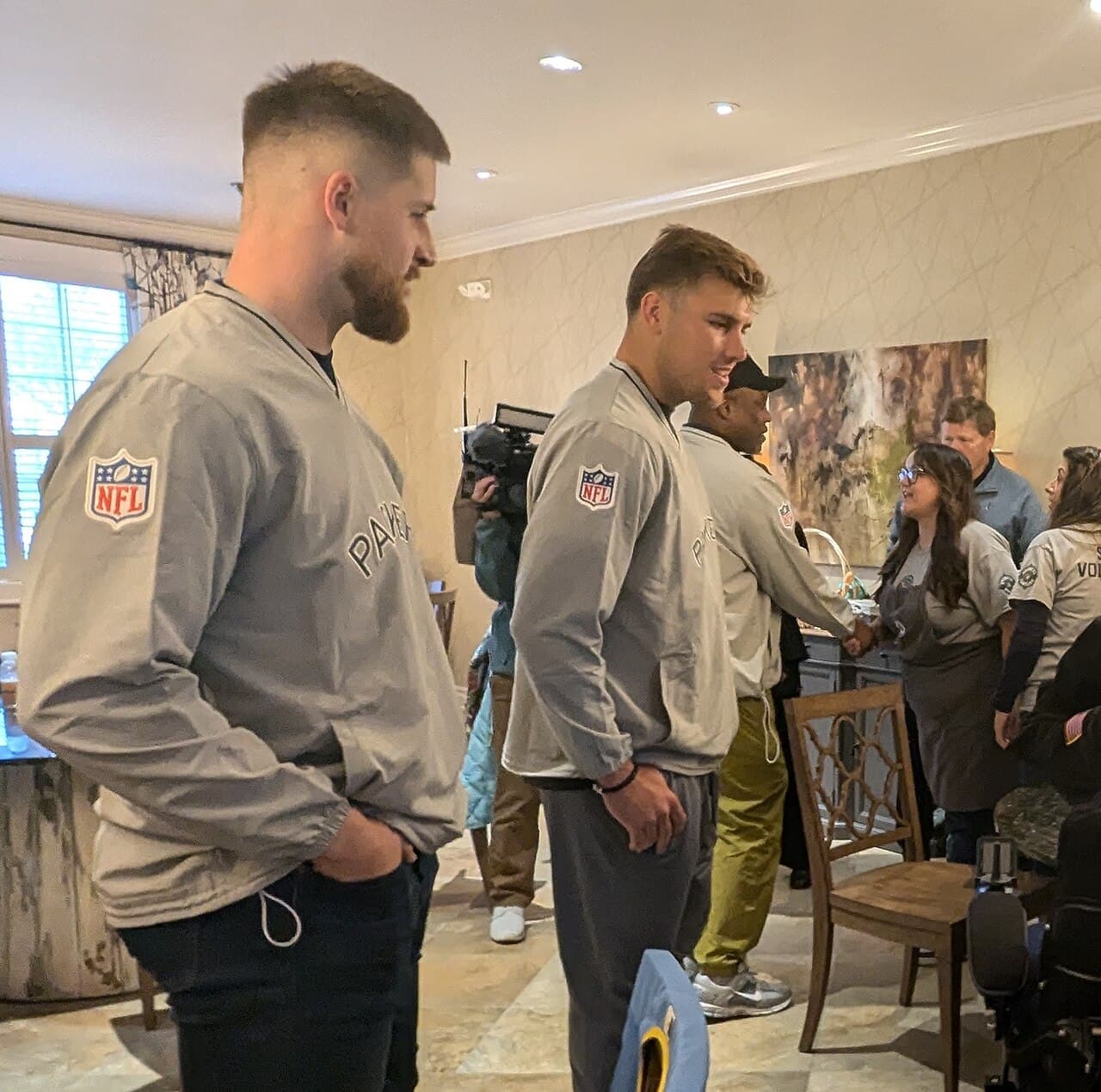
The Packers activated tight end Tucker Kraft from the physically unable to perform list at the end of July, clearing him to return to the practice field for the first time since he tore his ACL in November. Green Bay eased him in through individual periods rather than turning him loose in team drills, which is the standard progression for a player at this stage of an ACL rehab, and reporting since has kept him on track for a Week 1 return.
For fantasy managers, the activation is the part that matters. A tight end who comes off active PUP in the summer cannot be placed on reserve PUP at cutdowns, which means Kraft cannot be forced to miss the first four games of the season. That procedural fact removes the single worst outcome from his range.
What the activation does and does not tell us
Coming off PUP means the team believes he can handle practice work. It does not mean he is at full speed, and Green Bay has given no indication that he will play in the preseason.
The progression to watch is individual drills to full team periods to contact. A tight end's job includes blocking defensive ends, which is the last thing a rehabbing knee gets cleared for, and the Packers have every reason to hold that step until the final week of August. If Kraft is participating fully in team periods by the last preseason week, Week 1 is a strong bet. If he is still limited, expect a slow start rather than an absence.
Fantasy fallout
Kraft's fantasy case does not require projection. He was a productive receiving tight end before the injury and profiles as the clear top option in a Green Bay tight end room that has no established alternative. The Packers' offense spreads targets widely among its receivers, which has historically capped any single pass catcher's ceiling, but tight end is the one position group where the depth chart is unambiguous.
That produces a specific fantasy shape: a mid-tier TE1 with a reliable weekly floor and a ceiling that depends on red zone usage. Kraft's size and role make him a natural target inside the twenty in an offense that has not had a dominant red zone receiver, and touchdowns are where the difference between a TE1 and a TE2 gets made.
The health discount in his draft price is the opportunity. Managers who watched an ACL tear in November have generally not repriced a player who has been cleared to practice in July, and tight end is a position where a modest edge in cost translates into a real advantage because the replacement level is so low.
The Verdexed model take
The model classifies Kraft in the same tier as several tight ends being drafted meaningfully earlier, and it treats his injury risk as largely resolved by the PUP activation. The remaining risk is efficiency rather than availability: ACL returns at eight to ten months frequently show reduced yards after catch in the first month, and Kraft's production profile depends partly on breaking tackles in space.
That argues for patience rather than avoidance. Draft him as the TE1 on a roster that can absorb a slow September, or draft him as a second tight end behind a safer starter and let the value accrue.
The model's more contrarian read is on the Packers passing game as a whole. An offense returning its starting tight end from injury tends to concentrate short-area and red zone targets more than it did without him, which modestly depresses the projections of the receivers who absorbed that work last season. Anyone rostering Green Bay receivers should account for a share of their targets returning to Kraft.
Betting angle
Green Bay's early-season team totals are not going to move on tight end news, and there is no obvious market edge in the activation itself. The exploitable number is Kraft's receiving props in the first two weeks, which books will set off a small and stale sample.
If Kraft plays a full complement of snaps in Week 1, his receptions and yardage lines are likely to be set conservatively because the market will discount a player returning from a major knee injury. If he is limited, the same lines will still be too high because they will be anchored to his pre-injury role. The direction of the edge therefore depends entirely on the snap count report, which makes this a Week 2 play rather than a Week 1 one.
What to do in your league
Draft Kraft as a value. He is the rare injury-return tight end whose worst-case scenario has already been eliminated by the calendar, and his cost still reflects uncertainty that the PUP activation largely resolved.
If your league drafts in the next two weeks, monitor whether he graduates to full team periods. That is the single practice-report detail that separates a Week 1 starter from a player who opens the season on a snap count.
And if you are choosing between Kraft and a similarly priced tight end with no injury history, take Kraft anyway. The position is thin enough that a player with a clear path to every meaningful target in his own offense is worth a small amount of health risk, and the Packers have not signaled any intention to replace him.
One more consideration
Green Bay's offensive structure rewards a tight end who can win from multiple alignments, and Kraft's usage before the injury reflected that. He was not a pure inline blocker, which matters for the recovery outlook, because a tight end who plays detached from the formation takes fewer of the collisions that stress a repaired knee.
That is a modest but real advantage over other tight ends returning from the same injury, and it is one more reason to trust the timeline.