 NBA2026-06-28
Trail Blazers Hire Micah Nori: An Up-Tempo System and a Usage Bet on Scoot Henderson
By Verdexed NBA Desk
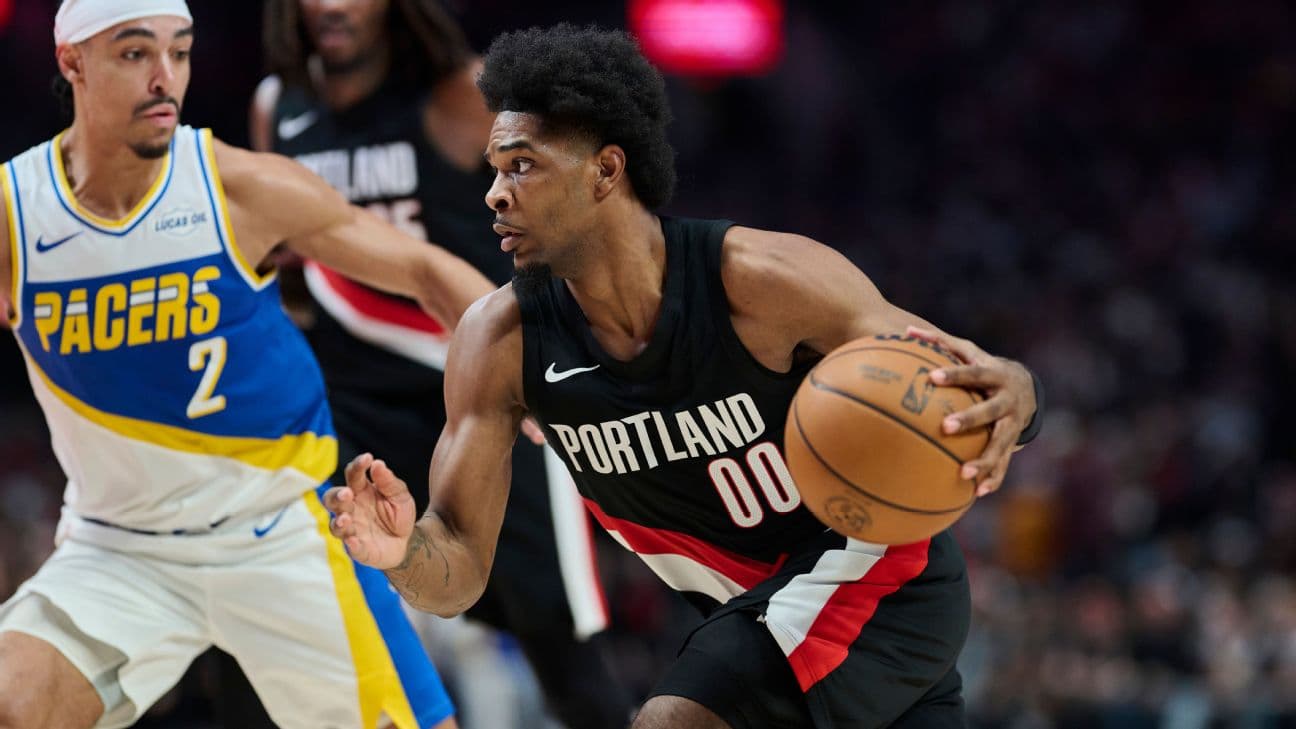
Portland has a new head coach, and his arrival is a usage-shift signal for one of the league's most fantasy-relevant young rosters. The Trail Blazers hired longtime Timberwolves lead assistant Micah Nori and formally introduced him at a press conference, handing the 52-year-old his first head-coaching job after five seasons running Minnesota's defense and serving as the lead voice next to Chris Finch. Nori pitched an up-tempo identity built on playing hard, smart, and together, and for fantasy managers, the more important question is what that style does to the minutes and roles of Portland's developing core.
There is a second layer to the story that has drawn leaguewide attention. Nori's contract is reported to include only one guaranteed year plus team options, a below-market structure under new ownership that the head of the coaches' association publicly criticized as a slap in the face to the profession. That backdrop matters less for fantasy than the scheme, but it is part of why the hire has generated so much noise.
The system change is the fantasy story
Coaching and system changes are among the most reliable usage-shift signals in fantasy basketball, and Nori is bringing a pace-up philosophy to a roster full of young players whose roles are not fully settled. Faster pace means more possessions, and more possessions tend to lift the raw counting stats of everyone in the rotation. For a Portland team built around ascending talent, that is a tailwind worth pricing in.
In his interview process, Nori reportedly floated the idea of starting Jrue Holiday and Scoot Henderson together in the backcourt. That is vision-level reporting rather than a confirmed lineup, but it is the kind of detail that hints at how he sees his personnel, and it has direct fantasy implications for the highest-variance player on the roster.
Scoot Henderson is the player to watch
Henderson is the swing piece. If Nori commits to him as an on-ball creator, even alongside a veteran like Holiday, his assist and usage numbers should rise, which is exactly what a bounce-back fantasy season would require. The bull case is a coach who trusts a young guard with the keys in an up-tempo system. The bear case is a Holiday-heavy backcourt that caps Henderson's time with the ball in his hands.
That uncertainty makes Henderson a classic monitor-the-camp target: high upside if the role breaks his way, draftable risk if it does not. For managers who like to bet on opportunity, he is one of the more interesting names of the offseason.
The rest of the core
Deni Avdija is the established fantasy anchor in Portland, the kind of multi-category contributor who benefits across the board from a faster, more open offense. A pace-up scheme should help his counting stats without requiring any change in role. Donovan Clingan is the other clear beneficiary, with blocks and rebounds that scale with minutes if Nori solidifies his place in the rotation. Shaedon Sharpe, Toumani Camara, and Caleb Love round out a young group whose fantasy values all tick up slightly in a higher-possession environment.
The Verdexed model take
Verdexed's model treats a confirmed pace-up coaching change as a small positive adjustment for an entire roster, because added possessions reliably lift raw production. The bigger model swings are at the individual level, and Henderson is the name with the widest projection range: his outlook moves materially depending on whether camp reports confirm an on-ball role.
The model holds Avdija steady as the safest Portland fantasy asset and bumps Clingan modestly on the minutes-and-blocks profile. The actionable read is to draft the system, not just the names: a young, fast Portland team is a fertile place to find late-round value, with Henderson as the highest-ceiling bet of the group.
The stability question and what it means
The lame-duck contract structure is more than a labor-relations footnote, because coaching security has real downstream effects on how a young roster develops. A coach with one guaranteed year has every incentive to chase immediate results, and that can cut against the patient, minutes-heavy development path that maximizes the fantasy value of players like Scoot Henderson and Donovan Clingan. A coach playing for his job sometimes leans on veterans, and that is the bear case for Portland's youngsters in year one.
The counterpoint is that an up-tempo system and a roster this young naturally pushes minutes toward the players with the highest ceilings, because there is simply not enough veteran talent to lean on. Nori's track record as a respected defensive mind in Minnesota suggests a coach who can build structure, and structure plus pace is a combination that has historically lifted the counting stats of developing players. The fantasy bet is that opportunity wins out over short-term expedience.
What history says about pace-up coaching hires is encouraging for raw production: more possessions reliably mean more shots, rebounds, and assists to go around, even if efficiency lags early. The managers who profit are the ones who identify which young player gets the keys before the market does. In Portland, that player is Henderson, and the camp rotations will tell you whether the system is about to unlock him or whether the contract pressure pushes Nori toward a safer, veteran-heavy approach.
What to do in your league
Target Avdija as a stable mid-round contributor and treat Henderson as a high-variance upside swing whose price should stay reasonable until his role is confirmed. Keep Clingan on your radar in category leagues for the rim-protection numbers. Above all, watch the camp reports for how Nori deploys his backcourt. The first few preseason rotations will tell you whether Henderson is a value or a trap, and that single data point is worth more than any offseason quote.