Taylor Jenkins' Up-Tempo System Lands in Milwaukee: Pace and Usage Implications for Bucks Fantasy
By Verdexed NBA Desk
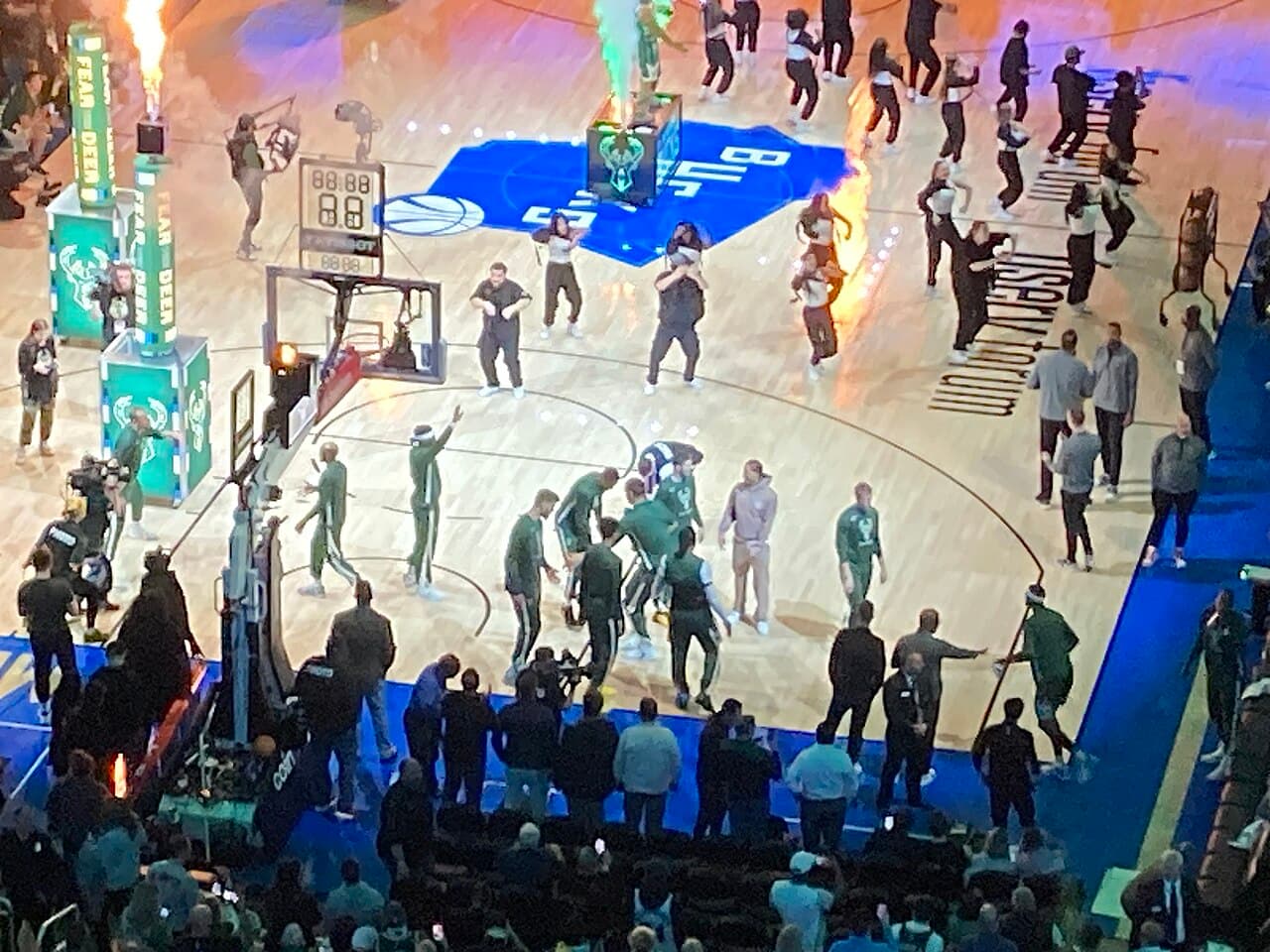
The Milwaukee Bucks made one of the offseason's most consequential structural moves when they hired Taylor Jenkins as head coach, a decision that points to a dramatic change in how Milwaukee will play. Jenkins, a former Bucks assistant who went 250-214 as the winningest coach in Memphis Grizzlies history across six seasons before being dismissed in March 2025, arrives with a clear and distinctive offensive identity. In his final Memphis season the Grizzlies ranked first in the NBA in pace, weaponizing speed, spacing, and transition to push the tempo as hard as any team in the league. Importing that system to Milwaukee reshapes the fantasy math for the entire roster.
For managers, a coaching change of this kind is one of the most reliable predictors of shifting fantasy value. Pace is the multiplier on every counting stat: more possessions means more shot attempts, more rebounds, more assists, and more defensive events to go around. A team moving from a measured half-court attack toward one of the league's fastest tempos is a team whose players are about to see their per-game opportunity recalibrated.
What Jenkins ran in Memphis
Jenkins' final Memphis offense was unlike anything else in the league. The Grizzlies leaned into a motion-heavy system that drew spacing and movement principles from other sports, virtually eliminating traditional NBA staples: they ranked near the bottom in pick-and-roll frequency and handoffs while ranking first in spot-up attempts and first in drives. They were first in transition attempts and the quickest team in the league to shoot after both rebounds and opponent makes.
The output was prolific. That Memphis team pushed to elite scoring volume on the strength of pace and early offense, putting up points near the top of the league. Jenkins built his offseason messaging around what he called the three Ps: pace, principles, and possessions. That framework is the lens through which to read his arrival in Milwaukee, because it tells managers exactly which levers he intends to pull.
How it changes the Bucks
Milwaukee's roster is built around Giannis Antetokounmpo, whose game already thrives in the open floor, which makes him the cleanest beneficiary of a faster system. A team that pushes after every rebound and miss plays directly to Antetokounmpo's downhill strengths, and more possessions for a high-usage superstar generally means more of everything in the box score. His fantasy ceiling, already elite, gets a structural tailwind.
The supporting cast is where the value shifts are less obvious and more actionable. A roster that includes Myles Turner, Bobby Portis, Kyle Kuzma, Ryan Rollins, and Kevin Porter Jr. will see possession counts climb, and the players who run the floor and shoot quickly stand to gain the most. Spot-up shooters benefit from a system that ranked first in spot-up attempts, while bigs who can rim-run and rebound in transition see their touches and board chances rise. Roles built around half-court grinding, by contrast, may shrink.
Fantasy fallout
The headline fantasy takeaway is that Bucks players broadly gain counting-stat opportunity. In a faster system, the same player can post a better per-game line without improving as a player, simply because there are more possessions to harvest. Managers should mark up Milwaukee's rotation pieces a tier in early-season projections, especially shooters and run-the-floor bigs whose skills match Jenkins' template.
The nuance is distribution. A motion offense that minimizes pick-and-rolls and handoffs can flatten usage, spreading shot attempts across spot-up looks and drives rather than funneling them through a single primary action. That is good news for complementary scorers who feast on open catch-and-shoot chances and trickier for players who depended on scripted ball-screen volume. Identifying which Bucks fit the spot-up-and-drive identity is the projection edge.
The Verdexed model take
Verdexed's pace-adjustment model treats a coaching change of this magnitude as a roster-wide multiplier rather than a player-by-player guess. Moving from a slower system toward one of the league's fastest tempos lifts the baseline projection for nearly every rotation player, with the largest gains flowing to the high-usage star and to the role players whose skills match the system's shot profile. The model flags Antetokounmpo as the clearest beneficiary and the team's spot-up shooters and transition bigs as the secondary winners.
The model also cautions against assuming every player gains equally. Pace lifts the tide, but a motion system that suppresses pick-and-rolls redistributes how that extra opportunity is earned, rewarding players who score off movement and penalizing those who relied on scripted actions. The actionable read is to buy the Bucks rotation broadly at their current, pre-system prices, while concentrating exposure on the players whose games most cleanly fit a fast, spacing-driven, spot-up-and-drive offense.
Betting angle
For bettors, the team-total and over/under implications are the first place this shows up. A faster Bucks team should push game totals upward, and any season-long markets set before the system's effect is fully priced may lag the reality of a top-pace offense. Early-season Bucks overs and pace-driven player props are the markets most likely to be soft while the league recalibrates to Milwaukee's new identity.
Player-prop markets are the second opportunity. Counting-stat props for Bucks rotation players, points, rebounds, and assists, should drift upward as the season's possession data confirms the tempo jump, so getting ahead of that drift is the edge. Bettors who price in the pace change before the lines do can capture value on both team totals and individual props in the opening weeks.
What's next
The immediate watch items are training-camp signals and the opening-week pace data, which will confirm how aggressively Jenkins imports his Memphis blueprint to a roster built differently from his old one. The Antetokounmpo situation remains a backdrop that could alter the roster around the system, so managers should track both the coaching install and any roster changes together. The actionable move now is to bump Milwaukee's rotation up a tier in early projections and target the players whose games fit a fast, spacing-first offense, then confirm with the first weeks of possession data once the season tips.