Bulls Hire Tiago Splitter Away From Portland: A Defense-and-Development Bet for Chicago's Rebuild
By Verdexed NBA Desk
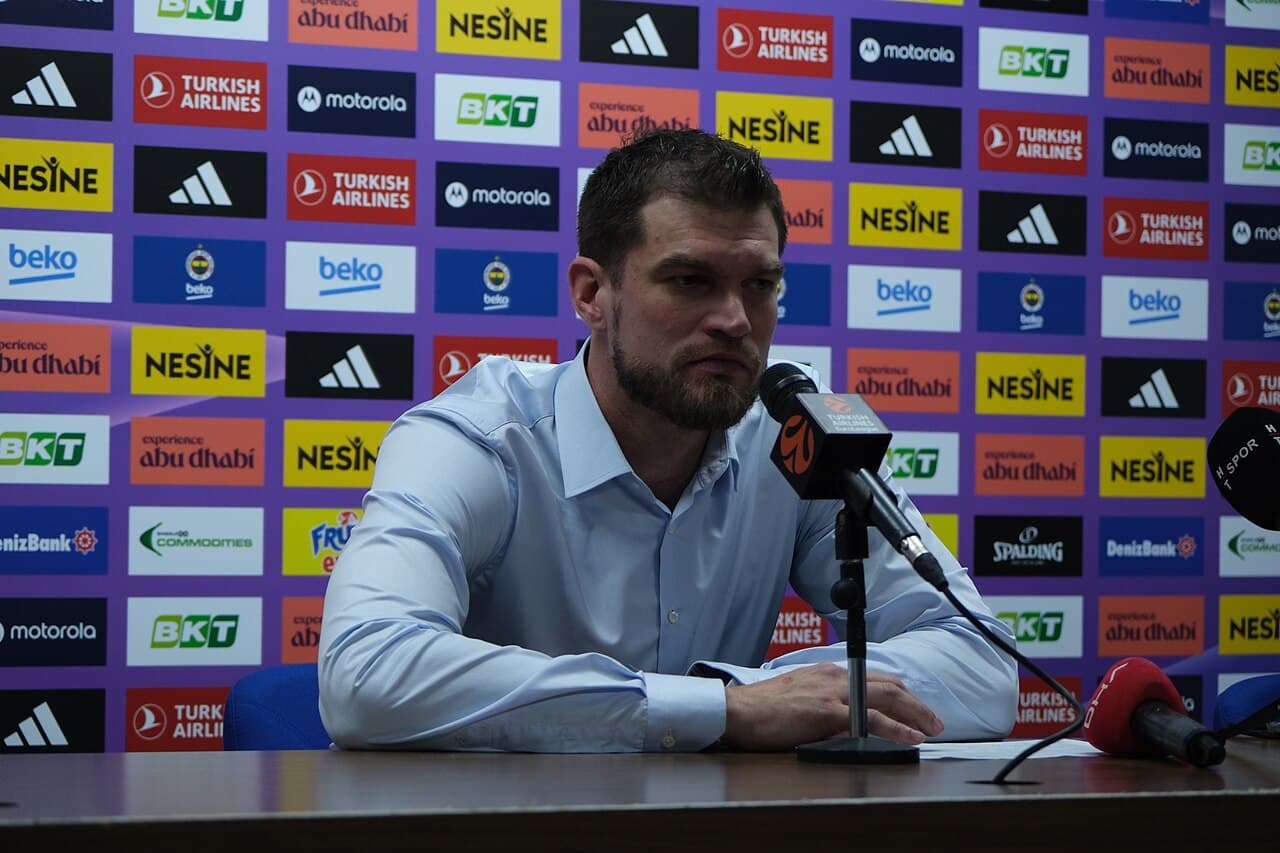
The Chicago Bulls have their new head coach, and it is a defense-and-development hire. Chicago hired Tiago Splitter, poaching him from Portland, in a move first reported in mid-June. The 41-year-old former center brings a defensive and player-development pedigree to a Bulls franchise in the middle of a reset, and the hire carries real implications for how Chicago's young roster develops and where its win total should sit.
Splitter arrives after serving as Portland's interim head coach, a role he stepped into under difficult circumstances and handled well, guiding the team to a roughly .500 record, a play-in victory, and a competitive first-round series before bowing out. That body of work, building a respectable defensive team out of a tumultuous situation, is the foundation of his appeal. He replaces a previous Bulls regime change, taking over a roster and front office that have been in transition.
Why the fit makes sense
The logic of the hire is defense and development. Splitter built his reputation as a defensive mind and a developer of young players, and that is precisely what a rebuilding Bulls team needs. Chicago is not a finished product chasing a title; it is a franchise trying to establish an identity and grow its young assets into something. A coach who can install a defensive structure and coax improvement out of developing players is a sensible match for that stage of the cycle.
The move also reflects a broader truth about this coaching carousel: teams are valuing defensive and developmental track records. Splitter is part of a wave of hires that prioritize structure and growth over offensive pyrotechnics, a meaningful signal about where the league's thinking sits for non-contenders.
Fantasy fallout for the young Bulls
The fantasy angle centers on Chicago's young players. A new coach with a development focus tends to expand the roles of ascending talents, and that can unlock fantasy value for players who were previously stuck behind veterans or in undefined roles. Managers in dynasty and keeper formats should pay attention to how Splitter distributes minutes and which young Bulls he commits to, because a defensive-minded coach who trusts his developing players can be a tailwind for their usage.
The flip side is that a defense-first system can suppress pace and scoring, which matters for fantasy production in points-heavy formats. The net effect depends on whether Splitter prioritizes development reps, which boosts individual volume, over a grind-it-out style that caps team scoring. The early rotation decisions will tell the story.
The betting angle
For bettors, the hire is an input into Chicago's win total. A defensive-minded coach typically raises a team's floor by making it harder to play against, even if the ceiling stays modest. The Bulls' over-under for the coming season should be read through that lens: Splitter's defensive structure could keep games closer than the roster's talent suggests, which is relevant for win-total and game-level totals bets.
The broader carousel matters here too. Splitter's departure leaves Portland searching for direction, and the ripple effects of this hiring cycle, including coaching brain-drain from successful organizations spreading across the league, reshape several teams' projections at once. Bettors setting win totals for the rebuilding tier should account for which franchises landed structure-and-development coaches versus which are still sorting out their benches.
The bigger picture of this coaching cycle
Splitter's hire is one piece of an active offseason coaching carousel, and the pattern across the league is instructive. Several franchises have prioritized coaches with defensive backgrounds and reputations for developing players, a sign that front offices building toward the future value structure and growth over flashy offensive systems. That trend has consequences beyond any single team: it spreads coaching talent from successful organizations across the league and reshapes the projection for multiple rebuilding rosters at once.
There is also a notable thread of assistant coaches from deep-playoff teams being plucked for head-coaching jobs, the natural byproduct of sustained organizational success. For dynasty managers and bettors tracking the league, the takeaway is that a wave of new voices is arriving in markets that were previously stagnant, and the teams that landed structure-and-development coaches like Splitter are the ones most likely to overachieve relative to their raw talent. That is the context in which Chicago's hire should be read.
The Verdexed model take
Verdexed's model treats a defensive-and-development coaching hire as a modest floor-raiser for a rebuilding roster, improving the team's defensive efficiency projection while leaving the offensive ceiling dependent on personnel. For Chicago specifically, the model nudges the defensive rating projection upward and treats the young core's fantasy value as role-dependent, with upside for whichever players Splitter commits to developing. The win-total read is a small bump driven by competitiveness rather than a leap, consistent with a rebuild finding its footing.
Net read: this is a sensible, floor-raising hire that should help Chicago's young players develop and make the team tougher to beat, without transforming it into a contender overnight.
What's next
The key developments to watch are Splitter's rotation decisions and which young Bulls he prioritizes, both of which shape fantasy value, and how the defensive structure translates to the win total. Contract terms for the hire were not the headline; the basketball implications are. For dynasty managers, the move is to track Chicago's depth chart closely once training camp arrives, because a development-focused coach can quietly elevate the right young player into fantasy relevance. For bettors, factor a defensive floor-raise into the Bulls' win total as the new system takes hold.