 NFL2026-10-09
Sean Payton Takes Back the Broncos' Play Calls From Davis Webb Before the Chargers Game
By Verdexed NFL Desk
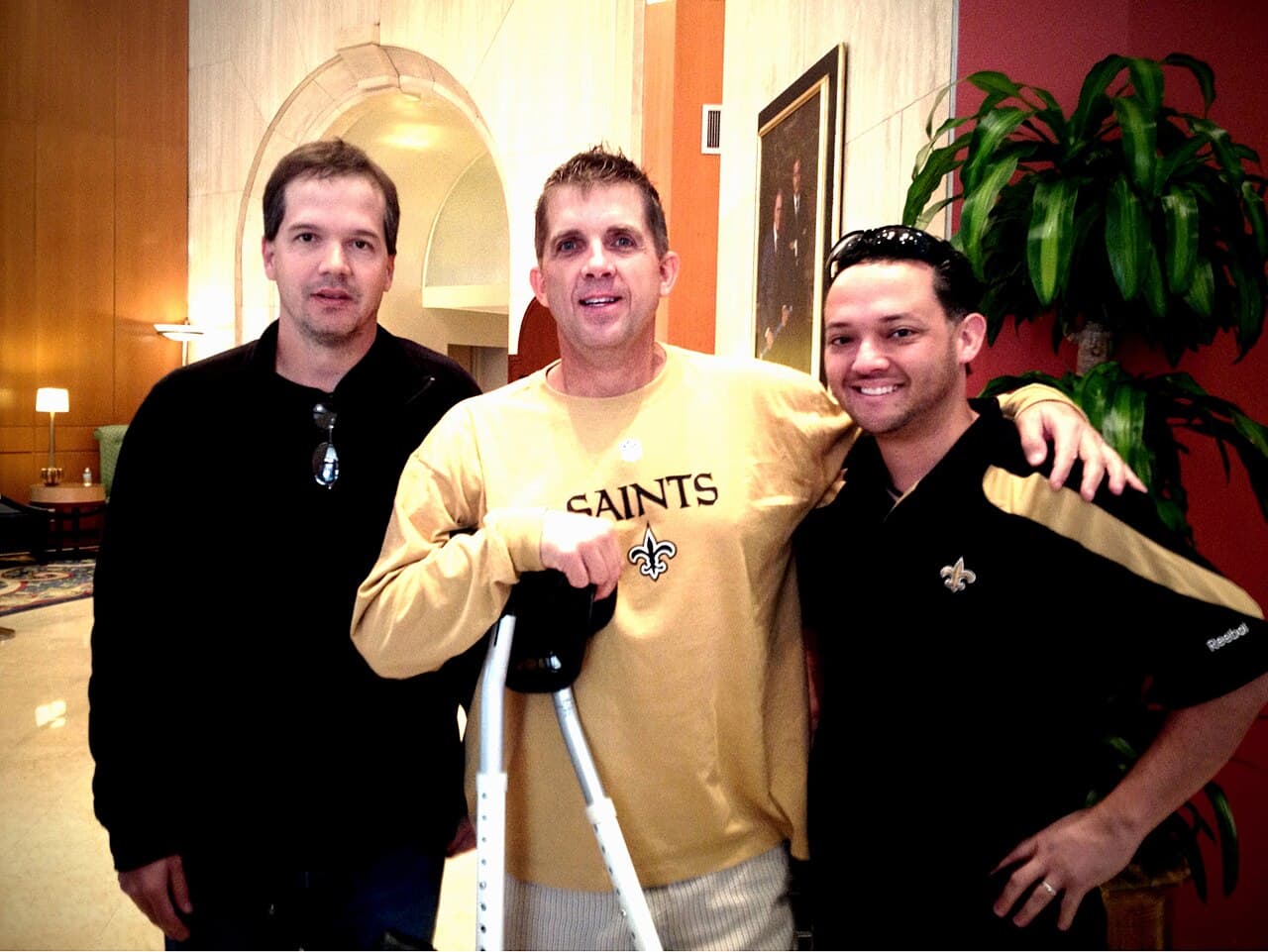
Sean Payton is calling the Denver Broncos' offensive plays again. The head coach confirmed on Thursday that he will handle the calls Sunday at the Los Angeles Chargers, taking over a job he handed to first-year offensive coordinator Davis Webb in February. The move comes after a 2-2 start in which Denver ranks 27th in both scoring and total offense, and it lands just in time for a matchup with an 0-4 Chargers team whose injury report is long and getting longer.
For fantasy managers and bettors, the question is simple: does a Payton-called game plan change the shape of the Broncos' offense, or just the voice in the headset? The answer matters for Bo Nix, for a receiver room led by Jaylen Waddle, and for an RJ Harvey role that is already one of the most valuable receiving jobs at running back.
What changed and what did not
Payton said he made the decision on Monday, after the 24-14 loss in San Francisco, and announced it at a media availability after practice later in the week. Webb is not being removed from the staff. Payton said Webb will stay involved in game planning and will be on the field with him on Sunday.
The exact division of labor is still a little blurry. ESPN's Adam Schefter first described it as a more collaborative play-calling approach, with Webb keeping a significant game-planning and game-day role. Later coverage, including Payton's own comments, framed it more directly as Payton calling the plays. Some reports have said Webb could still be the one relaying calls to Nix through the helmet, which is a detail worth watching but not one that changes who is making the decisions.
Payton also tried to lower the temperature. His public message was that the offense's problems come down to details at each position, not just who holds the call sheet. That may be true, but a head coach does not take back the headset after four games unless he believes the sequencing and situational calls are part of the issue.
Why the offense needed a jolt
The 49ers loss was a good snapshot of the problem. Nix completed 25 of 42 passes for 214 yards, one touchdown and no interceptions, and he was not sacked. Denver ran 22 times for 82 yards, converted 8 of 17 third downs and finished with 296 total yards. The Broncos did not reach the end zone until 4:10 remained in the fourth quarter, scoring only two field goals before that.
The efficiency numbers were not a disaster. By one tracking-data measure, Denver posted its second-best EPA per play of the season in that game. The issue was the shape of the offense. Fourteen of Nix's 25 completions went to running backs, and his 5.1 yards per attempt was his lowest since the opener in Kansas City. That is an offense living underneath and settling for kicks, and Denver has scored only 13 first-half points through four games.
That first-half number is the clearest argument for the change. Opening scripts and early-down calls are where a play-caller's fingerprints show up most. Payton built his reputation on scripted openings that attack specific coverage looks, and Sunday's first quarter will be the first real evidence of whether that version shows up.
The Chargers matchup helps
Payton picked a soft landing spot for his return. The Chargers opened 0-4 for the first time since 2017 after a 30-23 loss in Seattle, and the injuries are piling up. Left tackle Rashawn Slater has a high ankle sprain and Joe Alt is expected to miss Sunday with a neck injury. Safety Derwin James Jr. has a hamstring issue and missed Week 4, and Ladd McConkey did not practice Wednesday with a foot injury.
Denver's report is much lighter. Pat Bryant (ankle) is listed as doubtful, and linebacker Dondrea Tillman (neck) is questionable. The market reflects that gap.
| Market | Line | Note |
|---|---|---|
| Spread | Broncos -3.5 | Opened closer to a field goal or less |
| Total | 41.5 to 43 | Varies by book, moved down from 43.5 at open |
| Moneyline | Broncos about -185 | Chargers about +154 at consensus |
| Kickoff | Sunday, 4:05 p.m. ET | SoFi Stadium, CBS |
Mile High Report also pointed out that the Chargers have been a bottom-10 run defense, allowing more than 120 rushing yards per game. That opens the door for Payton to lean on a more balanced script than Denver showed in San Francisco.
Fantasy fallout
RJ Harvey is the biggest beneficiary of any version of this offense. He has been one of the league's most productive receiving backs, ranking at or near the top of qualifying running backs in target share and yards per route run, and Jonah Coleman is on injured reserve. If Payton wants to fix the first-half scoring, the quickest path is designed touches for Harvey in space. He is a confident RB2 with PPR upside this week.
Jaylen Waddle caught Denver's only touchdown pass in San Francisco and remains the receiver most likely to benefit if Payton pushes the ball downfield more often. CBS Sports lists him as a start this week, and FantasyPros has him in the WR2 to WR3 range. Treat him as a WR3 with upside against a banged-up secondary.
Courtland Sutton is the harder call. His target share has sat around 15 percent and he managed a season-low 1.4 fantasy points in Week 4. A play-caller change can reshuffle the pecking order, but there is no evidence yet that it will. He is a desperation flex until the usage changes.
J.K. Dobbins has been a drop candidate in several outlets, sitting outside the top 50 backs in points per game. A friendly run matchup gives him a slight bump, but Harvey's receiving role makes Dobbins a bench stash at best.
Bo Nix is a fringe QB2 who becomes interesting only if Payton opens up the passing game. He ran for only 10 yards in San Francisco, and without rushing production his weekly floor is thin.
The Verdexed take
We expect the change to show up first in tempo and early-down play selection rather than in a wholesale scheme shift. Payton has run this offense's game plan all along, so the vocabulary stays the same. What changes is in-game sequencing, and that is exactly the area where Denver's first halves have looked flat.
Against a Chargers team playing without both starting tackles, Denver's defense should create short fields, which helps a struggling offense more than any call sheet. Our lean is that the Broncos cover a short road number and that Harvey is the Denver player to trust in fantasy. We would stay away from the total until the Chargers' Friday injury designations, especially McConkey's, are final. Verdexed's game-by-game probabilities are at /nfl/predictions, and the weekly picks piece is at /blog/nfl-week-5-picks-2026.
What's next
Watch Denver's opening script on Sunday. If the first two drives feature more early-down passing and more pre-snap motion than the first four weeks, the change is real and Waddle's outlook improves for the rest of the season. If the Broncos again stall in the first half against a depleted Chargers roster, the problem is personnel, not the play-caller, and fantasy managers should start shopping Sutton and Nix.
Actionable takeaway: start Harvey as an RB2, play Waddle as a WR3, keep Sutton and Dobbins on the bench, and lean Broncos against the spread with a small stake if Slater and Alt are officially out.