 MLB2026-07-18
MLB Second-Half Prospect Stashes: Condon, Jenkins and Baez Are the Call-Up Bats to Add
By Verdexed MLB Desk
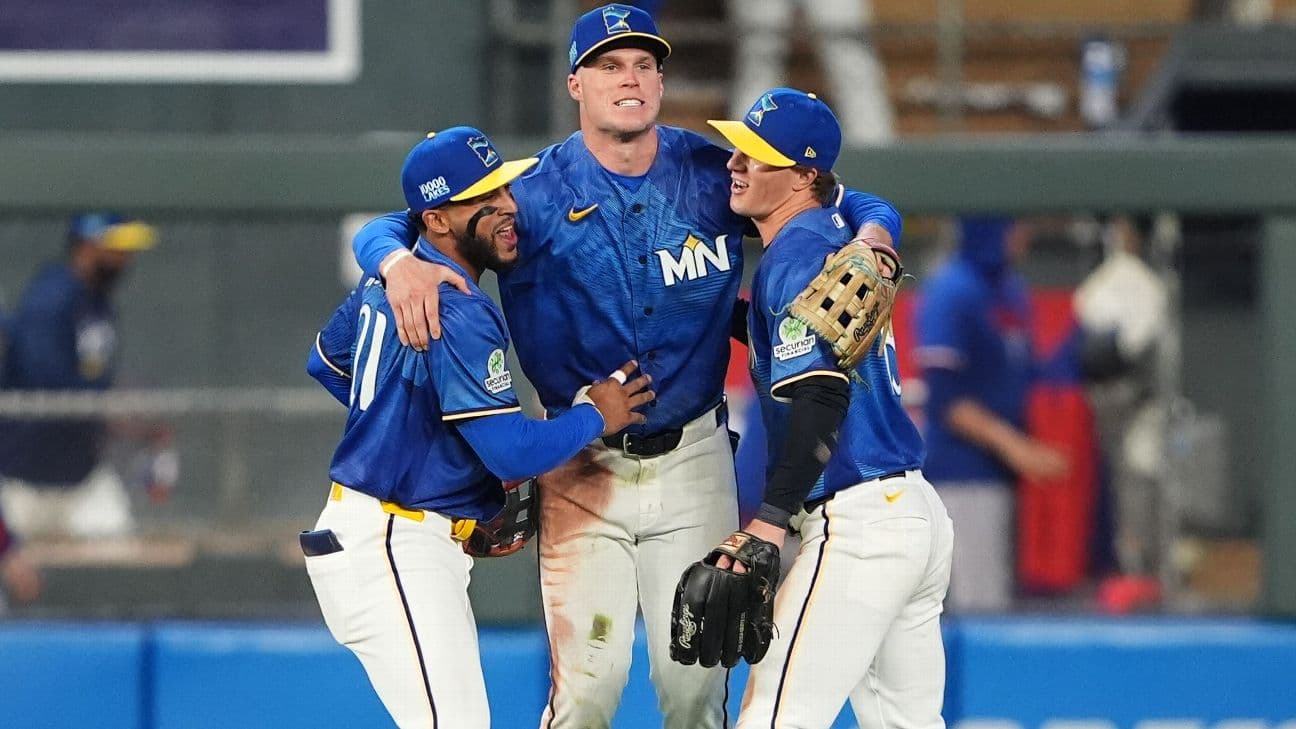
The All-Star break is the traditional starting gun for prospect promotions, and the 2026 second half is loaded with Triple-A bats knocking on the door. Charlie Condon, Walker Jenkins and Joshua Baez headline a group of hitters who are performing well enough to force decisions in the coming weeks, and in shallow-to-medium leagues they remain widely available. For managers chasing power and upside down the stretch, the stash-now, start-later window is open.
Why the second half is prime call-up season
Teams that spent the first half managing service time and roster crunch loosen up once contention and development timelines clarify. Contenders add bats to deepen lineups for playoff pushes; non-contenders promote young players to evaluate them for 2027. Either way, the weeks after the break historically produce a wave of debuts, which means the prospects performing at Triple-A right now are the ones most likely to matter for fantasy in August and September. The edge goes to managers who roster them before the transaction, not after.
Charlie Condon: power in the thinnest air in baseball
Charlie Condon is the highest-upside power stash on this list, and the reason is as much about address as ability. Condon is expected to debut sometime after the All-Star break, and he would play half his games at Coors Field, the most hitter-friendly environment in the sport. Power that plays anywhere plays louder in Denver, and reporting has pegged him as one of the top pure-power stashes in all leagues while still rostered in only a small fraction of them.
The fantasy case is straightforward: elite raw power plus the best home park for offense in baseball is a combination that can produce fantasy relevance almost immediately, even through the normal rookie growing pains. The risk is the standard rookie contact-and-consistency curve, but in a Coors context, even streaky power can win a category week. Condon is the stash to prioritize if home runs are your need.
Walker Jenkins: the polished bat with a broad base
Walker Jenkins offers a different profile: a polished, well-rounded hitter whose Triple-A performance suggests he is close to ready. Reporting has him hitting in double-digit games out of a recent stretch and posting a healthy slash line at Triple-A St. Paul with a mix of power and speed since returning from the injured list. That combination of on-base skill, developing pop and the ability to steal a base gives him a higher floor than a pure slugger and more category coverage for fantasy rosters.
Jenkins is the stash for managers who value stability and multi-category contribution over raw ceiling. If he is promoted, his approach and hit tool should let him contribute across batting average, runs and steals sooner than a boom-or-bust bat would, making him a smoother add for teams already competitive in the standings.
Joshua Baez: the power-speed swing from Triple-A
Joshua Baez has forced his way into the conversation with a loud Triple-A season, pairing a high home run total with a chunk of stolen bases, the kind of power-speed combination that fantasy managers dream on. A former high draft pick, Baez has the physical tools to make an impact quickly if promoted, and reporting has floated him as one of the first bats up after the break.
The caveat with Baez is the swing-and-miss that often travels with big-tool sluggers at their first taste of the majors. His fantasy value is ceiling-driven: in the weeks he connects, he can carry power and speed simultaneously, but the batting average may be volatile early. In deeper leagues and in any format that rewards home runs and steals over average, he is a worthwhile speculative add.
Names already up, and the honorable mentions
The promotion wave is already moving. Recent call-ups have included a mix of young bats and arms across contending and rebuilding rosters, and the pace typically accelerates through late July as the deadline reshuffles depth charts. Managers should treat the trade deadline itself as a second catalyst: when veterans get moved, the prospects behind them get opportunity, so track which organizations are selling and which of their upper-level bats stand to inherit playing time.
The fantasy strategy
The stash game is about timing and roster cost. In leagues with deep benches or minor-league slots, rostering Condon, Jenkins and Baez now is close to free, and the payoff is owning the player before the news breaks rather than bidding against the room after. In shallower leagues, prioritize the profile that fits your build: Condon for power and the Coors boost, Jenkins for a stable multi-category floor, Baez for speculative power-speed upside.
The Verdexed model take
Verdexed's model ranks Condon as the highest expected-value stash of the group specifically because of the park effect: the model weights home environment heavily for power hitters, and a Coors address raises his projected fantasy output above what his raw tools alone would suggest. It views Jenkins as the safest add, projecting the smoothest transition to major-league production thanks to his hit tool and multi-category base, and it treats Baez as the highest-variance play, with a ceiling that justifies a bench spot in deeper formats but a floor that argues against relying on him in shallow ones. Across all three, the model's core message is the same: the value is in stashing before the call-up, when the acquisition cost is lowest.
What to do in your league
Add Condon everywhere you can if you need power and have a bench spot; the Coors upside is too good to leave on waivers. Grab Jenkins if you want a stable multi-category contributor for a contending roster. Speculate on Baez in deeper leagues and power-speed formats. And watch the deadline closely: the sellers of late July create the opportunities that turn stashes into starters in August.