The Cubs Moved Daniel Palencia to the 60-Day IL and Jacob Webb Has Not Given Anyone a Reason to Take the Job Back
By Verdexed MLB Desk
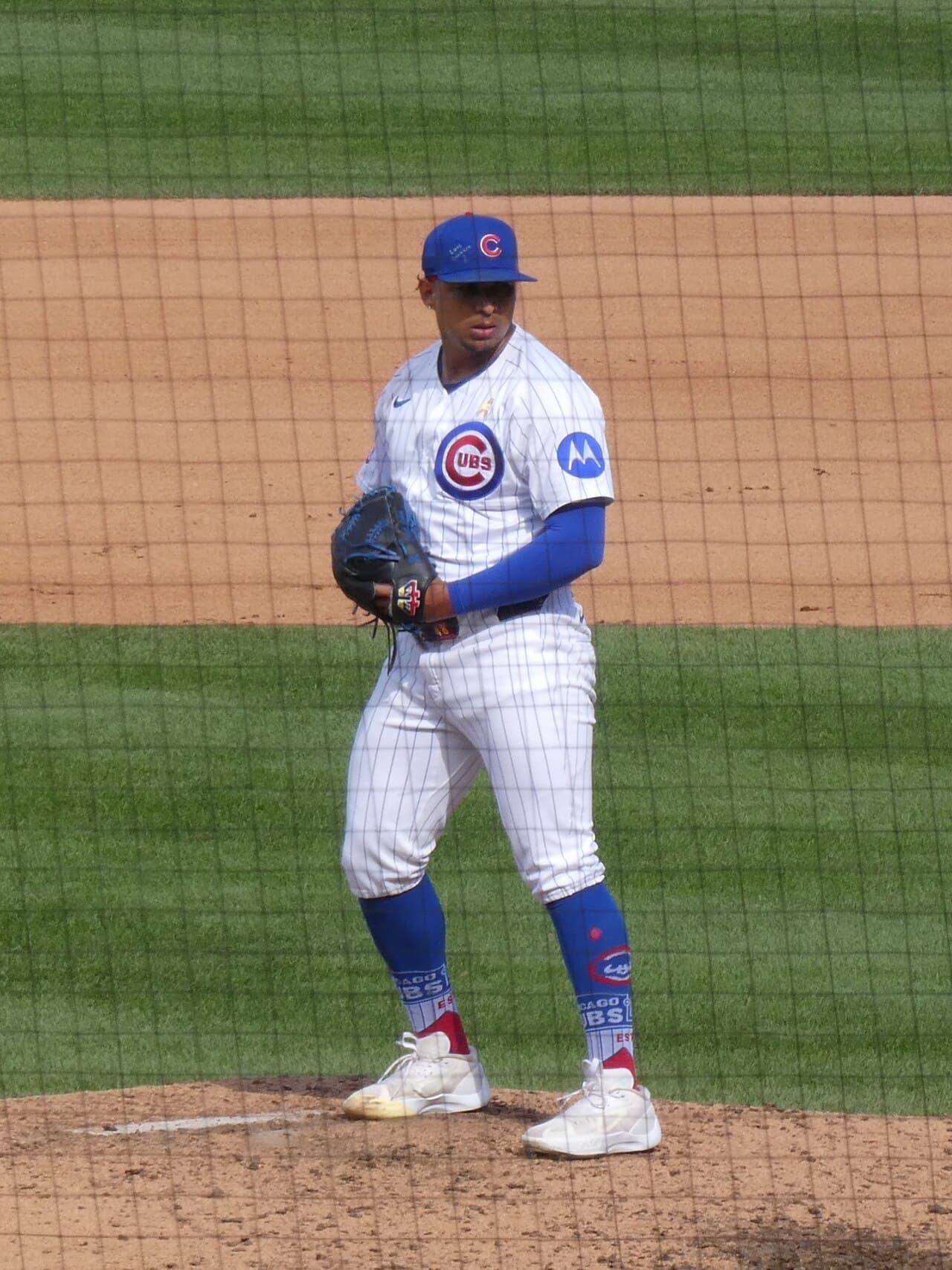
The Chicago Cubs transferred closer Daniel Palencia from the 15-day injured list to the 60-day injured list on Monday, a move reported as a roster-mechanics decision to open a spot rather than an indication that his condition has worsened. Even framed that way, it lands at a moment when Palencia's return has become genuinely uncertain and his replacement has given the Cubs no reason to make a change.
Palencia, Chicago's saves leader in 2025, has been out since mid-June with a mild right flexor strain. Because the 60-day clock runs from the original injured list placement rather than from the transfer date, the administrative move does not by itself extend his absence much. What is extending it is the rehab assignment.
That rehab has gone badly. Across three outings, Palencia has posted an ERA above 19, and his most recent appearance in Knoxville produced two outs, four earned runs, a hit batter and three walks, with every runner scoring. Manager Craig Counsell has publicly noted that Palencia has been slow to progress and has had to repeat steps in the program, and the Cubs have described their approach as flexible.
"Flexible" is the operative word, and fantasy managers should read it plainly: Chicago has not committed to giving Palencia the ninth inning back.
Jacob Webb has removed the argument
The reason the Cubs can afford to be patient is that Jacob Webb has been close to unhittable. He carries an active streak of scoreless appearances that has stretched past 20 outings, and he has recorded each of Chicago's most recent successful saves.
That combination, a long run of clean innings plus actual save conversions, is the specific profile that turns a fill-in into an incumbent. Managers change closers when the current one blows games. Nothing in Webb's recent work gives Counsell a reason to.
There is a caveat worth stating honestly. Webb's career profile is that of a quality middle reliever rather than a prototypical high-leverage closer, and long scoreless streaks by relievers of that type are frequently accompanied by underlying metrics that suggest regression is coming. A manager acquiring Webb today is buying a role, not a skill breakout, and roles in a bullpen are the least stable asset in fantasy baseball.
Fantasy fallout
The action item depends on what a roster needs.
For managers chasing saves: Webb is the add, and he should be a high-priority claim in any league where he is available. Saves are the scarcest category in fantasy baseball down the stretch, and a reliever with a clear hold on the ninth inning of a contending team is worth an aggressive bid regardless of his profile.
For managers already holding Palencia: hold, but stop counting on him. A rehab this rough with this little progress means his return date is not knowable and his role on return is not guaranteed. In shallower leagues, he has become a droppable stash. In deeper leagues where saves are scarce, he is still worth a bench spot on the chance the Cubs hand the job back once he is right.
For managers holding both: this is the best position available, and it should be held. Owning both sides of an unresolved closer situation eliminates the risk entirely, and the cost is one roster spot.
The broader August saves market
The Cubs are not an isolated case. This has been an unusually chaotic August for closers league-wide, with committees forming in multiple bullpens and established ninth-inning arms landing on the injured list.
The structural reason is worth understanding, because it changes how a manager should approach the last six weeks of a season. Bullpen usage in August and September on contending teams becomes matchup-driven rather than role-driven. Managers who are fighting for playoff position stop protecting a designated closer's save total and start using their best reliever in the highest-leverage inning, whichever inning that is.
The practical consequence is that saves become harder to predict from a depth chart and easier to predict from usage patterns. The reliever to target is not the one labeled closer. It is the one being used in the ninth inning of one-run games, which for Chicago right now is Webb.
The Verdexed model take
Verdexed's reliever projections weight recent high-leverage usage far more heavily than depth-chart designation, because designation lags usage by roughly two weeks on average and fantasy value follows usage.
By that measure, Webb currently carries the highest projected remaining saves on the Cubs roster by a wide margin, and Palencia's projection has fallen below the threshold where he would be a recommended roster hold in a standard twelve-team league.
The model does keep a meaningful probability on Palencia reclaiming the role, because his 2025 season established him as the organization's preferred option and teams return to their preferred option when it is healthy. But that probability is now conditional on two things happening in sequence: a clean rehab outing, and a return with the Cubs still in a position where they want to reset the bullpen hierarchy. Neither is close to certain.
The betting angle
Cubs game props are where this shows up. Chicago's team totals and run lines do not move on a bullpen change, but first-five-innings markets and live-betting patterns do.
A team with an effective and consistently deployed ninth inning holds leads at a higher rate than the market prices, and books are slow to update a bullpen quality assessment mid-season. If the Cubs continue converting late leads at their recent rate while their run-line pricing stays anchored to a preseason bullpen grade, the correction is a live edge on Chicago as a late-game favorite.
What's next
Watch Palencia's next rehab outing, and watch whether the Cubs announce anything about a role on his return. A clean inning would restart the conversation. Another outing like the last one would effectively end it for 2026, and would make Webb a rest-of-season closer rather than a fill-in.