 NBA2026-07-24
Kawhi Leonard's Trade to Toronto Sits in Limbo: The Fantasy Stakes for the Raptors and Clippers
By Verdexed NBA Desk
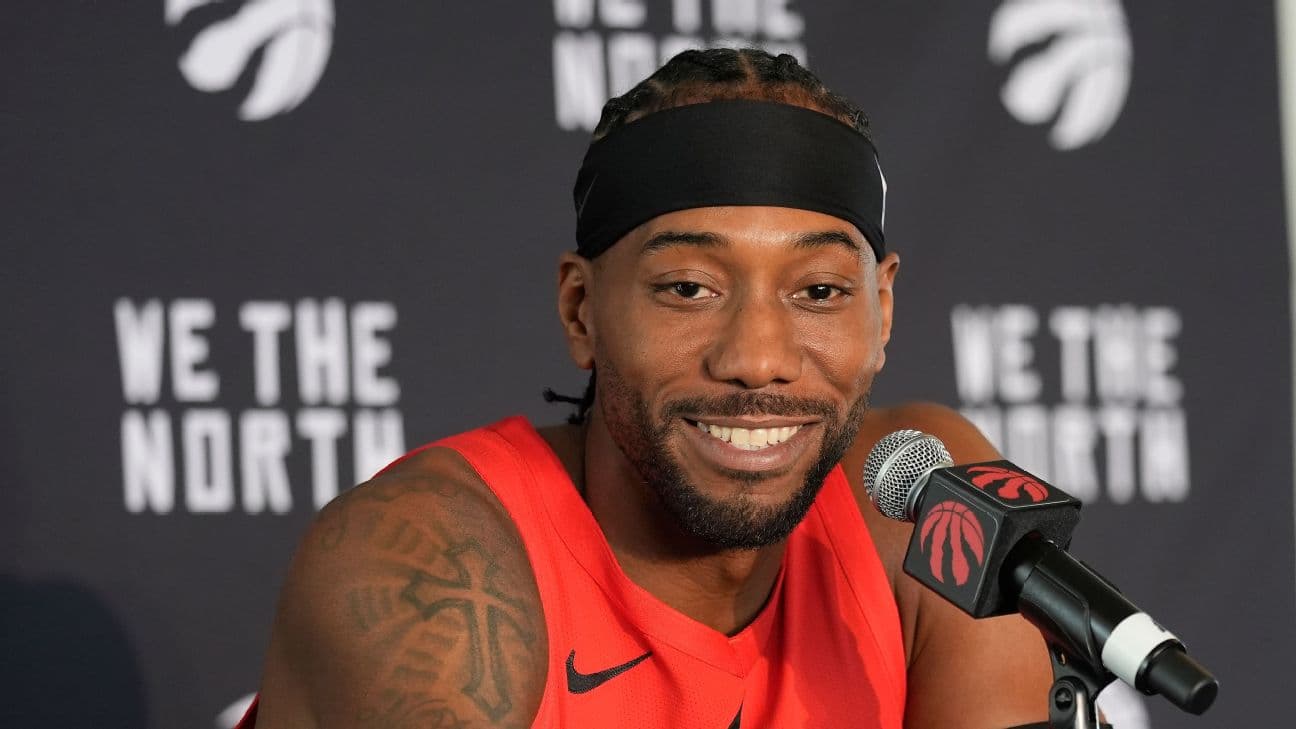
One of the biggest trades of the NBA offseason is agreed but not finished, and the limbo it has created is a genuine fantasy problem. The Clippers and Raptors agreed to send Kawhi Leonard to Toronto, but the deal has been paused and will not be completed until the NBA's investigation into whether the Clippers circumvented the salary cap is resolved. The trade's status remains unsettled, and with it the fantasy outlook for two rosters and several rotation players. Until it closes or collapses, managers are drafting into uncertainty on both sides.
The framework and why it is on hold
Under the agreed framework, Toronto would acquire Leonard while sending Brandon Ingram, Gradey Dick, multiple future first-round picks and additional draft compensation to the Clippers. The complication is procedural: the trade will not be finalized until the league's probe concludes, and reporting indicates the Clippers' position is that the deal can only close if the Raptors' ownership assumes the risk of any penalties tied to Leonard's contract that could result from the investigation. That is an unusual condition, and it introduces real doubt about whether the trade is completed as agreed, modified or scrapped entirely.
For fantasy purposes, the key word is uncertainty. An agreed trade that is publicly paused is different from a done deal, and managers should not treat the rosters as settled until the transaction is official. The range of outcomes is wide enough that drafting either team's players requires a plan for multiple scenarios.
The fantasy stakes for Toronto
If the trade closes, Leonard becomes the centerpiece of the Raptors, a high-usage two-way star whose fantasy value has always been elite on a per-game basis and perennially capped by load management and health. That combination makes him a boom-or-bust fantasy pick: dominant production when he plays, frequent rest days that erode his season-long floor. A move to Toronto does not change that fundamental profile, and drafters should continue to price Leonard as a high-ceiling, high-risk asset whose games-played total is the swing factor.
The players potentially leaving Toronto matter just as much for value hunters. Ingram is a high-usage scorer whose fantasy stock rises significantly if he lands with the Clippers in a featured role, and Dick is a young shooter whose opportunity could expand or contract depending on where he ends up. Until the trade is official, all three carry conditional value that shifts based on their eventual team.
The fantasy stakes for the Clippers
On the Los Angeles side, the incoming players reshape the rotation and the shot distribution. If Ingram joins the Clippers, he steps into a scoring role that could support strong usage-driven fantasy numbers, making him one of the more interesting conditional targets of the entire saga. The picks and role changes ripple through the rest of the roster too, with minutes and touches redistributing in ways that create sleeper value for the players who remain.
The limbo also affects the Clippers' incumbent options. A roster built around Leonard looks very different from one built around a return package headlined by Ingram, and the fantasy value of the supporting cast swings with which version of the team takes the floor. Managers should hold off on locking in Clippers players until the situation resolves.
The Verdexed model take
Verdexed's model handles unresolved trades by projecting conditional outcomes rather than committing to one roster, and Leonard is the clearest example. The model continues to rate him as an elite per-game producer with a heavily discounted games-played projection driven by his history of rest and injury, and it notes that this profile is unchanged whether he ends up in Toronto or stays in Los Angeles. The bigger model movement is on the return package: Ingram's projected value climbs in a featured scoring role, and the model flags him as a conditional buy pending the trade's completion.
The model's overarching guidance is to treat the entire situation as live until it is official. Because the deal is paused rather than done, the value of at least half a dozen players is unsettled, and the model recommends drafting with a plan for both the trade closing and it falling through rather than assuming either outcome.
There is a season-long betting dimension too, because an unresolved star trade scrambles win totals. Sportsbooks have to price the Raptors and Clippers around an uncertain outcome, and that uncertainty can create value for bettors who form a strong view on how the investigation resolves. A Toronto win total set before Leonard's status is confirmed may be soft in either direction depending on whether the deal closes, and the same is true for the Clippers. The disciplined approach is to wait for clarity before committing to a futures position, but sharp bettors who are confident about the resolution can find an edge in numbers that were set under maximum uncertainty. As with the fantasy side, the value is in reading the outcome before the market does.
What to do in your league
Keep pricing Kawhi Leonard as a high-ceiling, low-availability star whose value is about games played, and do not let the trade limbo change that core read. Track Brandon Ingram as the most interesting conditional value in the deal, a high-usage scorer whose fantasy stock jumps if he lands in a featured role. Hold off on committing to the supporting casts of either team until the transaction is official, because a paused trade means unsettled rotations. In a summer this quiet, this is the one NBA story with the power to reshuffle multiple fantasy outlooks the moment it resolves.