Jahmyr Gibbs Resets the Running Back Market Again at $67.5 Million
By Verdexed NFL Desk
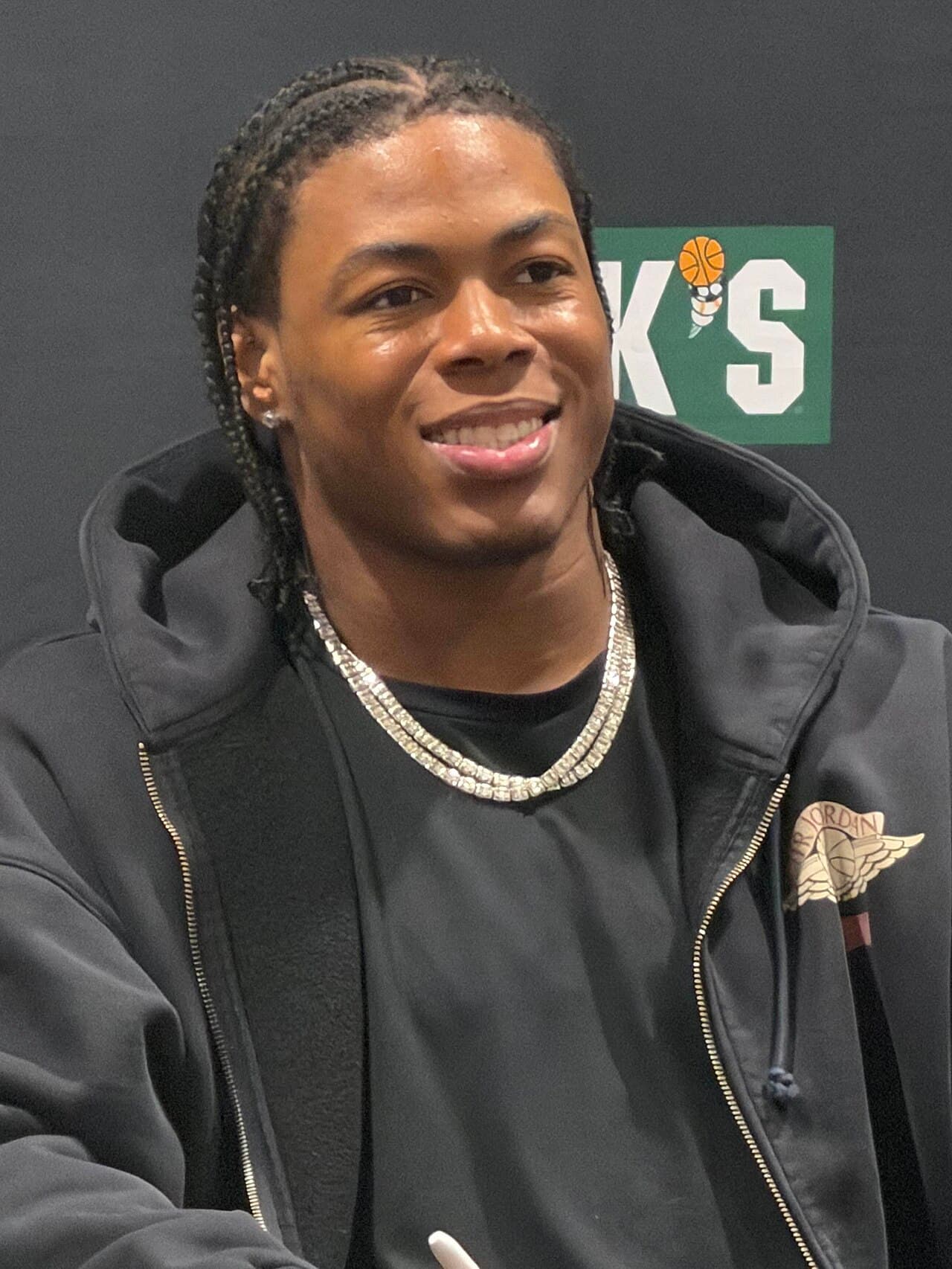
Jahmyr Gibbs and the Detroit Lions agreed Thursday on a three-year extension reported at $67.5 million, a deal that can climb toward $75.75 million with incentives and reportedly includes roughly $51.5 million guaranteed. At about $22.5 million per year, it makes Gibbs the highest-paid running back in the league and ends a hold-in that had kept him off the practice field for the first week of camp. The news was first surfaced through his representation and confirmed across the national outlets Thursday evening.
For fantasy managers, the headline is not the money. It is the calendar. Gibbs is a first-round pick in every format, and until Thursday he had a contract dispute layered on top of a minor back issue that surfaced during his conditioning test. Both of those risk factors are now effectively gone, three weeks before the games that matter.
What actually changed on Thursday
Gibbs had reported to camp but was not practicing, the standard modern hold-in that avoids fines while applying pressure. He returned to the field on Thursday for the first time, working through the walkthrough with teammates before splitting off with a trainer during position and team drills. Head coach Dan Campbell had already downplayed the back issue earlier in camp, saying he did not think it was severe, and the team's public posture never suggested a real injury concern.
Stack the extension on top of that return and the picture is clean: Gibbs is under contract through the back half of his prime, he is healthy enough to be on grass, and Detroit has no reason to be cautious with him beyond ordinary August load management.
The market context matters too. Bijan Robinson signed his own record extension with Atlanta earlier this week at a reported $22.25 million per year, briefly holding the top spot. Gibbs cleared it by a small margin. Indianapolis then extended Jonathan Taylor on Thursday as well. Three of the position's top backs came off the board inside a week, which tells you how the league is currently valuing high-volume, pass-catching running backs after several years of suppressing that market.
The production case behind the number
Gibbs has been the most efficient scorer at the position since he entered the league. He reached 49 total touchdowns across his first three seasons, which passed Barry Sanders for the most by any player through three years in league history, a mark he cleared late last season. Detroit has used him as a true dual-threat rather than a two-down back, and that is the reason he is priced above the field.
The Lions did not strip the room to make this work. Detroit added veteran Isiah Pacheco this offseason and continues to develop third-year back Sione Vaki, so there is a functional complementary piece behind Gibbs. That is worth noting for anyone hoping the extension signals a workload spike into the low 20s in carries. It probably does not. What it signals is that Detroit intends to keep feeding Gibbs the touches that matter most for fantasy scoring: goal-line work and routes out of the backfield.
Fantasy fallout
Gibbs stays where he was in Verdexed's board, which is inside the top three overall in PPR. The extension does not raise his ceiling. It removes the tail risk that was quietly baked into his August price, and in a draft season where the top of the first round is crowded with receivers coming off injuries, a clean-bill running back with elite touchdown equity is the safer selection.
The secondary read is on Pacheco. He was a sensible late-round handcuff at his cost, and he remains one, but the extension makes the pessimistic version of the Gibbs season less likely. Pacheco is a contingency asset now, not a committee bet. Managers who were drafting him on the theory that Detroit would spread work in a contract year should lower the priority.
The third read is on the Lions passing game as a whole. Detroit paying its running back at this level is a statement about how the offense is built. Expect the same run-heavy, play-action-leaning structure that has defined the last several years, which caps the raw pass volume for the receiver room even as efficiency stays high.
The Verdexed model take
Our projection system had already been treating the extension as a likely resolution rather than a coin flip, so the movement in Gibbs's projected touches is small. The larger adjustment is on variance. Removing a holdout scenario and a soft-tissue flag compresses the downside tail on his weekly range, which is exactly what you want in a player you are spending premium capital on.
On the team side, Detroit's projected win total was never going to swing on this. What moves slightly is the model's confidence in the Lions' red-zone conversion rate, which has been one of the better inputs in their scoring profile precisely because of Gibbs. A healthy, motivated Gibbs playing a full season keeps that input near the top of the league. If you are shopping Detroit team totals in Week 1, the extension is a small nudge toward the over rather than a reason to sit out.
Betting angle
The cleanest tie-in is the rushing touchdown market. Gibbs has been one of the league's most reliable red-zone finishers, and season-long touchdown props on him will be priced accordingly. There is rarely value chasing an established scorer at a short number. The better version of the bet is anytime-scorer pricing in specific matchups once the schedule and defensive personnel come into focus in September.
The other market to watch is the Detroit team rushing prop family. With the extension done and Gibbs available for the full preseason ramp, there is no discount available on Detroit's ground game. If a book prices Lions rushing yardage as if the hold-in were still live, that is a stale number worth taking.
What to do in your league
Draft Gibbs where you had him, which for most rooms is somewhere in the first four picks. Do not pay up for the news. The market for a top-five overall asset does not move on a contract resolution that most drafters assumed was coming.
If you are in a dynasty league, this is a modest positive. Three additional guaranteed years at a premium salary makes Detroit far less likely to move on from him at 27 or 28, which is the age band where running back dynasty value typically evaporates. Gibbs should stay at or near the top of the positional dynasty board.
What's next
Detroit has not indicated when Gibbs will take full team reps, and there is no reason for the Lions to rush that. Watch for his first padded practice and then whether he takes any preseason snaps at all, which would be a mild surprise for a player who just signed this deal. The more meaningful checkpoint is the first official injury report of the regular season. If Gibbs is not on it with a back designation, the entire August storyline is closed.