 MLB2026-08-28
Eight Teams Are Chasing One AL Wild Card Spot With a Month to Play
By Verdexed MLB Desk
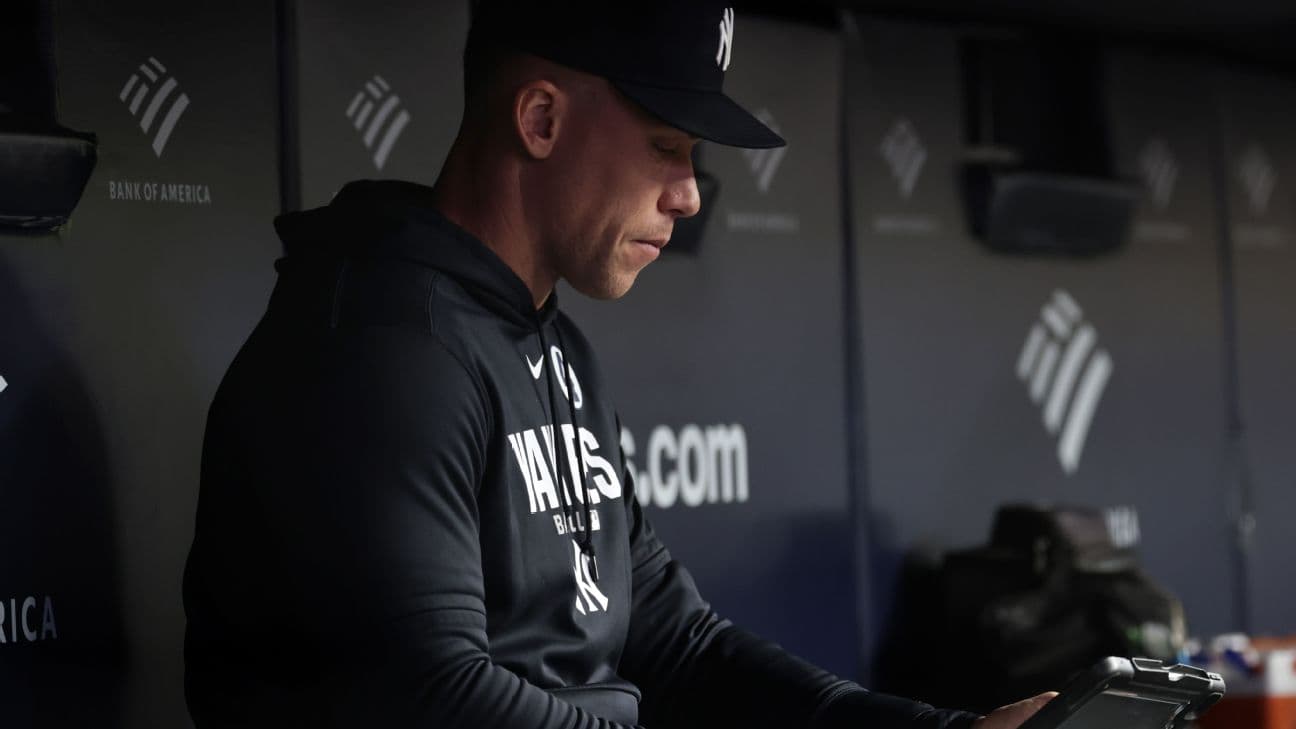
The American League wild card race has ten teams technically alive for three spots, and that framing badly overstates the drama. The Red Sox and Yankees occupy the top two positions by a wide margin. The actual race is eight teams fighting for one berth, and nearly all of them are hovering at or just below .500 with roughly 30 games remaining.
That is an unusual shape for a playoff race, and it creates a specific kind of opportunity for both fantasy managers and bettors. A field of mediocre teams separated by two or three games means the winner is likely to be decided by schedule strength and by which clubs stay healthy, rather than by which club is actually best. It also means the pack includes teams that are simultaneously buyers of hope and sellers of playing time, which scrambles the usual September patterns.
Who is in the scrum
The teams in the mix for the third spot include the Guardians, Blue Jays, Twins, Orioles, Mariners and Tigers, with the Astros and Rangers also involved while contesting the AL West lead. That last detail matters: a division race and a wild card race running through the same two teams means every Houston and Texas head-to-head game carries double weight, and it means one of them is very likely to end up occupying the wild card slot the other six are chasing.
Strip that out and the honest read is that six teams are competing for one spot that two other teams have a strong claim on. That is a brutal structure for a club sitting at .500 in late August, and it is why several of these teams will look like sellers of playing time by the second week of September even while remaining mathematically alive.
The most important variable across the group is not talent. It is schedule. With 30 games left, the difference between playing a stretch of eliminated teams and playing a stretch of division leaders is worth two or three games in the standings, which in this race is the entire margin.
The fantasy fallout
This is the environment where fantasy playoff rosters are won and lost, and the mechanism is playing time rather than talent.
A team that falls three or four games back in the first week of September starts making decisions that look like surrender: a young catcher gets the bulk of the starts, a veteran on an expiring contract sits, a closer with an innings concern gets shut down. Every one of those decisions creates or destroys fantasy value overnight, and none of them is announced in advance.
The actionable version is to hold assets on the teams that will still be playing meaningful games in late September and to be aggressive about moving assets on teams likely to fade. Boston and New York are the safest homes for that reason. The eight teams in the scrum are the least safe, not because their players are worse but because their usage is about to become unpredictable.
Relievers deserve special attention. Closer roles on fading teams turn over first, and they turn over without warning. Any manager chasing saves in the final month should be monitoring the standings as closely as the box scores, because the teams that drop out of the race are the ones that hand the ninth inning to someone new.
The betting angle
The playoff-odds markets on these teams are where the mispricing lives. Books price wild card futures largely off current record and run differential, and both of those inputs are noisy over a 30-game window. What they capture less well is the remaining schedule and the roster stability of each contender.
A useful discipline is to separate the field into two groups: teams whose remaining schedule is weighted toward eliminated opponents, and teams facing a gauntlet of division leaders. In a race where the entire margin is two or three games, that split is worth more than any difference in team quality among the eight, and it is not fully priced.
The second angle is on game totals rather than futures. Teams fighting for a wild card spot in September manage bullpens more aggressively, pull starters earlier, and use their best relievers in the seventh inning instead of saving them. That suppresses run scoring in the late innings of games between contenders and inflates it in games where one side has given up. Late-inning and team-total markets are the cleaner expression of that than sides are.
The Verdexed model take
Verdexed's model gives the two teams contesting the AL West a materially higher probability of occupying the third wild card spot than the raw standings suggest, because one of them is nearly certain to finish second in the division and land in that position by default. That reduces the effective field chasing the berth from six teams to something closer to a coin flip among two or three.
Among the rest, the model favors run differential over record as the better predictor of the final month, which is a well-established finding and one that markets partially but not fully incorporate. The teams whose records exceed their run differential are the ones most likely to fade, and in a race this tight, one bad week is decisive.
The model's overall read on the race is that it is closer to decided than it looks. A field of .500 teams chasing one spot behind two clubs already positioned to take it is not a race with eight live participants. It is a race with two or three, and a lot of teams that will be eliminated in mid-September while still being described as contenders.
What's next
The first week of September is the checkpoint. Roster expansion arrives September 1, the postseason eligibility deadline passes on August 31, and the teams that fall three or more games back in the first ten days will start behaving like sellers regardless of what their front offices say publicly.
For fantasy managers, that is the moment to reassess every player on a fading roster. For bettors, it is the moment when the futures market finally reprices and the value disappears. The edge exists now, in the window where eight teams are still being treated as equals and only two or three of them actually are.