 MLB2026-07-16
Chasing Saves at the Deadline: How the 2026 Relief Market Will Reshape Your Fantasy Bullpen
By Verdexed Fantasy Desk
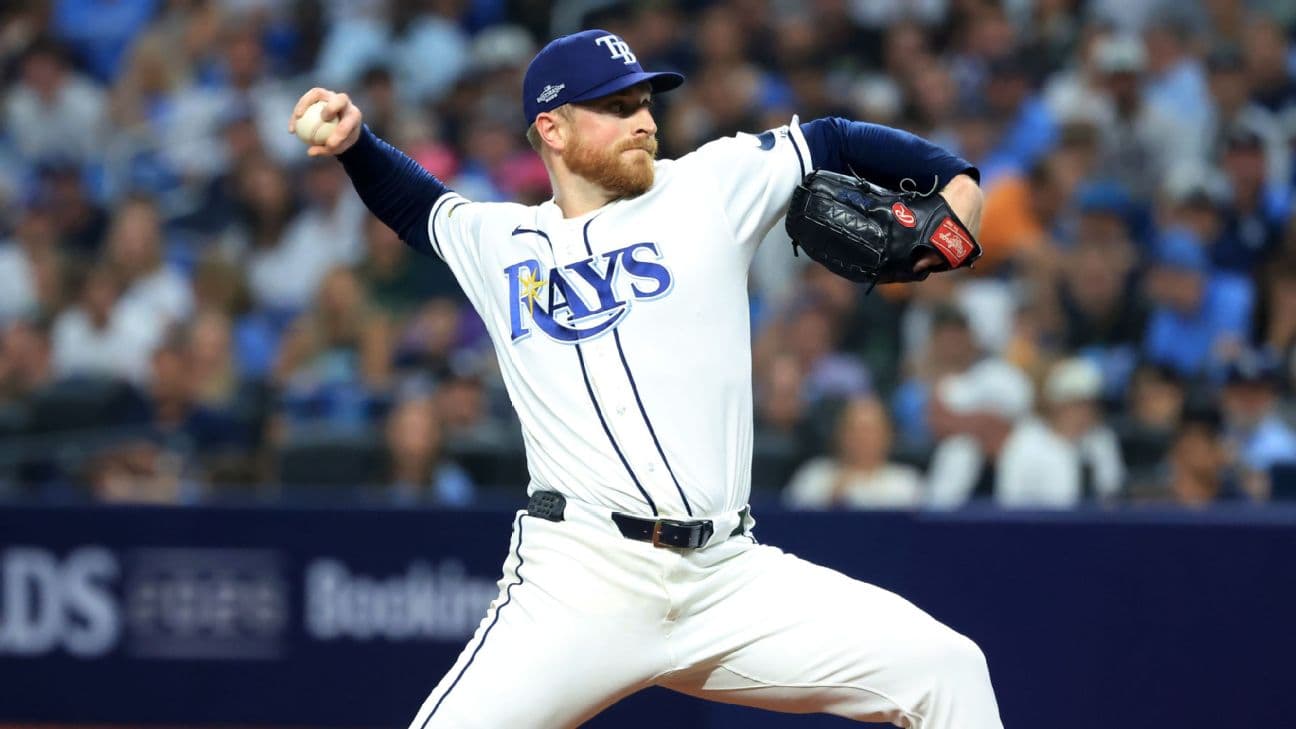
No position in fantasy baseball is more volatile than the closer, and no event churns it harder than the trade deadline. Relievers are among the most frequently moved pieces before Aug. 3, and every swap sets off a chain reaction: a closer changes teams and loses his ninth-inning role, a setup man inherits saves, and a contender's bullpen hierarchy gets rewritten overnight. Getting ahead of that churn is one of the highest-leverage things a fantasy manager can do in late July.
The market is loaded with relief arms
The headline reliever names circling this deadline are familiar. San Diego's Mason Miller has drawn heavy interest, with the Yankees among the clubs reportedly enamored, and he profiles as one of the most impactful arms who could move because he pairs elite production with years of club control. Boston's Aroldis Chapman has been floated as a near-lock to be dealt, carrying one of the highest reported probabilities of changing teams of anyone in the market. Those are the marquee arms, but the deeper truth is that dozens of relievers change hands every deadline, and the ripple effects reach far beyond the stars.
The volatility is not hypothetical. Well over a hundred different relievers had already recorded a save through mid-July, a staggering figure that underscores how unstable closer roles have become across the league. That churn is the fantasy opportunity.
The two moves that matter
There are two saves-related moves to make before the deadline, and they point in opposite directions.
The first is to sell high on closers who play for sellers. A pitcher racking up saves for a losing team is a prime trade candidate, and if he lands on a contender that already has a ninth-inning option, his save opportunities can vanish. If you can flip that closer to a rival manager who is chasing saves before the music stops, do it. The name value stays high right up until the move that erases his role.
The second is to speculatively stash the setup men most likely to inherit a ninth inning. When a closer gets traded away, someone in that bullpen takes over, and the manager who rostered the heir a week early gets the saves for free. Target the primary setup arms on teams that look like sellers, because those are the pitchers whose roles are about to be upgraded by subtraction.
The closers who are not going anywhere
Just as important is knowing which elite relievers are locked in and safe to trust. Several of the game's best closers pitch for contenders in uncontested roles, and those pens will not be shopping for a ninth-inning replacement. Cleveland's back-end anchor, San Diego's Miller (if he stays), and Philadelphia's Jhoan Duran are the kinds of arms sitting atop stable, secure situations. Relievers a contender adds at the deadline typically slot in front of those closers, as bridge help, not as save-stealers.
That is the crucial nuance fantasy managers miss every July. A contender acquiring a quality reliever does not usually threaten its own closer. It threatens the closer of the team that traded him away. Read the direction of the move before you panic-add or panic-drop.
The Verdexed angle
Verdexed's projections treat deadline saves speculation as a probability exercise, not a guessing game. The model weights three inputs: how likely a team is to sell, how firm the incumbent closer's grip is, and how clearly a single setup man stands above the rest of a bullpen's pecking order. The best stash targets score high on all three, a shaky team, a moveable closer, and one obvious heir. Those are the arms to grab off waivers now, before the trade makes them expensive.
The model also cautions against overpaying for the marquee names in the saves market. A star reliever traded to a contender often becomes a setup piece or a co-closer, which is a downgrade in fantasy saves even as it is an upgrade in real baseball. Value the role, not the reputation.
Holds leagues flip the whole calculation
For managers in leagues that count holds, the deadline math inverts in a useful way. The setup arms that contenders acquire, the ones that disappoint saves-only managers, are exactly the pitchers who pile up holds in high-leverage seventh and eighth-inning roles. A quality reliever moving from a bad team's closer job to a good team's bridge role can actually gain fantasy value in a holds format even as he loses it in a saves-only one. That divergence is a genuine market inefficiency, because most managers price relievers on the saves lens by default. If your league rewards holds, be the buyer on the setup men everyone else is selling.
The broader principle holds across formats: the deadline does not create or destroy fantasy value so much as it relocates it. Innings, leverage, and role move from one uniform to another, and the manager who maps that flow a few days ahead of the news is the one who ends up with the saves, the holds, and the ratios while everyone else reacts to the transaction wire.
What to do this week
Audit your bullpen now. Identify any closer you roster who plays for a likely seller and decide whether to sell high while the saves are still flowing. Scan the waiver wire for the top setup man on each probable selling team and stash the one or two with the clearest path to the ninth. And do not reflexively drop a closer just because his team added a reliever, because that new arm is usually there to protect leads in front of him, not take his job. The deadline is a saves earthquake every year. The managers who feel the tremors early are the ones still standing when the dust settles.