 NBA2026-07-14
2026 NBA Summer League: Dybantsa, Boozer and a 35-Point Debut Set the Rookie of the Year Race
By Verdexed NBA Desk
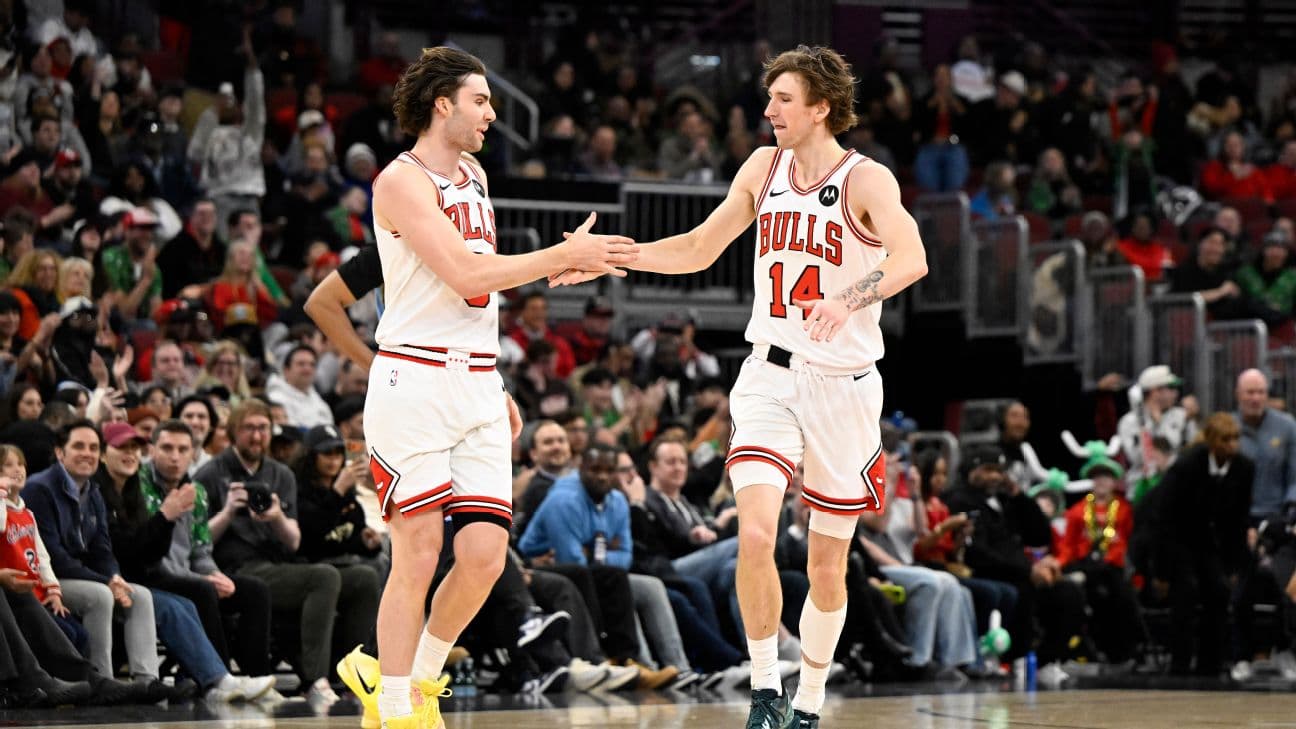
Las Vegas Summer League has given the first real look at a 2026 rookie class loaded with star potential, and the early returns are electric. No. 1 pick AJ Dybantsa looked the part for the Wizards, No. 3 pick Cameron Boozer flashed the polished two-way game that made him a top prospect for the Grizzlies, and Bulls rookie Caleb Wilson stole the weekend with a 35-point debut. For dynasty managers, this is the most important scouting window of the offseason, and the Rookie of the Year race is already taking shape.
AJ Dybantsa backs up the No. 1 pick
Dybantsa entered Summer League as the headliner and delivered, leading all players with 27 points in the Wizards' win over the Jazz. That is exactly the kind of assertive, high-usage debut a franchise wants from its top overall selection. Washington's rebuild now has a cornerstone wing to build around, and the volume he commanded suggests the ball will run through him from day one.
For dynasty fantasy, a No. 1 pick landing on a rebuilding roster is close to the ideal scenario. Bad teams give young stars minutes, shots, and the freedom to accumulate counting stats through mistakes. Dybantsa profiles as an immediate high-usage scorer, which is the foundation of fantasy value, and his landing spot only amplifies the opportunity. He is the favorite for both real-life Rookie of the Year and top-of-class dynasty value.
Cameron Boozer's polished two-way game
Boozer, the No. 3 pick, put up a rounded stat line for Memphis, contributing across scoring, rebounding, and playmaking while shooting efficiently. That well-balanced profile is the calling card that made him one of the most pro-ready prospects in the class. He does not need a huge usage rate to produce fantasy value because he fills multiple categories, the trait that dynasty managers prize most.
Boozer's fit in Memphis is worth watching. A young forward who rebounds, passes, and scores efficiently can carve out a role quickly even on a team with an established core. His floor is higher than most rookies precisely because his game does not depend on volume scoring. In category leagues, a multi-category contributor like Boozer can be more valuable than a higher-usage but narrower scorer.
Caleb Wilson steals the show
The breakout performance of the weekend belonged to Bulls rookie Caleb Wilson, the No. 4 pick, who poured in 35 points in his Summer League debut, one of the highest-scoring debuts in the event's history. He paired the scoring with newfound perimeter shooting, knocking down multiple threes, including some off the dribble. That kind of shot-making from a young forward is a genuine dynasty needle-mover.
Wilson's outburst is the type of performance that reshapes rookie rankings overnight, though managers should weight Summer League production carefully. One big game is a data point, not a projection. Still, the flashes of shooting expand his ceiling, and Chicago's roster situation could open real minutes. He vaulted himself into the Rookie of the Year conversation and into the early dynasty first round.
The rest of the class and the ROY race
The class runs deeper than the top four. No. 2 pick Darryn Peterson showed scoring pop for the Jazz even in a loss, and role players around the league flashed usable skills. The Rookie of the Year race looks like a genuine competition among Dybantsa, Peterson, Boozer, and Wilson, with landing spot and opportunity likely to be the tiebreakers as much as raw talent.
Summer League standings do not matter, but usage and role clarity do. The rookies who land the biggest on-ball roles on the weakest rosters tend to win the counting-stat battles that decide Rookie of the Year and early dynasty value. That dynamic favors Dybantsa most, with the others separated by how quickly they earn trust in their respective rotations.
The Verdexed model take
Verdexed's rookie projection model weights draft position, projected role, and team context alongside Summer League signal, and it treats Dybantsa as the class's top dynasty asset on the strength of his usage and opportunity. The model reads Boozer as the safest floor because of his multi-category profile, and it flags Wilson as the biggest riser after a debut that expanded his projected range of outcomes.
The model's broader caution is to discount Summer League scoring while respecting Summer League skills. A 35-point game is noise; newly reliable outside shooting is signal. On that basis, the framework favors Dybantsa for volume, Boozer for stability, and Wilson for the highest upside swing, with all four in the realistic Rookie of the Year mix.
What to do in your dynasty league
Rank Dybantsa at the top of your rookie board for his blend of talent and opportunity, and treat Boozer as the high-floor pick if you value category balance over raw scoring. If you can buy Wilson before his debut fully reprices him, the shooting flashes make him a worthwhile upside gamble. Temper any single-game overreaction, but do not ignore genuine skill development.
What's next
The rest of Summer League and, more importantly, the fall's rotation decisions will clarify which of these rookies gets the runway to produce. The talent at the top of this class is real, and the Rookie of the Year race is already a four-way fight. For dynasty managers, the edge is separating the flashes that will translate from the highlight-reel noise that will not.