 NFL2026-06-30
2026 Fantasy Football RB Handcuffs: The Late-Round Backups Who Win Leagues When Starters Go Down
By Verdexed Fantasy Desk
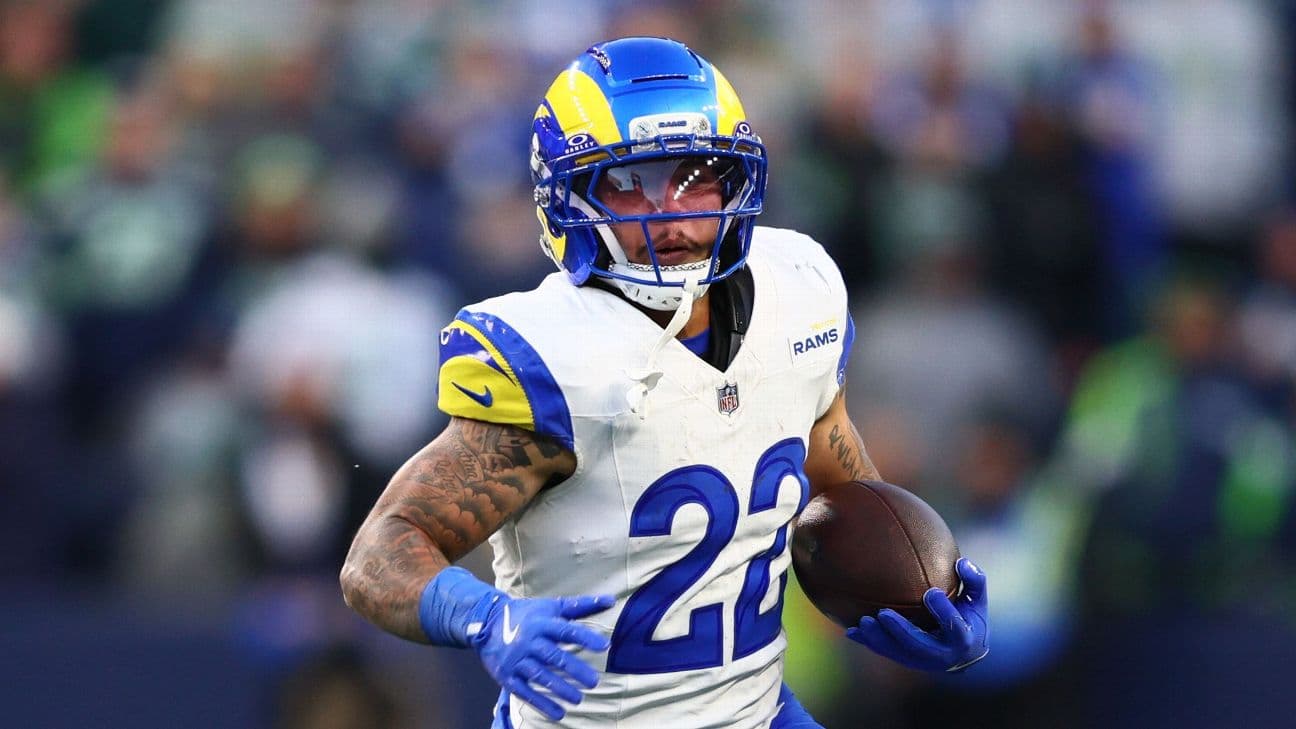
Running back is the position where seasons are made and broken, and the cheapest way to protect a fantasy roster is the handcuff. Every year a late-round backup steps into a bell-cow role because a starter goes down, and the managers who drafted that backup for almost nothing end up running their leagues. With training camps approaching, this is the window to map out which 2026 handcuffs carry the most standalone upside and which ones to prioritize on draft day.
Why handcuffs matter more than ever
The modern NFL backfield is volatile. Workhorse roles concentrate touches in one back, which is great for that player's value and catastrophic for a fantasy team when he misses time. The handcuff exists to capture that role the moment it opens. The best handcuffs share three traits: they back up a high-volume starter, they play on a team that projects to win games and run the ball, and they would inherit the full job rather than split it. When all three line up, a player who costs a final-round pick can return RB1 value for stretches of the season.
The strategy is not to roster every backup. It is to identify the handcuffs whose starters carry injury risk or heavy workloads, and to secure those specific names rather than spraying late picks across the position.
Blake Corum is the gold standard
If there is a single must-own handcuff, it is Blake Corum behind Kyren Williams in the Rams' backfield. Williams holds one of the most fantasy-friendly roles in football, a high-volume job with goal-line work in a strong offense, and Corum is the unquestioned next man up. He flashed efficiency when given carries, and the role he would inherit is pure fantasy gold. Corum is the rare handcuff worth drafting even in shallow leagues, because the value of the job he is one snap away from is that high.
The high-upside tier
Jordan James profiles as the most valuable contingent back in the league because of who he backs up. As the projected No. 2 behind Christian McCaffrey, James would step into a featured role in one of the league's best offenses, and McCaffrey's workload and injury history make that a live possibility rather than a long shot. That is exactly the risk-reward a handcuff is supposed to capture.
RJ Harvey is the clear handcuff to JK Dobbins, and the tape from games Dobbins has missed is encouraging: Harvey has shown he can carry a starter's volume and the snap share that comes with it. Tank Bigsby is the change-of-pace and insurance back behind Saquon Barkley in Philadelphia, and he checks every box a handcuff should, an efficient runner on a projected double-digit-win team where the lead role is among the most valuable in fantasy. Dylan Sampson is the pass-down and PPR-friendly piece in a Browns committee, which gives him a sliver of standalone value in full-point formats even before any injury.
How to draft them
The rule of thumb is to handcuff your own elite backs first. If you spend an early pick on a workhorse, spend a late one on his backup so that an injury does not torch your season. After that, prioritize the standalone handcuffs whose roles carry value even in a committee, and the backups to the league's highest-volume, highest-risk starters. In best-ball formats, handcuffs are even more valuable because there is no weekly start-sit decision; the backup simply scores when the starter is out.
Avoid the trap of drafting handcuffs to backs in true committees, where an injury just creates another committee rather than a bell cow. The value is in the clean, all-or-nothing roles.
The Verdexed model take
Verdexed's model values handcuffs on a simple framework: the probability the starter misses time, multiplied by the fantasy points the backup would score in that role, minus the cost of the pick. Corum scores at the very top of that equation because the role he would inherit is elite and the draft cost is minimal. James and Harvey rank highly because their starters carry real injury risk and their inherited roles are featured. The model consistently flags these contingent backs as the most efficient late-round investments on the board, because the downside is a wasted final pick and the upside is a season-altering starter.
The mistakes to avoid
The most common handcuff error is treating the strategy as roster filler rather than a targeted plan. Drafting random backups for the sake of it wastes bench spots that could hold upside swings at receiver or a streaming defense. The second mistake is handcuffing the wrong backs: a backup in a true timeshare does not inherit a bell-cow role, so the injury that should create a windfall instead creates another committee. The third is dropping a valuable handcuff too early to chase a hot waiver name, only to watch that backup explode for a different manager. Discipline is the whole game here. Hold the handcuffs whose starters carry real risk, and do not get cute with the ones whose roles would never actually pay off.
What to do in your league
Draft Blake Corum even if you do not roster Kyren Williams. Handcuff your own bell cows. And target Jordan James, RJ Harvey, and Tank Bigsby in the final rounds as the contingent backs most likely to return a starter's value. The cost is a bench spot now. The payoff, if and when a starter goes down, is the kind of in-season windfall that decides championships.