 MLB2026-08-26
The Phillies Won Nine Straight and Turned the NL East Into a Real Race
By Verdexed MLB Desk
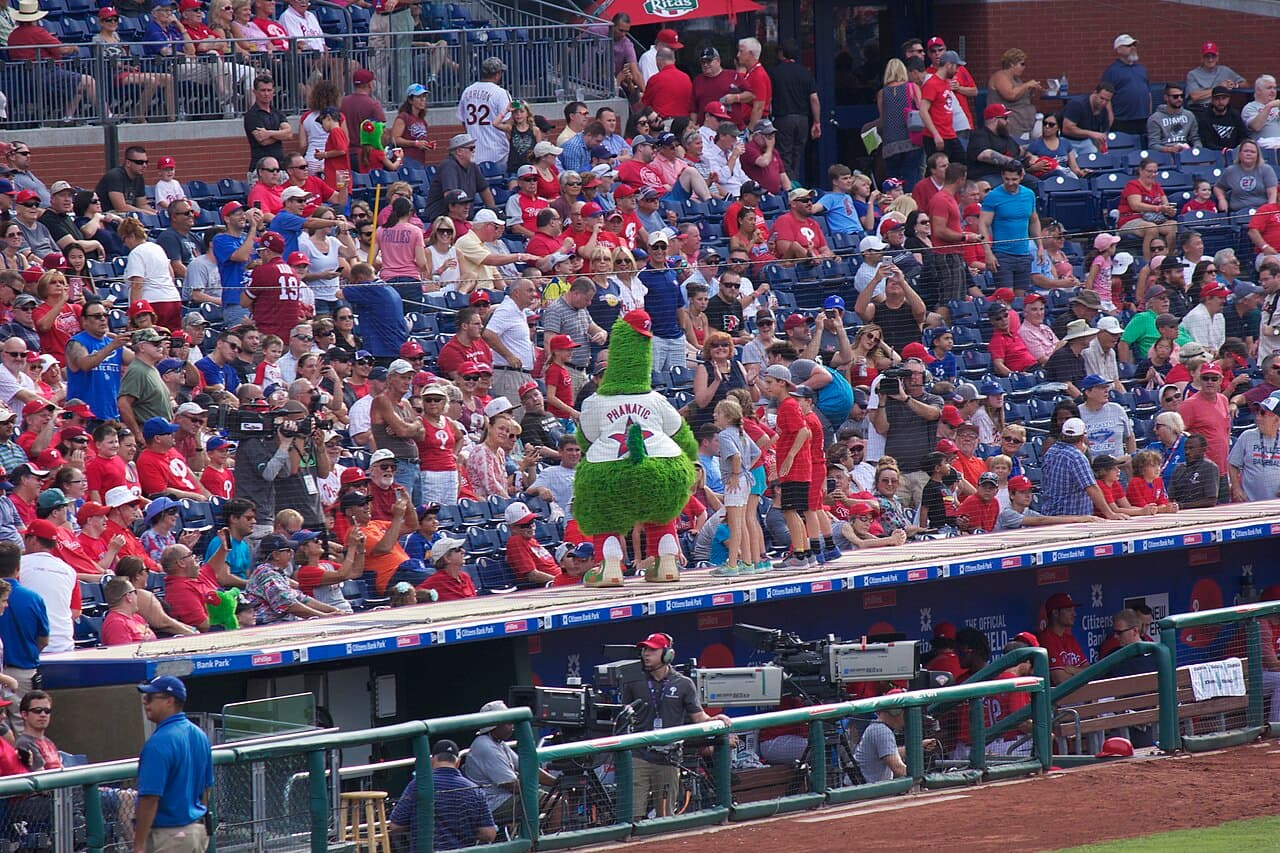
The Philadelphia Phillies ran off nine consecutive wins, the last of them a six-run bottom of the ninth against the St. Louis Cardinals that erased a four-run deficit and ended on a Kyle Schwarber walk-off two-run homer. Philadelphia sits at 73-58 and three games behind the Atlanta Braves in the National League East, a gap that was comfortable a week and a half ago and is not anymore.
A division race that looked settled in early August is now the most consequential one in baseball, because of what winning it is worth.
How the gap closed
The Phillies did the work, but Atlanta helped. The Braves have had a lackluster August, and a nine-game run by the team chasing them was more than enough to convert a cushion into a lead that has to be defended.
The manner of the ninth win is worth noting even though single games rarely mean anything. Erasing a four-run ninth-inning deficit against a closer is the kind of result that has no predictive value on its own and enormous value in a clubhouse in late August. It is also the kind of result that moves a market faster than it moves a projection system.
Philadelphia now heads out on a West Coast road trip, which is where the streak gets tested. Nine-game winning streaks almost always end against better competition or in a harder travel window, and this is both.
Why the division matters more than the wild card
The National League wild card picture has been the busier story all month, with multiple teams clustered around the final spot. But the Phillies and Braves are not fighting for a wild card berth in any realistic scenario. Both are very likely postseason teams.
What they are fighting for is the bye and the seeding that comes with winning the division, and in the current playoff format that is worth more than the difference between the second and third wild card. A division winner skips a round. A wild card team plays a three-game series against a hot opponent with its rotation exposed.
That is why a three-game gap in late August between two playoff-bound teams is more valuable to bet on than a three-game gap involving a team fighting to get in at all.
The Verdexed model take
Verdexed's season simulation reprices division odds off run differential and remaining schedule rather than off recent record, which is why a nine-game winning streak moves the model less than it moves the market. Streaks are already embedded in the underlying team quality that produced them.
What the model does respond to is the reduction in games remaining. A three-game lead with 30 games left is a fundamentally different asset than a three-game lead with 60 games left, because the number of opportunities for the trailing team to close the gap has been cut in half.
The model's current read is that Atlanta remains the favorite in the NL East, but by a smaller margin than the standings suggest, and that Philadelphia's implied probability of winning the division is higher than the market has adjusted to. The Phillies' remaining schedule and their run differential both support a team that has been better than its record for much of the summer.
The Dodgers are the other input worth naming here. Los Angeles has been on its own winning run and sits near the top of the National League, which affects the seeding math for both East teams even though it does not affect the division race directly.
The betting angle
NL East division futures are the cleanest expression. If Atlanta is still priced as a heavy favorite off a three-game lead, that is a number that has not fully accounted for how few games are left.
The second market is Philadelphia's regular-season win total, if any book still offers an adjusted number. Nine-game streaks tend to produce overshoots in win total markets in both directions, and the correction usually comes when the streak ends rather than while it is running.
Be careful with the World Series futures. Both of these teams were already priced as contenders, and a division race outcome moves seeding more than it moves championship probability. The value is in the division market, not the championship one.
The fantasy angle
Playoff-race intensity changes usage in ways that matter for the final month of head-to-head leagues.
Contending teams shorten bullpens, which concentrates high-leverage innings in fewer arms and makes the top relievers on both rosters more valuable for saves and holds. They also stop giving regulars rest days, which is a small but real positive for the counting stats of every everyday player on both clubs.
The flip side is starting pitcher workload management. Teams with a postseason berth in hand start protecting arms in the final two weeks. Teams still fighting for a division do not. That distinction is worth checking before you set a September rotation in a category league.
What to do
Buy Philadelphia in the division market if the price still reflects a three-game deficit rather than a five-week sprint. Prioritize Phillies and Braves relievers on the waiver wire in leagues where saves and holds are scored. And treat the West Coast trip as the actual test of whether this streak represented a change in the team or a hot ten days.
What's next
The head-to-head schedule between these two clubs is the swing factor, and any remaining meetings between them carry double the weight of a normal game because each one moves the gap by two. Watch the standings on the days they play each other. Everything else is noise until then.