The Phillies and Diamondbacks Decide the Last NL Playoff Spot on Sunday
By Verdexed MLB Desk
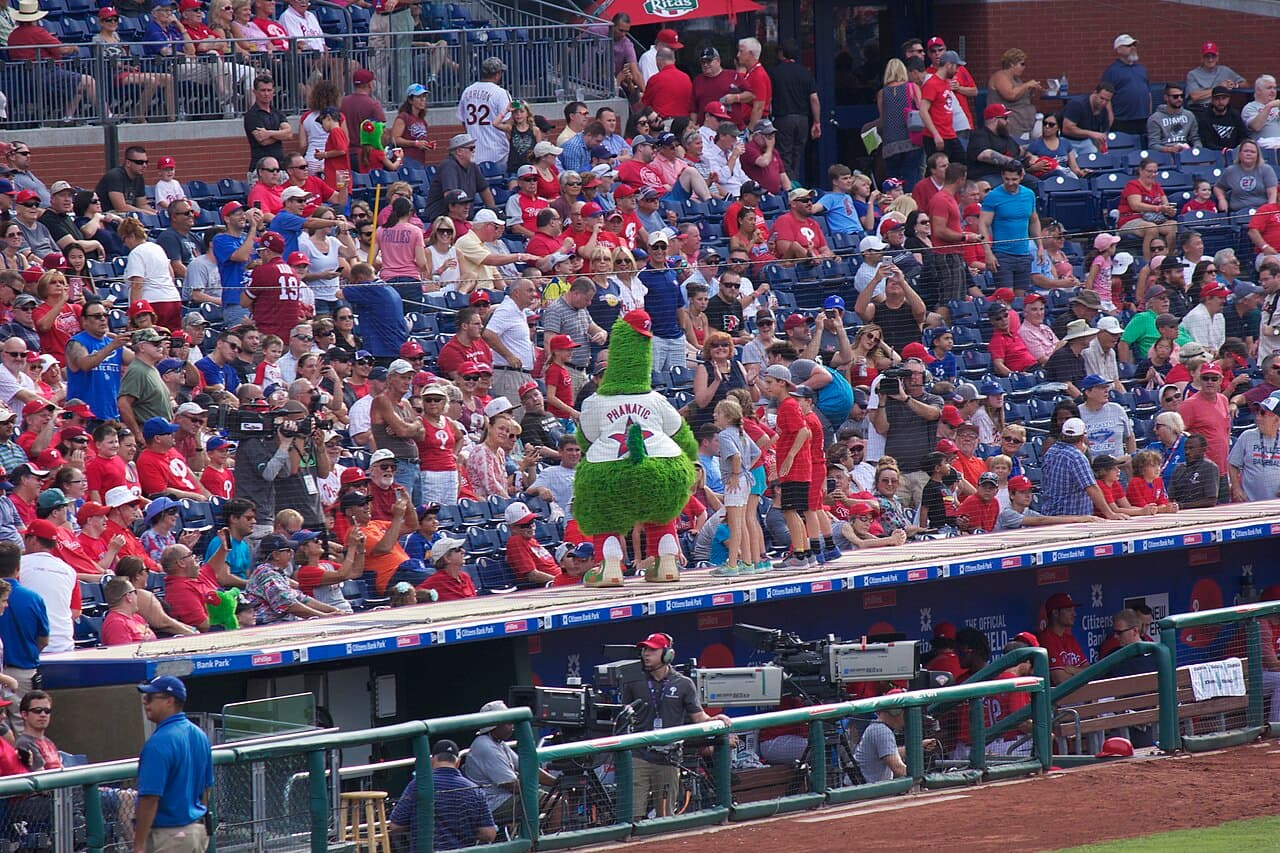
The National League's last postseason berth is still open on the final day of the regular season. Philadelphia sits at 87-73 and Arizona at 86-74, a one-game gap, and the tiebreaker belongs to the Diamondbacks. Philadelphia can end it with a win. Arizona needs to win and needs the Phillies to lose.
The Phillies play the Rays. The Diamondbacks play the Padres. Two games decide which of two teams that won more than 86 games goes to October.
How the lead got this thin
Philadelphia has lost three straight while Arizona has been surging, a combination that turned a comfortable position into a one-game lead with nothing left on the schedule. The Diamondbacks put together a long winning streak in the final stretch, and the Phillies could not answer it.
The tiebreaker situation is the detail that makes this dangerous for Philadelphia. The two teams split their season series three games apiece, which sends the tiebreaker to intradivision record, and Arizona holds that edge. There is no game 163 in the current format, so a tie is resolved on paper, and the paper says Arizona.
That is why the Phillies cannot play for a tie. A loss on Sunday combined with an Arizona win eliminates them outright.
The matchup problem for Arizona
Arizona's path requires beating San Diego, and the Padres are not playing for nothing. San Diego has already clinched the top wild card spot and home field for its series, which means the Padres could reasonably rest players and manage their staff toward Tuesday.
That is the most important handicapping input in the Arizona game. A San Diego team prioritizing October will field a lineup that looks nothing like its best, and the Diamondbacks would be facing a group of reserves and depth arms. If the Padres rest, Arizona's win probability rises substantially above what a standard team-strength comparison would suggest.
Philadelphia has the reverse situation in one sense: the Rays have their own seeding settled and little to play for. But the Phillies are the team under pressure, and pressure on the final day of a season is not a small factor for a club that just lost three in a row.
The betting angle
Two markets matter here, and they are correlated in a way that creates value.
The first is the Arizona side. If San Diego announces a reserve lineup, the posted price on the Diamondbacks is likely to be too short relative to the actual matchup, because early lines are set before lineups are known and the market does not always fully adjust. Check the San Diego lineup card before betting this game.
The second is the Philadelphia side. A team on a three-game losing streak in a must-win-or-depend-on-help spot is exactly the profile the public fades, which can push the price on the Phillies to a level that overstates their fragility. Philadelphia is the better team by record and by roster, and one bad week does not change that.
The parlay that pays is Arizona winning and Philadelphia losing, and it should be priced as two independent events that are in fact loosely correlated through nothing more than scoreboard awareness. Small edge, real edge.
The Verdexed model take
The model gives Philadelphia the strong majority of the probability, because a one-game lead with one game remaining requires the trailing team to win and the leading team to lose. Two independent events both breaking the right way is a low-probability path even when each individual event is close to a coin flip.
The model's estimate of Arizona's chance sits in the range of one in four, which is not nothing and is meaningfully higher than it would be if the Diamondbacks needed to make up a game rather than merely match and win the tiebreaker.
Beyond Sunday, the model is not impressed by either team's postseason case. Whichever of these two gets in would be the No. 6 seed, opening on the road in a best-of-three series against a team that has been playing better baseball for two months. The Padres, who won the top wild card, went 39-17 after a 50-53 start, and the Cubs led the majors in OPS. That is the level the sixth seed would need to match.
What it means for the bracket
The NL field is otherwise set. The Dodgers clinched the NL West and the No. 2 seed with a first-round bye. Milwaukee is in. San Diego holds the top wild card at the No. 4 seed with home field, and the Cubs are locked into the No. 5 seed, with those two meeting in San Diego on Tuesday.
The sixth seed travels to face the NL's top division winner in a best-of-three, which is the least enviable draw in the bracket. For a bettor filling out a bracket, the identity of that sixth seed matters less than the structural disadvantage it faces.
What's next
Watch the San Diego lineup card, which is published hours before first pitch and which effectively sets Arizona's win probability. Watch the Philadelphia lineup for whether the Phillies treat this as a must-win or as a game they can afford to manage.
For anyone playing final-day baseball, the actionable read is simple. Philadelphia is the side with the cushion and the better roster, Arizona is the side that needs a specific sequence of events, and the Padres' resting decisions are the single largest variable that neither team controls. Bet the lineups, not the standings.