The NL Wild Card Race Is a Three-Way Tie and the Cubs Own Every Tiebreaker
By Verdexed MLB Desk
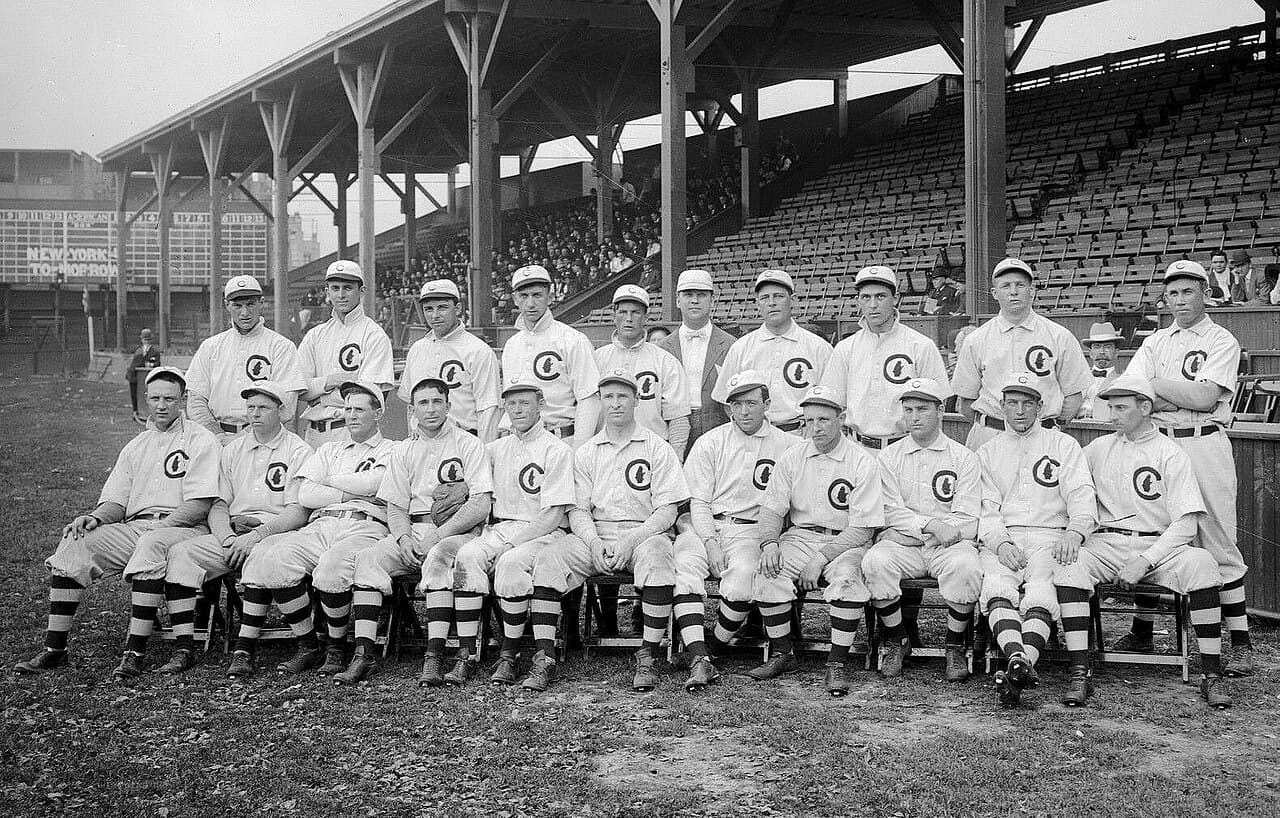
The National League wild-card race has collapsed into a three-way tie. The Cubs, Phillies and Padres all sit at 85-69 with eight games remaining, and the Diamondbacks, who were in this conversation two weeks ago, have fallen 4.5 games behind the third spot.
The tie is not as symmetrical as it looks, because tiebreakers are already decided. Chicago has clinched the head-to-head tiebreaker against Arizona, San Diego and Philadelphia, which means the Cubs hold the top wild-card spot in any scenario where the records finish level. Philadelphia lost the head-to-head to Chicago but holds it over San Diego, which would slot the Phillies second and the Padres third in a three-way tie.
That ordering is worth more than it sounds.
What each spot is actually worth
The top wild card hosts its best-of-three series. That is the prize. Home field in a three-game series is worth more than home field in a seven-game series because the entire set is played in one building, and the wild-card round is the only round where that happens.
The second and third wild cards go on the road. One of them travels to face the top wild-card team. The other travels to face the division winner with the third-best record in the league, currently Atlanta, which just clinched the NL East and projects as the No. 3 seed.
So the practical difference between finishing first and finishing third among these three teams is the difference between hosting all three games against a team you are roughly even with, and going on the road to face a division winner that spent the season proving it is better than you. The seeding is not a formality. It is most of the series.
The state of each team
**Chicago** holds every tiebreaker, which functions as roughly half a game of cushion against both rivals. The Cubs also caught a break in the most recent round of results, with Philadelphia, San Diego and Arizona all losing on the same day. A team that controls its own tiebreakers in a three-way tie is in the best position in the race by a clear margin.
**San Diego** has been the hottest of the three since Labor Day weekend, which is the kind of form that matters in an eight-game sprint even though it has almost no predictive value over a longer horizon. The Padres are playing the best baseball; they also hold the worst tiebreaker position of the three.
**Philadelphia** sits in between. Beaten by Chicago head-to-head, ahead of San Diego head-to-head. In a three-way tie the Phillies get the second spot and a road series against the top wild card rather than against the Braves, which is meaningfully the better draw.
**Arizona** is the cautionary tale. The Diamondbacks dealt with starting pitching injuries on both sides of the All-Star break and with second baseman Ketel Marte not reporting to the team in the middle of the playoff chase. At 4.5 back with eight to play, they need close to perfection plus a collapse.
The Verdexed model take
The edge in a three-way tie is almost never on the sides of individual games. It is on the futures market, and it is on the specific question of which team the market has mispriced relative to its tiebreaker position.
Most playoff-odds models handle tiebreakers correctly in the aggregate, but the betting markets that price "to make the playoffs" and "to win the division series" props do not always reflect them cleanly. Chicago's position is structurally better than 85-69 suggests, because in every simulation that ends in a tie, the Cubs win it. San Diego's is structurally worse for the same reason in reverse, despite the better recent form.
Our read is that the Padres are the team most likely to be overpriced right now, because recent results are the most visible input and a post-Labor Day run is exactly the kind of thing that moves a number. The Cubs are the team most likely to be underpriced, because a tiebreaker advantage is invisible in the standings and does not show up on a highlight package.
On individual games, the rule for the final week is to read the lineup before you read the line. All three of these teams will play their regulars every day. Their opponents may not. The teams that have clinched, including Milwaukee, Los Angeles and now Atlanta, are resting people and managing pitching workloads, and the market is slow to adjust game totals when a clinched team pulls its starter after four innings.
That asymmetry, a team with everything at stake facing a team with nothing at stake, is the most reliable source of value on the September board, and it appears multiple times in the next eight days.
The fantasy angle
If you are still playing in a head-to-head league, players on these three rosters are the safest bets on the board for the simple reason that they will play. Every game, every inning, in their normal lineup spots, with managers who cannot afford to rest anyone.
That is worth more than talent in a one-week format. A good hitter who plays nine games beats a better hitter who plays five, and in the final week of a season with this many clinched teams, plenty of better hitters are going to play five.
The corollary applies to pitching. Starters on contending teams will be pushed deeper and may be lined up for an extra start on short rest. Starters on clinched teams will be pulled early or skipped entirely. Check the probable pitchers for the final week and weight your streaming decisions by which teams are still fighting.
What's next
Eight games decide it. One of Chicago, Philadelphia and San Diego hosts a wild-card series, one travels to face the top wild card, and one travels to Atlanta.
The postseason begins September 29. Between now and then, the tiebreakers are already written, and that is the piece of information most of the market has not fully priced.