 MLB2026-08-25
The NL MVP Race Is Down to Shohei Ohtani and Pete Crow-Armstrong
By Verdexed MLB Desk
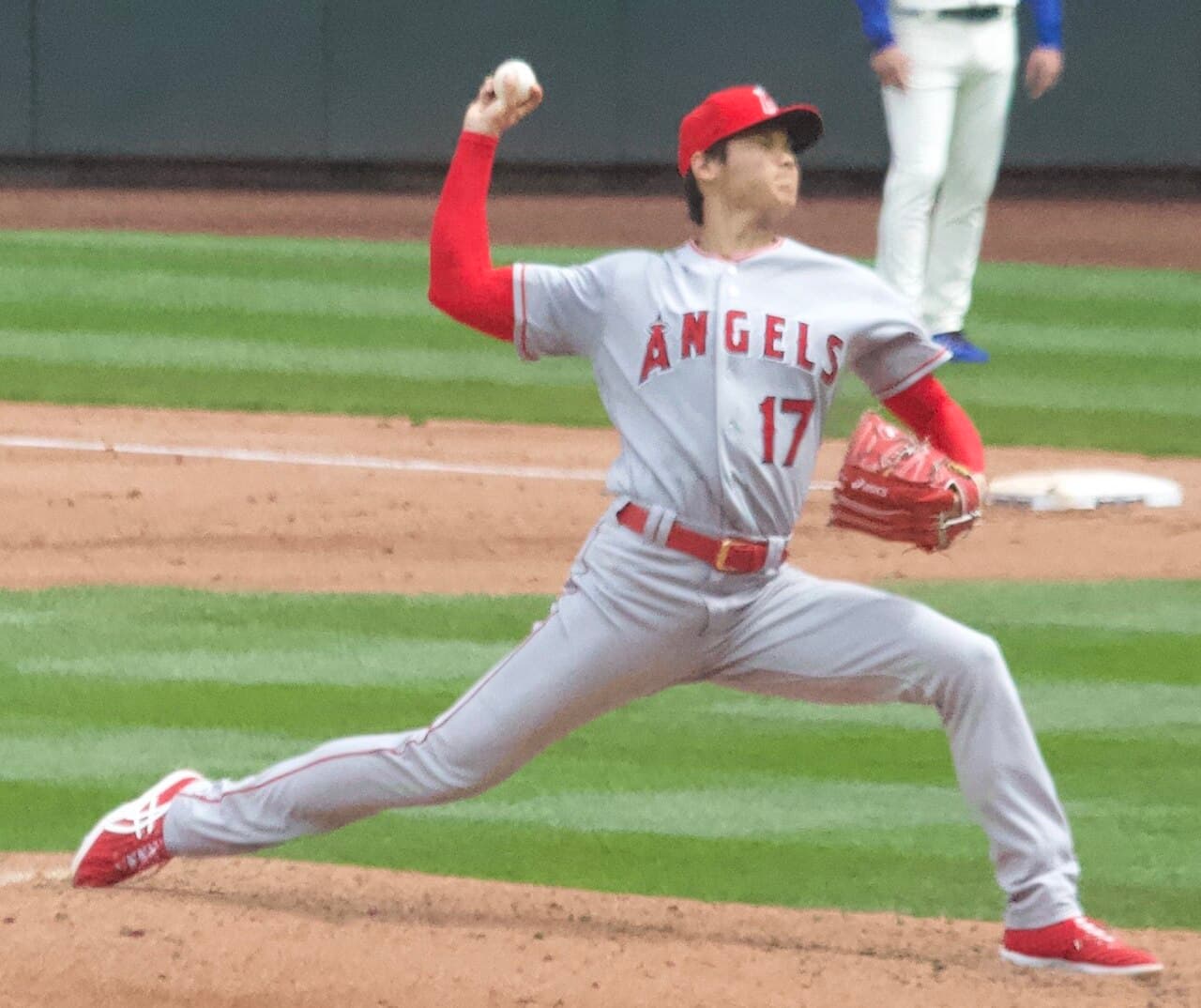
The National League MVP race has narrowed to two players, and the betting market has been flipping between them for weeks. Pete Crow-Armstrong moved to a slight favorite in the days around August 20, priced near even money with a small edge, while Shohei Ohtani sat right alongside him at roughly the same number. Neither has separated.
Both are in the middle of enormous Augusts. Ohtani has been hitting well above .400 for the month. Crow-Armstrong has been on a similar tear, stacking hits and runs at a rate that has kept him level with the reigning standard-bearer of the sport.
With roughly five weeks left, this is the rare award market where the price genuinely reflects the uncertainty rather than lagging it.
The two cases are built differently
Ohtani's case is the one voters have rewarded before, and it rests on offensive dominance plus the two-way value that no other player in the league can offer. When his rate production is this high, the counting stats follow, and the narrative writes itself.
Crow-Armstrong's case is a modern one. Elite center field defense and baserunning carry real weight in the value frameworks that most voters now consult, and a player who provides both alongside a strong offensive season can accumulate a value total that rivals a superior hitter. That is the structural reason his price is competitive rather than a distant second.
The tiebreaker is likely to be team context and the final month. Award voting still bends toward players on teams that finish strong and reach October, and both players are on clubs in the postseason picture. A collapse by either team would probably settle this faster than any individual hot streak.
The Cy Young side is already over
The National League Cy Young market has essentially closed. Jacob Misiorowski has been priced anywhere from -500 to -750 depending on the book, with Chris Sale in the +850 range and Cristopher Sanchez further back at around 11-1.
Prices that short in a pitching award market almost never offer value on the favorite, and they rarely offer value on the field either, because the gap that produced the price is usually real. The exception is injury risk. A pitcher priced at -750 in late August who then misses two starts can see his number move dramatically, which is the only realistic path to a longshot cashing here.
For bettors, the practical read is to leave the NL Cy Young alone. For fantasy managers, Misiorowski is a must-start in every remaining outing, and the more useful question is whether Milwaukee starts managing his workload with a postseason run in view. A club protecting an ace in September is a real risk to innings totals and strikeout accumulation in head-to-head playoff weeks.
The Verdexed model take
The model treats the MVP race as closer to a coin flip than the market's slight lean suggests, and it identifies one specific inefficiency: the market is underweighting the probability that a third player emerges.
That has happened before in seasons where two candidates split the narrative and a third player finishes with a monster September. The model's simulations produce a meaningful, if minority, share of outcomes in which neither Ohtani nor Crow-Armstrong wins. At the prices currently available on the rest of the field, small positions on the two or three next-best candidates carry positive expected value even though each individual ticket is unlikely to hit.
Between the two favorites themselves, the model marginally prefers Ohtani, because offensive rate production has historically been the more reliable predictor of the actual vote than composite value, and because his floor over five weeks is higher.
The stronger model edge is not in the award market at all. It is in the daily game markets involving both teams down the stretch. Contending clubs with a single dominant offensive engine tend to see their team totals overpriced in September as public money follows the MVP narrative. Fading those inflated totals in unfavorable park and pitching matchups has been a repeatable edge, and it is the way the model prefers to trade this story.
What it means for fantasy
Both players are already rostered in every league that matters, so the actionable piece is roster management rather than acquisition.
In head-to-head playoff formats, Ohtani's two-way usage is a scheduling consideration. Know which days he is pitching and how that affects your position eligibility and your innings limits before your playoff matchup starts, not during it.
Crow-Armstrong's fantasy value is concentrated in categories that are volatile week to week. Stolen bases and runs scored depend heavily on lineup context and on whether he is getting on base. In a one-week playoff matchup, that is a higher-variance asset than his season line suggests. Managers with a choice should be aware they are taking on that variance.
Misiorowski is the highest-leverage start on any staff. Build your playoff rotation around his two-start weeks if the schedule offers one.
What is next
The final five weeks of head-to-head games and the postseason races will do most of the work. Watch for the first sign that either team has clinched or been eliminated, because voters treat meaningful September at-bats differently from meaningless ones and prices move accordingly.
The other date to note is the end of the regular season itself. Award markets stay open through the announcement in November, but the liquidity and the good prices disappear the moment the last game is played. Anyone taking a position on this race should do it while the outcome is still in doubt.